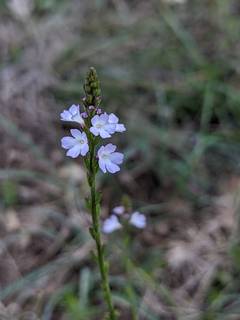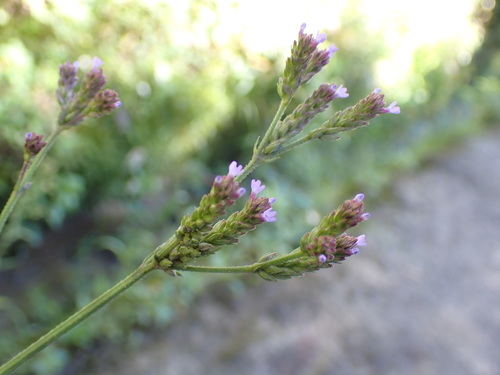
Verbena, Genus, spp., Multiple species,
- Genus
- Multiple species
vervains
Mainly the Americas, with some species in the Old World
Overview
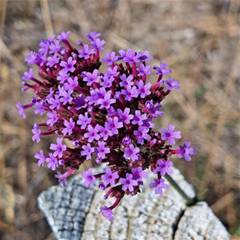
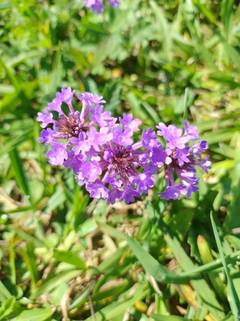
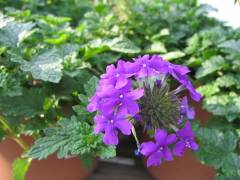
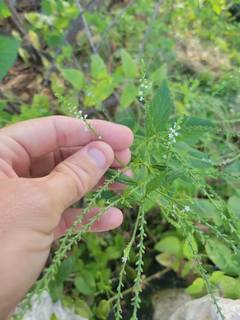
Verbena is a genus of about 150 species of annual and perennial herbs and subshrubs in the family Verbenaceae, native mainly to the Americas with a few species in the Old World. The genus ranges from low, trailing plants such as V. canadensis to tall, airy uprights such as V. bonariensis reaching 4 to 6 feet (1.2 to 1.8 m). Stems are typically square and rough, carrying opposite, toothed or dissected leaves 1 to 4 inches (2.5 to 10 cm) long. Small five-lobed flowers are packed into flat or spike-like clusters at the stem tips, in purple, violet, pink, red, blue, and white, often over many weeks from summer into autumn. Many species and hybrids bloom continuously if sheared, drawing butterflies and bees. The trailing bedding types are prone to powdery mildew and spider mites in hot, dry sites, and several perennial species are short-lived, persisting through self-sown seedlings rather than long-lived crowns.
Native Range
Verbena is centered on the Americas, ranging from Canada through the United States, Mexico, and Central America into South America, with a smaller number of species native to Europe and Asia. North American natives such as V. hastata and V. stricta grow in prairies, meadows, and wet ground.Suggested Uses
Verbenas are grown in borders, containers, hanging baskets, and wildlife plantings, with trailing types spaced 12 to 18 inches (30 to 45 cm) apart and tall species woven through mixed borders. The long bloom and flat flower heads draw butterflies, bees, and hummingbirds. The tall airy species are used to add height without hiding the plants behind them.How to Identify
Appearance
Size & Dimensions
Height6" - 6'
Width/Spread1' - 3'
Bloom Information
Most Verbena flower from early summer until frost, often blooming for 12 weeks or more where spent heads are sheared off. The tall species carry flowers in branched clusters held well above the foliage, while the bedding types form low sheets of bloom. In mild-winter regions some species flower nearly year-round.
Detailed Descriptions
Flower Description
purple, violet, pink, red, blue, or whiteFoliage Description
greenGrowing Conditions
Sun Requirements
Requires 6-8 hours of direct sunlight daily
• Full Sun: 6+ hours of direct sunlight
• Partial Shade: 3-6 hours of direct sunlight
• Full Shade: Less than 3 hours of direct sunlight
Care & Maintenance
Care Guide
Most Verbena grow in full sun on well-drained soil at pH 6.0 to 7.5 and tolerate heat and drought once established, though they flower poorly and rot in wet or shaded sites. The perennial species are hardy in USDA zones 7 and warmer and are often grown as annuals in colder regions. Water moderately, as overwatering and crowding encourage powdery mildew, the most common problem in the genus. Shear plants by about one-third after each flush to keep new flowers forming. Good air circulation reduces mildew and mite damage in hot weather. Many species self-sow, replacing short-lived parent plants with seedlings.Pruning
Shear Verbena by one-third after each flush of bloom fades to remove spent heads and prompt repeat flowering. Cut perennial species back to the base in late winter before new growth begins. Trailing bedding types can be trimmed at any time to control spread.Pruning Schedule
Prune: July
summer
Container Growing
Suitable for container growing
Minimum container size: 2 gallons