Image 1 of 16
1 / 16
Plant Reference
Verbena, Genus, bonariensis, Species,
- Genus & species
tall verbena, Brazilian verbena
South America — Argentina (Buenos Aires region), southern Brazil, and Uruguay; moist grasslands and disturbed ground
Overview
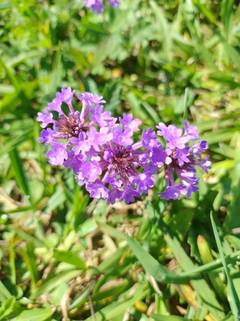
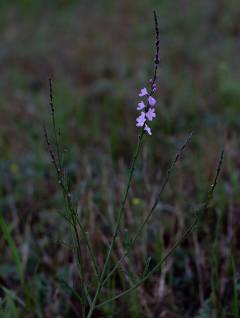
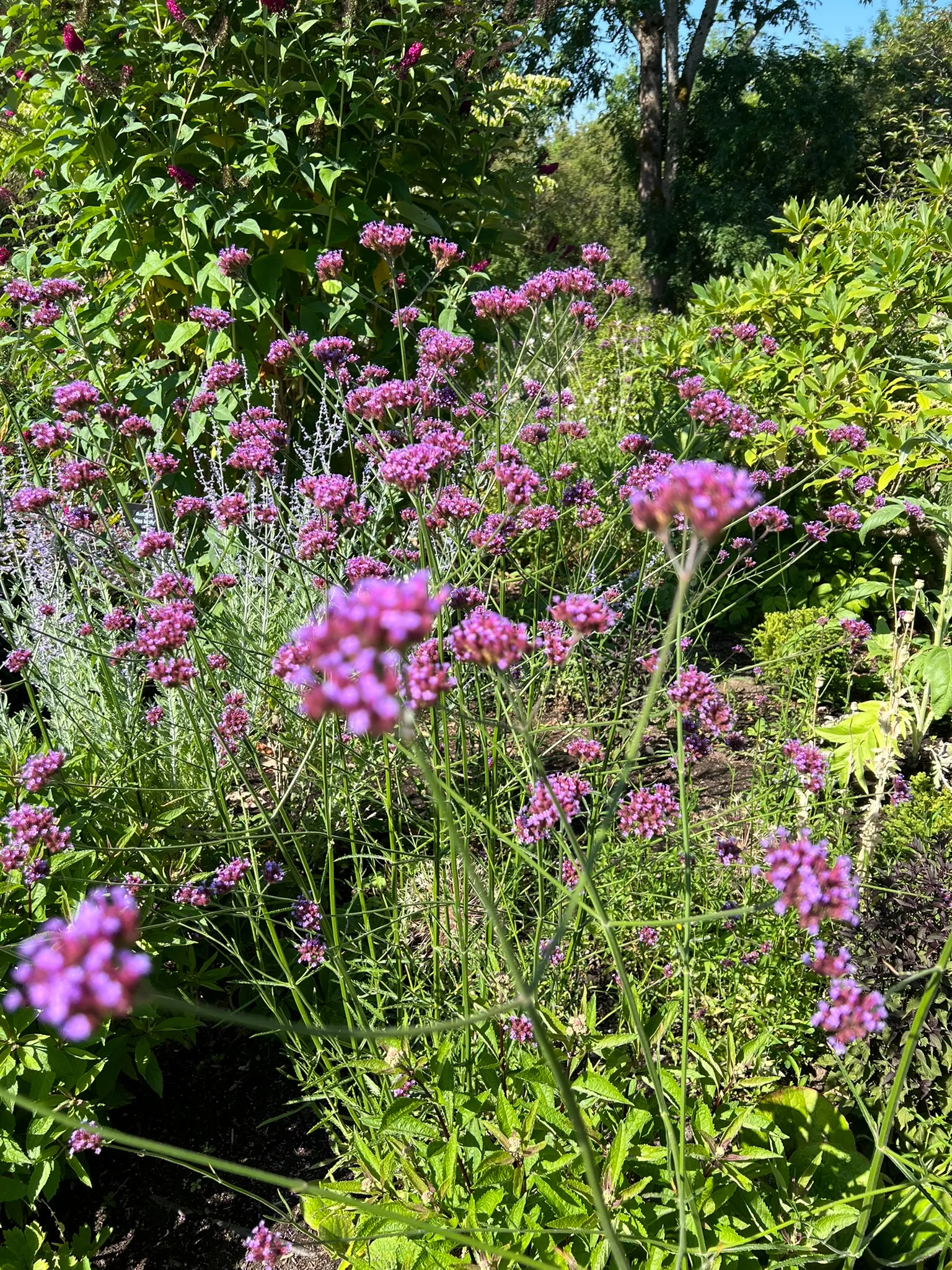
Verbena bonariensis is tall verbena (Brazilian verbena), a short-lived perennial or vigorous self-sowing annual growing 36-72 inches (90-180 cm / 3-6 feet) tall and 18-24 inches (45-60 cm) wide. Violet-purple flat-topped flower clusters 2-3 inches (5-7 cm) on nearly leafless wiry stems from June through frost — 18-20 weeks of continuous bloom. The nearly leafless wiry stems create a 'see-through' effect: the flower clusters appear to float above surrounding plants. Dark green coarsely toothed lance-shaped basal foliage — the stems above are nearly bare. In the vervain family (Verbenaceae). The species name 'bonariensis' references Buenos Aires. A defining plant of the New Perennial movement (Piet Oudolf, naturalistic planting school). Short-lived perennial in zones 7-10 — maintains itself through prolific self-seeding (treat as a self-sowing annual in zones 5-6). Classified as invasive in Australia, New Zealand, and South Africa — not invasive in the Pacific Northwest. Butterfly nectar source (monarchs, painted ladies, swallowtails). Goldfinches feed on the seeds. Non-toxic. Deer-resistant. Drought-tolerant. Full sun. Zones 7-10. Growth rate is fast.
Native Range
Native to South America — Argentina (Buenos Aires region), southern Brazil, and Uruguay, growing in moist grasslands and disturbed ground.Suggested Uses
Planted in borders and naturalistic plantings in zones 7-10. The 'see-through' floating violet flower clusters. Butterfly nectar source. Self-seeds. Invasive outside North America and Europe. Non-toxic. Deer-resistant.How to Identify
Appearance
Size & Dimensions
Height3' - 6'
Width/Spread1'6" - 2'
Bloom Information
Detailed Descriptions
Flower Description
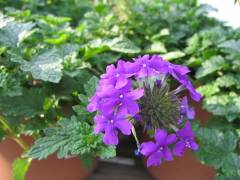
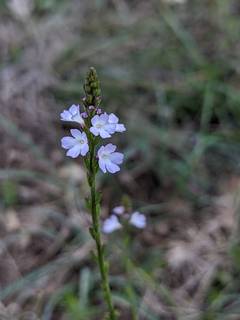
Violet-purple; tiny 5-petaled flowers in dense flat-topped clusters 2-3 inches (5-7 cm) at wiry stem tips; continuous June through frostFoliage Description
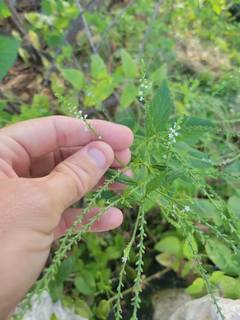
Dark green, coarsely toothed, lance-shaped, rough-textured; sparse basal rosette — stems are nearly leafless and wiryGrowing Conditions
Sun Requirements
Requires 6-10 hours of direct sunlight daily
• Full Sun: 6+ hours of direct sunlight
• Partial Shade: 3-6 hours of direct sunlight
• Full Shade: Less than 3 hours of direct sunlight
Care & Maintenance
Care Guide
Full sun. Well-drained soil. Self-seeds freely — thin seedlings to 12-18 inches (30-45 cm). Short-lived perennial (zone 7+) or self-sowing annual. Invasive in Australia/NZ/South Africa. Butterfly nectar source. Non-toxic. Deer-resistant. Drought-tolerant. Zones 7-10.Pruning
Cut previous year's stems to the ground in early spring (March). No deadheading (self-seeds for colony replacement). Thin self-sown seedlings to 12-18 inches (30-45 cm). Deadhead only to limit spread.Pruning Schedule
Prune: March
early spring