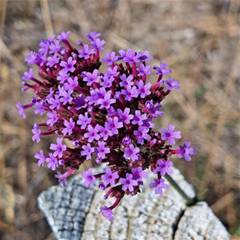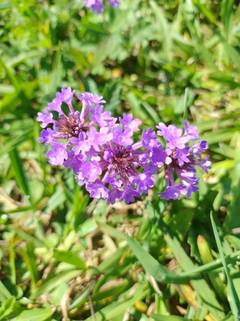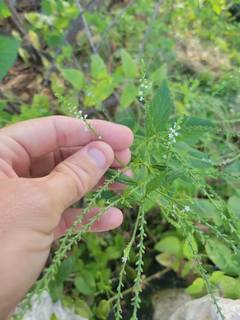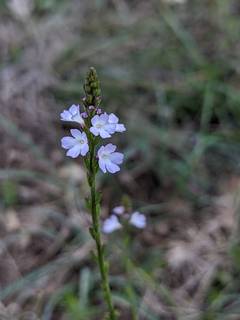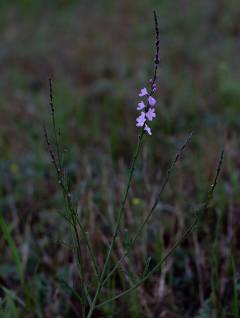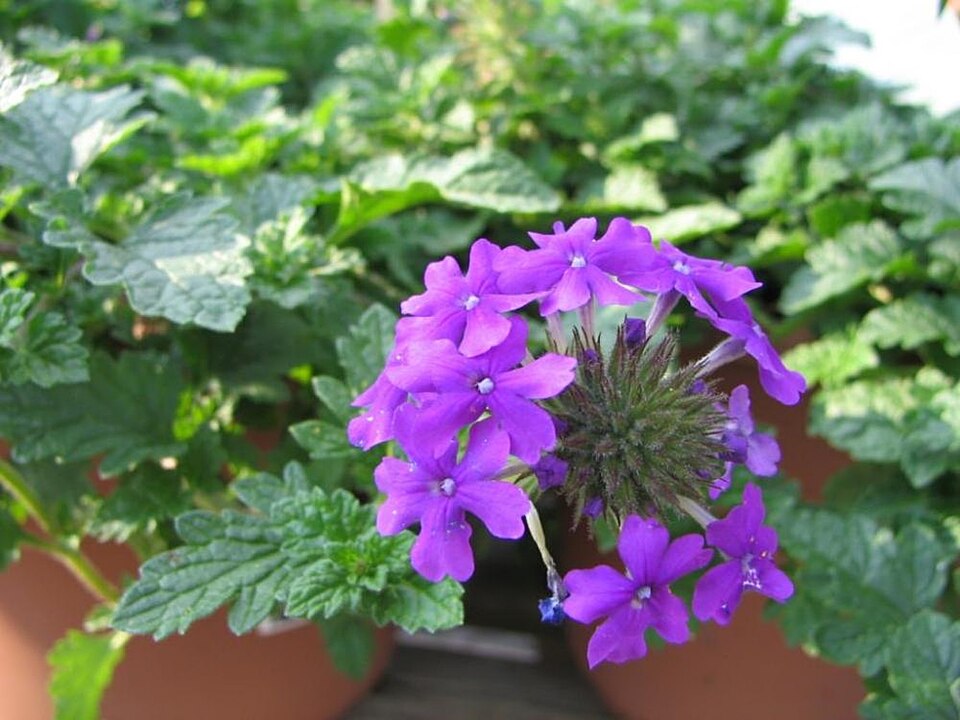
Verbena, Genus, canadensis, Species, 'Homestead Purple', Cultivar,
- Genus & species
- Cultivar
verbena purple homestead
Overview
Verbena canadensis 'Homestead Purple' is a low-spreading herbaceous perennial reaching 8-12 inches (20-30 cm) tall and 24-36 inches (60-90 cm) wide. Stems are square, branching, and root at nodes where they touch soil, forming a dense mat. Leaves are 1-2 inches (2.5-5 cm) long, opposite, deeply lobed and toothed, dark green and slightly hairy. Flat-topped clusters of small five-petaled flowers 0.5 inch (1.3 cm) across produce a dense flowering canopy in deep magenta-purple, blooming from May through October in zones 7-9 and from June through frost in zones 6 and below. Total bloom period spans 16-24 weeks with regular deadheading. Powdery mildew develops on foliage in humid summers and during cool wet weather; mildew is cosmetic but reduces vigor in repeated severe outbreaks. Hardy through zone 7 with mulch protection; treated as an annual or self-seeding tender perennial in zones 5-6. Selected from a Georgia roadside and introduced by Goodness Grows Nursery and the University of Georgia in 1992. Spreads 12-18 inches (30-45 cm) per season; older centers thin and respond to spring division.
Native Range
The species Verbena canadensis is native to the southeastern United States from Virginia and Tennessee south to Florida and west to Texas, growing on dry sandy soils, prairies, roadsides, and open woodlands. 'Homestead Purple' is a wild-collected selection from a Georgia roadside, introduced commercially in 1992.Suggested Uses
Used in front-of-border plantings, hanging baskets, large containers of at least 3 gallons (11 L), and spilling over walls or rock garden edges spaced 24-30 inches (60-75 cm) apart. Suits sunny, dry-summer climates and Mediterranean-style gardens. Combined with ornamental grasses and sun-loving perennials in mass plantings; the spreading habit covers 6-9 square feet (0.6-0.8 sq m) within a single growing season.How to Identify
Appearance
Size & Dimensions
Height8" - 1'
Width/Spread2' - 3'
Bloom Information
May through October in zones 7-9, peaking in late spring and again in early fall; flowering pauses during peak summer heat above 95°F (35°C). In zones 6 and below, bloom begins in June and continues until frost. Individual flower clusters last 7-14 days; total flowering covers 16-24 weeks with deadheading.
Detailed Descriptions
Foliage Description
Dark greenGrowing Conditions
Sun Requirements
Requires 6-10 hours of direct sunlight daily
• Full Sun: 6+ hours of direct sunlight
• Partial Shade: 3-6 hours of direct sunlight
• Full Shade: Less than 3 hours of direct sunlight
Care & Maintenance
Care Guide
Water weekly during the first growing season with 2-4 gallons (7.5-15 L) per session in the absence of rain. Established plants tolerate 3-4 weeks without rain and continue flowering during drought when soils are well-drained. Crown rot develops on continuously wet soils, particularly in winter; raised beds and amended sandy loam reduce risk in zones 7 and below. Powdery mildew appears as a white film on leaves in humid summers; reducing overhead irrigation and spacing plants 24-30 inches (60-75 cm) apart improves air circulation. Spider mites colonize foliage in hot dry summers, producing yellow stippling and webbing on leaf undersides; strong water sprays every 2-3 days reduce populations. A light trim with shears every 4-6 weeks during the bloom season triggers a second flush and removes spent flower clusters.Pruning
Light trim with shears every 4-6 weeks during the bloom season removes spent flowers and triggers new flushes; remove 2-3 inches (5-7.5 cm) of stem tip with each shearing. Spring cutback to 2-3 inches (5-7.5 cm) above ground level in late winter rejuvenates older plants and removes winter-damaged stems. Plants left untrimmed develop bare centers within 2-3 years.Pruning Schedule
Prune: February–March
winterearly spring
Container Growing
Suitable for container growing
Minimum container size: 3 gallons