Verbascum, Genus, spp., Multiple species,
- Genus
- Multiple species
mulleins
Europe, North Africa, and temperate Asia
Overview
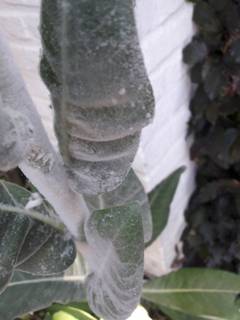
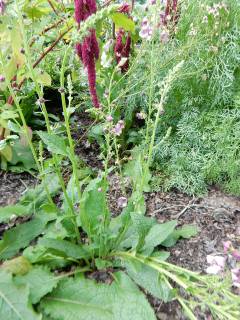
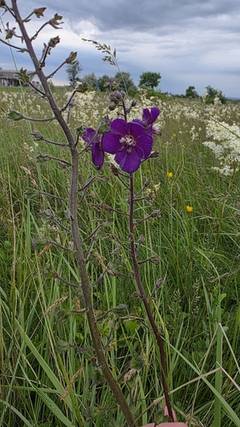
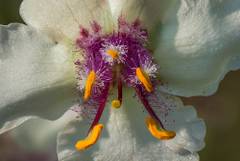
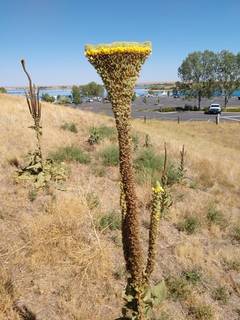
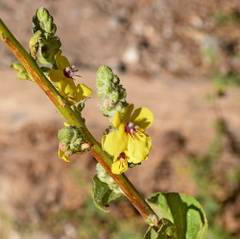
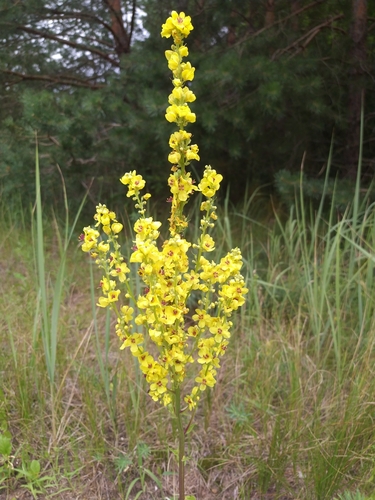
Verbascum is a genus of about 360 species of biennial and perennial herbs, with a few annuals, in the figwort family, Scrophulariaceae, known as mulleins. In the first year most species form a flat rosette of large, often felt-textured leaves 4 to 18 inches (10 to 45 cm) long, and in the second year they send up a stout, usually unbranched flower spike 2 to 8 feet (0.6 to 2.4 m) tall. The leaves are coated in dense star-shaped hairs in many species, giving a gray-green, woolly surface. Flowers are five-lobed and saucer-shaped, 0.5 to 1.5 inches (1 to 4 cm) across, packed along the spike and opening a few at a time from the base upward over many weeks, most often yellow but also white, pink, purple, or copper. Each flower lasts a single day. Verbascum is native to Europe, North Africa, and temperate Asia, with the greatest diversity in the eastern Mediterranean and Turkey, and grows in dry, open, sunny ground such as banks, pastures, roadsides, and waste places. Common mullein (V. thapsus) has naturalized widely across North America and is a colonizer of disturbed soil. Plants set large amounts of seed that stays viable in the soil for decades.
Native Range
Verbascum is native to Europe, North Africa, and temperate and western Asia, with its center of diversity in the eastern Mediterranean and Anatolia. Plants grow in dry, sunny, open habitats including rocky slopes, grassland, riverbanks, field margins, and disturbed or waste ground.Suggested Uses
Verbascum is planted for vertical accent in dry borders, gravel and Mediterranean gardens, and naturalistic meadows, spaced 18 to 24 inches (45 to 60 cm) apart. Silvery-leaved species are grown as much for the winter rosette as for the bloom. The flowers feed bees and the standing seed spikes provide food for finches and winter structure.How to Identify
Appearance
Size & Dimensions
Height1' - 8'
Width/Spread1' - 3'
Bloom Information
Verbascum blooms from early summer into early autumn, generally June through September, with flowers opening progressively up the spike. Each saucer-shaped flower lasts only one day, but the long spike holds color over six to ten weeks as new buds open above the spent ones. Bees and hoverflies gather the pollen. Cutting the main spike as it fades often prompts side spikes that extend bloom.
Detailed Descriptions
Flower Description
yellow, white, pink, purple, or copperFoliage Description
gray-green to green, woolly in many speciesGrowing Conditions
Sun Requirements
Requires 6-12 hours of direct sunlight daily
• Full Sun: 6+ hours of direct sunlight
• Partial Shade: 3-6 hours of direct sunlight
• Full Shade: Less than 3 hours of direct sunlight
Care & Maintenance
Care Guide
Verbascum grows in full sun and lean, sharply drained soil across a wide pH range of 5.5 to 8.0, tolerating drought, poor fertility, gravel, and chalk once the deep taproot forms. Rich, moist, or shaded sites cause soft growth, rot, and short life. Most species are cold hardy to USDA zone 4 or 5, and many biennials and short-lived perennials persist by self-sowing. Mullein moth caterpillars can strip the leaves, and crown rot follows wet winters in heavy soil. Plants transplant poorly once the taproot is established. Removing spent spikes before seed sets limits self-sowing of the weedier species.Pruning
Cutting the main flower spike of Verbascum once it fades encourages a flush of smaller side spikes and prevents heavy self-seeding. Faded biennial plants are pulled after they set seed, while perennial species are cut to the basal rosette in autumn. The rosette is left in place over winter.Pruning Schedule
Prune: August–September
summerfall