Verbascum, Genus, olympicum, Species,
- Genus & species
olympic mullein
Native to Europe (Greece, Turkey) and western Asia where the species grows on rocky slopes and dry meadows in the eastern Mediterranean from sea level to approximately 6,500 ft (2,000 m); the elevated-altitude origin and the Mediterranean climate of the native range together account for the species' tolerance of poor dry alkaline rocky soils and intolerance of wet winter conditions; among the more drought-tolerant garden biennials available for hot dry positions in temperate gardens
Overview
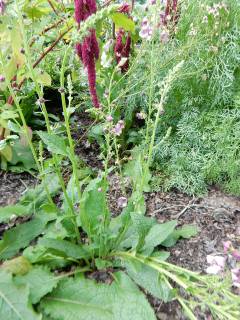
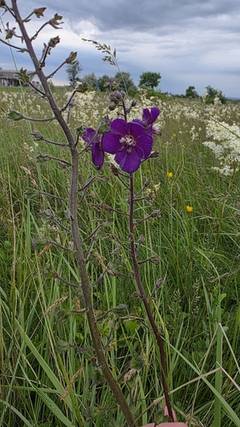
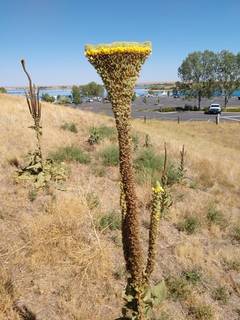
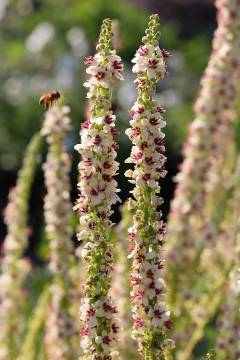
Verbascum olympicum is Olympic mullein (Greek mullein), a biennial (sometimes short-lived monocarpic perennial) in the figwort family (Scrophulariaceae) forming a silver-white densely woolly basal rosette 12-18 inches (30-45 cm) tall in the first year. In the second year, branched candelabra-like flower spikes rise to 60-96 inches (150-240 cm / 5-8 feet) tall carrying bright yellow 5-petaled flowers 1 inch (2.5 cm) in diameter. Silver-white densely woolly (tomentose) oblong to spatulate basal leaves are 12-18 inches (30-45 cm) long. The tallest commonly grown Verbascum species. Biennial: forms a basal rosette in year 1, sends up the flowering candelabra in year 2, then dies after setting seed. Self-sows readily — leave one stalk to set seed for replacement plants. Tolerates poor dry alkaline and rocky soils — among the more drought-tolerant garden biennials available for hot dry positions. Does not tolerate wet winter soil — crown rot in poorly drained sites is the primary limitation; the species requires sharp drainage. Native to rocky slopes and dry meadows in Greece, Turkey, and western Asia. Zones 5-9. Deer-resistant. Non-toxic. Full sun. Growth rate is moderate (year 1) to fast (year 2 flowering spike).
Native Range
Native to Europe (Greece, Turkey) and western Asia. Found on rocky slopes and dry meadows in the eastern Mediterranean.Suggested Uses
Grown in dry gardens, gravel gardens, Mediterranean-style plantings, and naturalized meadows. The tallest Verbascum species — candelabra spikes 5-8 feet (150-240 cm). Tolerates poor dry alkaline soil. Self-sows readily. Deer-resistant. Non-toxic. Biennial for zones 5-9.How to Identify
Appearance
Size & Dimensions
Height5' - 8'
Width/Spread2' - 3'
Bloom Information
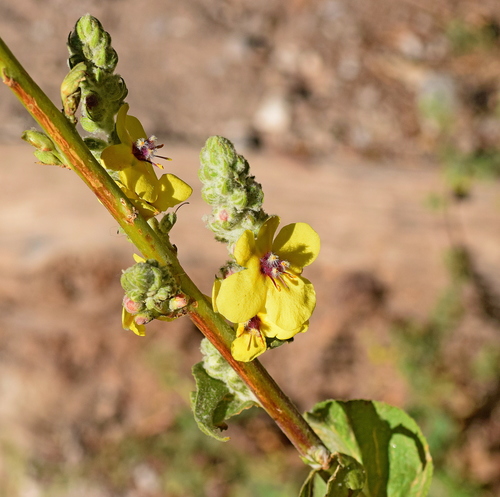
Summer (June-August). Bright yellow 5-petaled flowers 1 inch (2.5 cm) on branched candelabra-like spikes across a 5-week bloom window. Bee-pollinated. Second-year bloom only since the species is biennial.
Detailed Descriptions
Flower Description
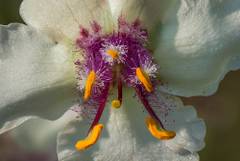
Bright yellow 5-petaled flowers 1 inch (2.5 cm) in diameter clustered along branched candelabra-like flower spikes that rise 60-96 inches (150-240 cm / 5-8 feet) tall in the second yearFoliage Description
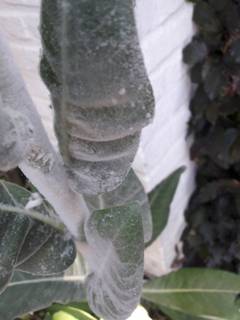
Silver-white densely woolly (tomentose) basal rosette leaves 12-18 inches (30-45 cm) long, oblong to spatulate; the silver tomentose surface is the visual feature the species is known for in the first-year rosetteGrowing Conditions
Sun Requirements
Requires 6-12 hours of direct sunlight daily
• Full Sun: 6+ hours of direct sunlight
• Partial Shade: 3-6 hours of direct sunlight
• Full Shade: Less than 3 hours of direct sunlight
Care & Maintenance
Care Guide
Full sun (6+ hours). Well-drained to dry soil at pH 6.5-8.0 — the species tolerates poor alkaline and rocky soils. No fertilization needed. Crown rot develops in wet winter soil — sharp drainage is required. Biennial: dies after flowering and seeding. Self-sows readily. Deer-resistant. Drought-tolerant once established. Non-toxic. Zones 5-9.Pruning
Cut the main flower stalk after bloom to encourage lateral branching. Leave one stalk to set seed for self-sowing replacement plants. Remove the spent biennial in late fall or early spring. Cut back the dead rosette in early spring before new seedlings emerge from the previous year's seed shed.Pruning Schedule
Prune: February–March
early spring