Vaccinium, Genus, spp., Multiple species,
- Genus
- Multiple species
blueberries, cranberries, and allies
Northern Hemisphere and tropical mountains
Overview
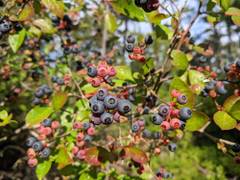
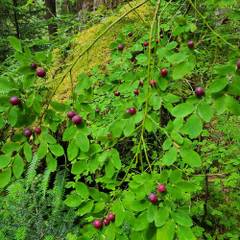
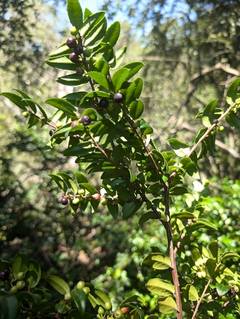
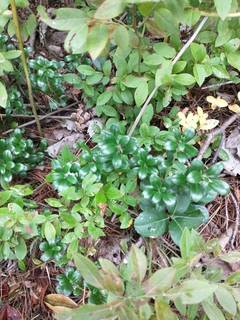
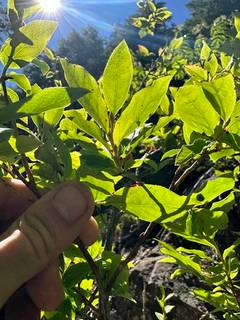
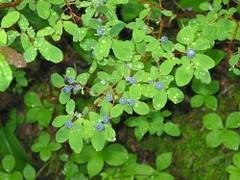
Vaccinium is a genus of about 450 species of deciduous and evergreen shrubs, with a few small trees and vines, in the heath family, Ericaceae. The genus spans the cooler regions of the Northern Hemisphere and extends along tropical mountain ranges. It includes blueberry, cranberry, bilberry, huckleberry, and lingonberry. Plants range from low, creeping mats under 30 cm (12 in) tall, such as the cranberries, to upright shrubs over 3 m (10 ft), such as highbush blueberry. Leaves are simple and alternate, 1–8 cm (0.4–3 in) long, and many deciduous species turn red or bronze in autumn. The flowers are small, urn- or bell-shaped, 5–10 mm (0.2–0.4 in) long, white to pink, and hang in clusters that draw bees. Each is followed by a fleshy berry in blue, black, or red, 5–15 mm (0.2–0.6 in) across, many of them edible. Nearly all species require acidic soil, generally a pH of 4.0 to 5.5, and decline in neutral or alkaline ground, which limits where they can be grown.
Native Range
The genus is widespread across the Northern Hemisphere, from the Arctic through North America, Europe, and Asia, with additional species on tropical mountains in Central and South America, Africa, and Southeast Asia. Centers of diversity occur in eastern Asia and the Americas.Suggested Uses
Grown for edible fruit in gardens and on a field scale, and used ornamentally for spring flowers, autumn leaf color, and evergreen groundcover in the low species. Acid-soil and woodland gardens suit the genus. The strict need for acidic soil limits use in regions with alkaline ground unless beds are amended.How to Identify
Appearance
Size & Dimensions
Height6" - 12'
Width/Spread1' - 6'
Bloom Information
Flowering occurs in spring, broadly April to June depending on species and climate, with the urn-shaped flowers appearing as or just after new leaves emerge. Bees are the main pollinators, and good fruit set depends on their activity. Berries ripen through summer into early autumn.
Detailed Descriptions
Flower Description
white to pinkFoliage Description
greenGrowing Conditions
Sun Requirements
Requires 4-8 hours of direct sunlight daily
• Full Sun: 6+ hours of direct sunlight
• Partial Shade: 3-6 hours of direct sunlight
• Full Shade: Less than 3 hours of direct sunlight
Care & Maintenance
Care Guide
Nearly all species require moist, acidic soil with a pH of 4.0 to 5.5 and high organic matter, and they fail in alkaline ground where iron becomes unavailable. Most grow in full sun to part shade, fruiting more heavily in sun. The shallow roots need steady moisture and a mulch, as the plants dry out quickly in drought. Hardiness spans USDA zones 2–8 across the genus, with many species adapted to cold northern climates. Soil drainage matters even though the plants need moisture, since waterlogged roots rot. Acidifying amendments are often needed where native soil is not naturally acid.Pruning
Removing the oldest canes of upright species in late winter renews the shrub and improves fruiting on younger wood. Cranberry and other creeping species need little pruning beyond trimming wayward runners. Shearing evergreen species lightly after flowering keeps them dense.Pruning Schedule
Prune: February–March
winterearly spring
Container Growing
Suitable for container growing
Minimum container size: 5 gallons