Typha, Genus, spp., Multiple species,
- Genus
- Multiple species
cattails
Overview
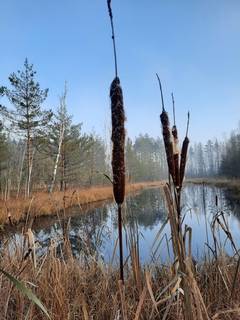
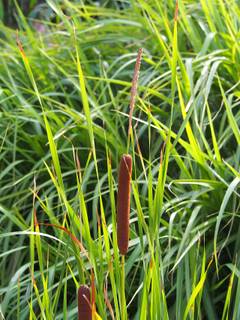
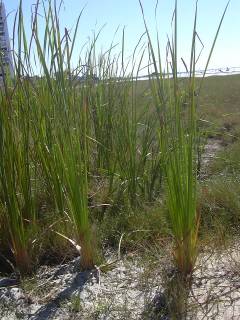
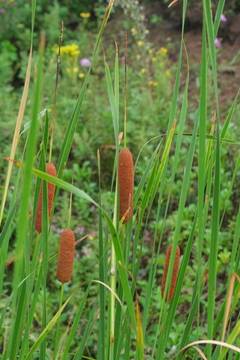
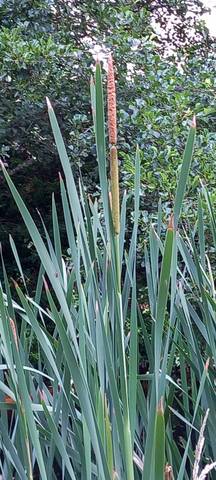
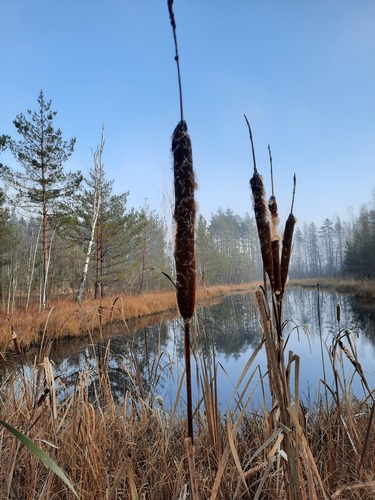
Typha is a genus of about 30 species of tall, rhizomatous perennials in the family Typhaceae, found in marshes, pond margins, and ditches across temperate and tropical regions worldwide. Plants grow from spreading underground rhizomes and form dense colonies of erect, strap-shaped leaves 1–3 m (3–10 ft) long and 1–3 cm (0.4–1.2 in) wide. In summer each flowering stem carries a cylindrical spike of tightly packed flowers, with thousands of greenish male flowers above and a thick brown band of female flowers below; in some species a gap separates the two. The female spike ripens to the familiar brown, sausage-shaped head 10–35 cm (4–14 in) long, which later breaks apart into masses of cottony, wind-borne seeds. Plants tolerate standing water up to 30 cm (12 in) deep and root in saturated mud. The vigorous rhizomes spread rapidly and form monocultures that crowd out other wetland plants, and several species are managed as invasive weeds outside their native range. All parts arise from a network of starchy rhizomes that resprout after cutting.
Native Range
The genus is nearly worldwide, occurring on every continent except Antarctica, in temperate and tropical wetlands. Several species have spread far beyond their original ranges through disturbed and constructed waterways.Suggested Uses
Used in pond margins, rain gardens, constructed wetlands, and water-treatment plantings, where the rhizomes bind banks and filter runoff. The seed heads and vertical leaves give wetlands structure, and the foliage shelters waterbirds. The aggressive spread limits use to large or contained water features.How to Identify
Appearance
Size & Dimensions
Height3' - 10'
Width/Spread2' - 3'
Bloom Information
Detailed Descriptions
Foliage Description
greenGrowing Conditions
Sun Requirements
Requires 6-12 hours of direct sunlight daily
• Full Sun: 6+ hours of direct sunlight
• Partial Shade: 3-6 hours of direct sunlight
• Full Shade: Less than 3 hours of direct sunlight
Care & Maintenance
Care Guide
Plants grow in full sun in standing water or permanently wet soil, tolerating water up to 30 cm (12 in) deep at the crown. They accept a wide pH range from 4.0 to 9.0 and grow in mud of almost any texture. Hardiness spans USDA zones 2–11 across the genus, covering most climates. The rhizomes spread quickly and a few plants can fill a pond margin within a season. Containing them in a buried barrier or a sealed container limits their takeover of a water feature. Standing water and full sun produce the strongest growth.Pruning
Cutting stems to the waterline in late winter removes old foliage before new growth. Pulling or digging rhizomes is the main way to limit spread, as cut stems regrow. Removing seed heads before they shatter reduces seeding into new areas.Pruning Schedule
Prune: February–March
winterearly spring
Container Growing
Suitable for container growing
Minimum container size: 10 gallons