Thuja, Genus, occidentalis, Species, 'Smaragd', Cultivar,
- Genus & species
- Cultivar
emerald green arborvitae
Cultivar developed in Denmark (D.T. Poulsen nursery, 1950); species native to eastern North America — Nova Scotia to the Great Lakes region
Overview
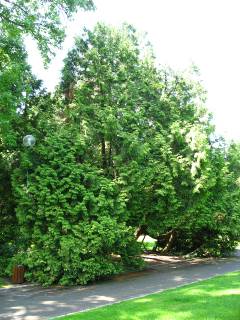
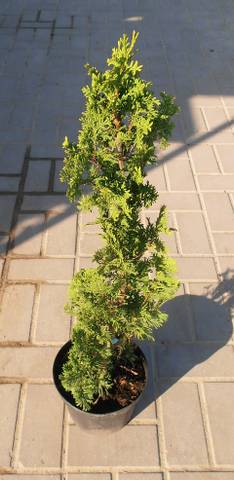
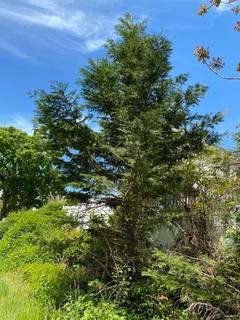
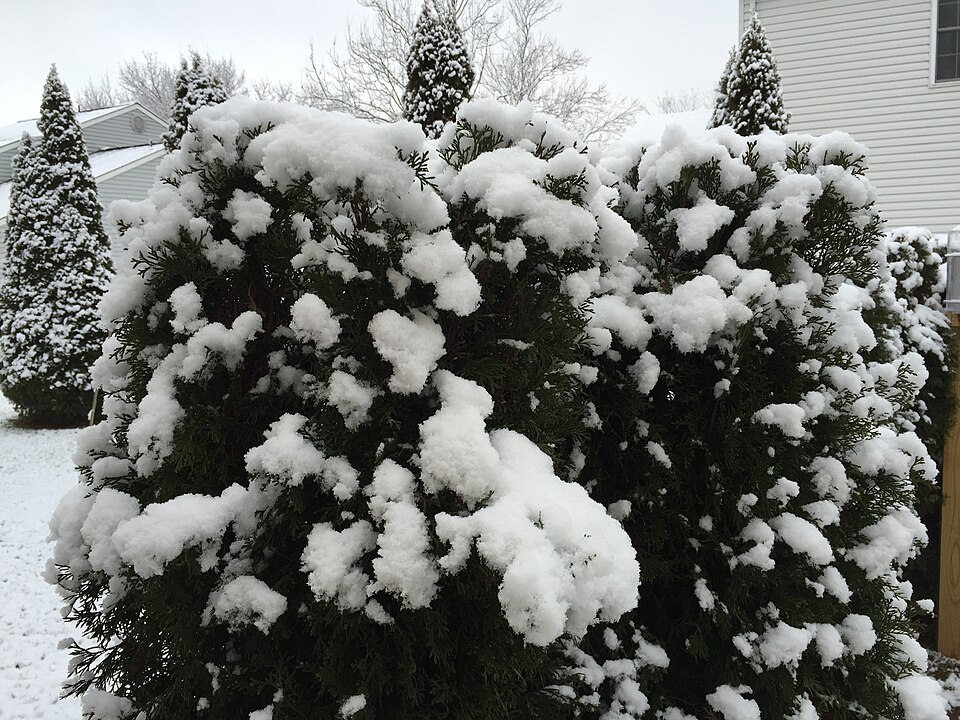
Thuja occidentalis 'Smaragd' is an upright narrow columnar coniferous evergreen tree growing 12-15 feet (3.7-4.6 m) tall and 3-4 feet (0.9-1.2 m) wide. Bright emerald-green scale-like foliage is carried in flat fan-shaped sprays and releases a pineapple-cedar scent when crushed. The cultivar name Smaragd is Danish for emerald, and the selection was developed in 1950 at the D.T. Poulsen nursery in Denmark; the cultivar has since become a standard of the hedging and screening trade across North America and Europe. Winter bronzing is minimal on this cultivar, so the bright green color holds through cold winters better than on most T. occidentalis selections — the winter color retention is the primary advantage over 'Fastigiata' and over species-seedling plants. All parts contain thujone oil and are toxic to humans and pets. The species is not drought-tolerant, and established plants still show foliage decline in dry summers without irrigation. Deer browse the foliage readily — the common assumption that arborvitae are deer-resistant does not apply to this species. Bagworm is the primary pest. Heavy snow can splay branches open, so stems are loosely tied with twine in snow-prone areas. Growth rate is slower than 'Fastigiata' at 6-12 inches (15-30 cm) per year.
Native Range
Cultivar developed at the D.T. Poulsen nursery in Denmark in 1950. Species T. occidentalis is native to eastern North America — Nova Scotia to the Great Lakes region.Suggested Uses
Grown as a narrow columnar hedge, screen, or privacy planting, spaced 3-4 feet (0.9-1.2 m) apart for a continuous screen. Retained green color in winter suits sites where bronzing arborvitae look dead during cold months. Not drought-tolerant and not deer-resistant. Mature size exceeds typical container dimensions. Hardy in zones 3-8.How to Identify
Appearance
Size & Dimensions
Height12' - 15'
Width/Spread3' - 4'
Reproduction
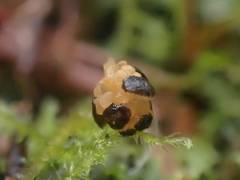
Monoecious. Small dark red-brown male cones in March-April, rarely prominent. Small brown ovoid cones 0.3-0.5 inch (8-13 mm) develop through summer.
Detailed Descriptions
Foliage Description
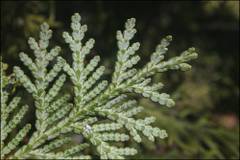
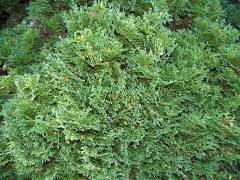
bright emerald-green above, paler below; scale-like foliage in flat fan-shaped sprays; winter bronzing is minimal, so the cultivar retains bright green color through cold winters better than most T. occidentalis selections — this winter color retention is the primary advantage over 'Fastigiata' and species seedlingsGrowing Conditions
Sun Requirements
Requires 4-12 hours of direct sunlight daily
• Full Sun: 6+ hours of direct sunlight
• Partial Shade: 3-6 hours of direct sunlight
• Full Shade: Less than 3 hours of direct sunlight
Care & Maintenance
Care Guide
Site in full sun to partial shade (4-12 hours direct sun) in well-drained soil with a pH of 6.0-8.0. The cultivar is not drought-tolerant, so consistent soil moisture is required — dry summers without irrigation cause foliage decline. Deer readily browse the foliage. Bagworm is the primary pest; bags are hand-picked in winter when visible on bare branches. Branches are loosely tied together with twine in snow-prone areas to prevent splaying under heavy snow. Prune in late spring to summer (May-June). All parts contain thujone and are toxic to humans and pets. Hardy in zones 3-8.Pruning
Prune in late spring to summer (May-June) to shape if desired. Light shearing is tolerated. Cuts into bare wood do not regenerate, so pruning is restricted to green growth. The narrow columnar form requires minimal shaping. Stems are tied loosely with twine in winter to prevent snow splaying.Pruning Schedule
Prune: May–June
late springsummer