Thuja, Genus, koraiensis, Species,
- Genus & species
blue Korean arborvitae
Korea, northeastern China, southeastern Russia
Overview
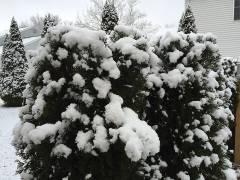
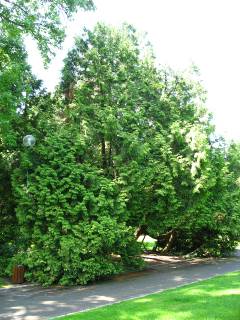
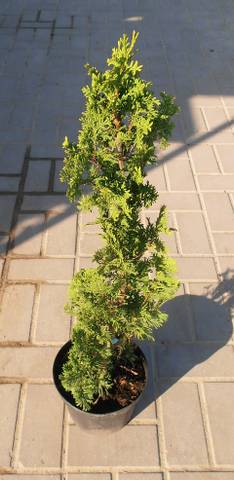
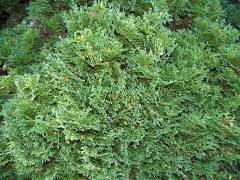
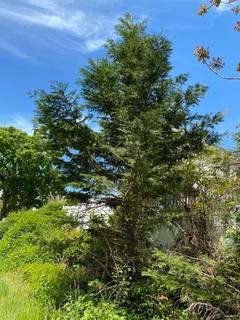
Thuja koraiensis is a slow-growing evergreen conifer that develops as a small tree or large shrub, reaching 15-30 feet (4.6-9 m) tall and 8-15 feet (2.4-4.6 m) wide in cultivation; in native habitat it can reach 30-50 feet (9-15 m). Annual growth averages 4-8 inches (10-20 cm). Foliage consists of flat, fan-shaped sprays of scale-like leaves; upper surfaces are deep green, while undersides display broad silver-white wax bands that are visible from below or when sprays are turned. Foliage releases an almond-anise fragrance when crushed. New growth emerges bright green and matures to deep green. Inconspicuous male and female cones develop on the same plant; female cones are oval, 0.4-0.6 inch (10-15 mm), green ripening to brown in a single season. Bark is reddish-brown, shredding in vertical strips on older trunks. Habit varies from upright tree to spreading shrub depending on growing conditions and seed source. Mature dimensions develop in 15-25 years from a 3-gallon (11 L) container.
Native Range
Native to mountainous regions of Korea and adjacent northeastern China and southeastern Russia (Primorsky Krai), occurring at 700-2,500 feet (215-760 m) elevation in mixed conifer-broadleaf forests. Found on cool, moist mountain slopes and ravine bottoms in well-drained organic soils.Suggested Uses
Used as a specimen in shaded woodland gardens and conifer collections, spaced 10-15 feet (3-4.6 m) apart for full mature width. The shrub form is used in mixed borders at 8-10 feet (2.4-3 m) spacing. Container culture is uncommon for the species form due to slow growth and large mature size; container plants perform in pots of 15 gallons (57 L) or larger with consistent moisture and partial shade.How to Identify
Appearance
Size & Dimensions
Height15' - 30'
Width/Spread8' - 15'
Bloom Information
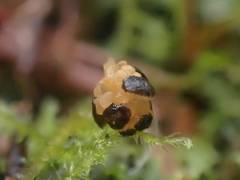
As a conifer, this species bears cones rather than flowers. Small male strobili release pollen in April-May depending on zone. Female cones develop on the same plant, ripening from green to brown over a single growing season and reaching 0.4-0.6 inch (10-15 mm) at maturity. Cones release winged seeds in autumn.
Detailed Descriptions
Foliage Description
Deep green above; silver-white wax bands beneathGrowing Conditions
Sun Requirements
Requires 2-6 hours of direct sunlight daily
• Full Sun: 6+ hours of direct sunlight
• Partial Shade: 3-6 hours of direct sunlight
• Full Shade: Less than 3 hours of direct sunlight
Care & Maintenance
Care Guide
Establishment requires deep watering every 7-10 days during the first two growing seasons, with 1-2 gallons (3.8-7.6 L) per inch of trunk caliper at each application. Established plants require consistent soil moisture and afternoon shade in zones 6-7; foliage scorches and interior browning develops during summer dry periods above 85°F (29°C). Performs poorly in clay soils and waterlogged conditions. Bagworm and spider mite damage occur in stressed plants in zones 6-7. Deer browse foliage in winter. A 2-3 inch (5-7.5 cm) mulch layer of pine bark or composted leaf mulch over the root zone, held back 2 inches (5 cm) from the trunk, maintains the cool moist root conditions characteristic of native habitat.Pruning
This species maintains a natural form without pruning. Damaged or dead branches can be removed at any time of year. Light shaping in late spring is tolerated; cutting into wood older than two seasons does not regenerate, leaving permanent gaps.Pruning Schedule
Prune: May–June
late spring
Container Growing
Minimum container size: 15 gallons