Image 1 of 7
1 / 7
Plant Reference
Thuja, Genus, plicata, Species,
- Genus & species
western red cedar
Alaska south through British Columbia, Washington, Oregon, northern California, and northern Rocky Mountains; moist to wet forest lowlands and valley bottoms
Overview
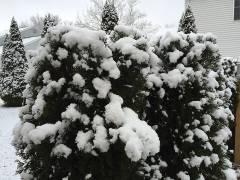
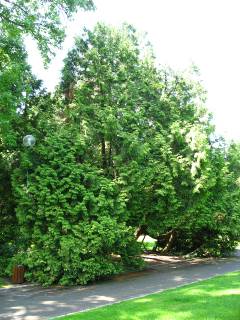
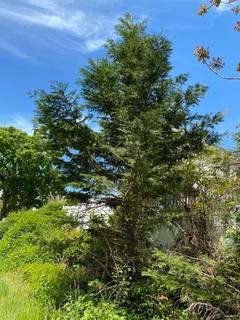
Thuja plicata is western red cedar (Pacific red cedar), an upright evergreen coniferous tree growing 100-200 feet (30-60 m) tall and 20-60 feet (6-18 m) wide. Bright glossy green scale-like foliage in flattened pendulous fernlike sprays with butterfly-shaped white stomatal markings on the underside. In Cupressaceae. Plicata = folded. NOT a true cedar (Cedrus). The most culturally significant tree of the Pacific Northwest — used by Coast Indigenous peoples for canoes, longhouses, totem poles, and baskets. Extremely rot-resistant heartwood (thujaplicins). Fibrous reddish-brown bark. Fluted buttressed trunk base on old trees. Native from Alaska to northern California and the northern Rockies. The massive size (100-200 feet / 30-60 m) requires large landscapes. High water requirement — NOT drought-tolerant. Leaf scorch in dry conditions. This moisture requirement is the primary limitation. Non-toxic. Zones 5-9. Part sun to full sun. Growth rate is moderate to fast.
Native Range
Native from Alaska south through British Columbia, Washington, Oregon, northern California, and the northern Rocky Mountains. Found in moist to wet forest lowlands and valley bottoms.Suggested Uses
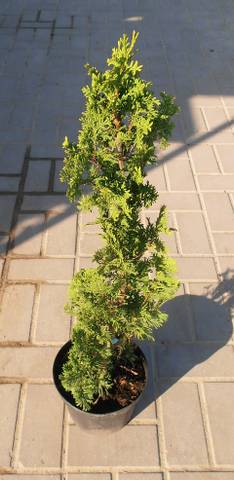
Grown as a native specimen tree, screen, and windbreak in moist-climate landscapes, spaced 20-60 feet (6-18 m). Massive size — not for small lots. Not drought-tolerant. Culturally significant PNW tree. Non-toxic. Not suitable for containers. Zones 5-9.How to Identify
Appearance
Size & Dimensions
Height100' - 200'
Width/Spread20' - 60'
Reproduction
Monoecious. Small reddish male cones at branch tips and small green female cones in March-April. Small egg-shaped upright cones 0.4-0.6 inch (10-15 mm), ripening August-September.
Detailed Descriptions
Foliage Description
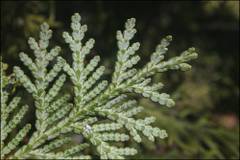
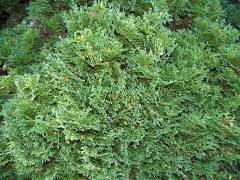
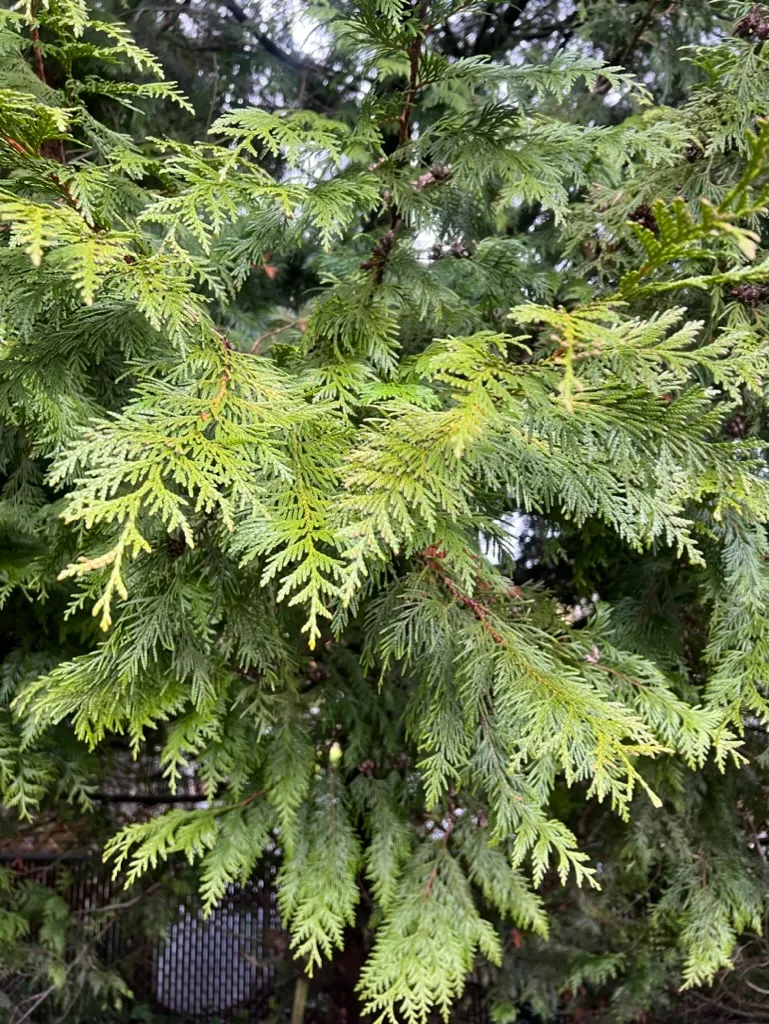
Bright glossy green above, with butterfly-shaped (X-shaped) white stomatal markings on the underside of foliage sprays — this underside pattern is the primary field identification character; scale-like overlapping leaves in flattened pendulous fernlike sprays; strongly aromatic (sweet spicy cedar scent) when crushedGrowing Conditions
Sun Requirements
Requires 3-10 hours of direct sunlight daily
• Full Sun: 6+ hours of direct sunlight
• Partial Shade: 3-6 hours of direct sunlight
• Full Shade: Less than 3 hours of direct sunlight
Care & Maintenance
Care Guide
Part sun to full sun (3-10 hours). Moist soil pH 5.0-7.0. High water requirement — NOT drought-tolerant. Leaf scorch and dieback in dry conditions. The massive size (100-200 feet / 30-60 m) requires large landscapes. No regular pruning needed. Non-toxic. Zones 5-9.Pruning
No regular pruning needed in natural or landscape settings. Tolerates formal shearing when used as a hedge (cultivars). Do not cut into bare wood — does not regenerate from leafless stems. Remove dead branches only.Pruning Schedule
Prune: April
late spring