Image 1 of 9
1 / 9
Plant Reference
Thuja, Genus, plicata, Species, 'Zebrina', Cultivar,
- Genus & species
- Cultivar
golden western red cedar
Cultivar selected in horticulture; species native to the Pacific Northwest from coastal Alaska south through British Columbia, Washington, Oregon, and northern California; east to Idaho and Montana; sea level to 7,000 feet (2,100 m)
Overview
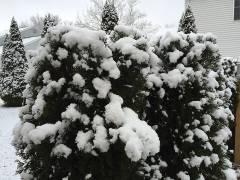
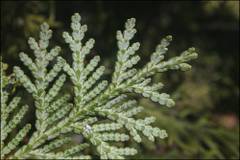
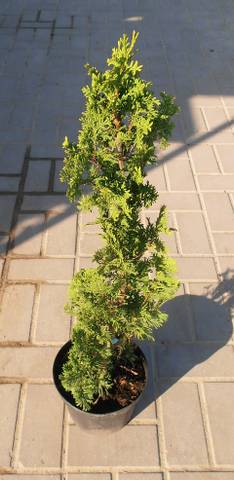
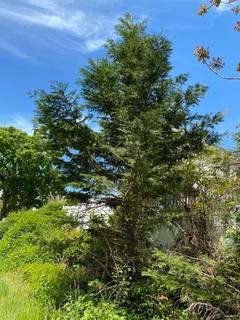
Thuja plicata 'Zebrina' is golden western red cedar (variegated western red cedar), an upright pyramidal evergreen coniferous tree growing 40-60 feet (12-18 m) tall and 12-18 feet (3.7-5.5 m) wide. Cream-yellow to golden-yellow outer portions in alternating bands with dark green inner portions create a zebra-striped variegation. Scale-like foliage in flat fan-shaped sprays with a pineapple-cedar scent. In Cupressaceae. Plicata = plaited; Zebrina = zebra-striped. Slower-growing and smaller than the green species (T. plicata, 70-200 feet / 21-60 m). Variegation most vivid in full sun. T. plicata is distinguished from T. occidentalis by the larger size, J-shaped leaf glands, and more uniform winter color. Native to the Pacific Northwest. Bagworm and spider mites are the primary pests. NOT deer-resistant. Heavy snow can splay branches. Non-toxic. Zones 5-9. Full sun to partial shade. Growth rate is moderate.
Native Range
Cultivar selected in horticulture. Species native to the Pacific Northwest — coastal Alaska south through British Columbia, Washington, Oregon, and northern California; east to Idaho and Montana. Found from sea level to 7,000 feet (2,100 m).Suggested Uses
Grown as a variegated specimen, screen, and tall hedge, spaced 12-18 feet (3.7-5.5 m). Zebra-striped variegation. Smaller than the species. Not deer-resistant. Non-toxic. Not suitable for containers. Zones 5-9.How to Identify
Appearance
Size & Dimensions
Height40' - 60'
Width/Spread12' - 18'
Reproduction
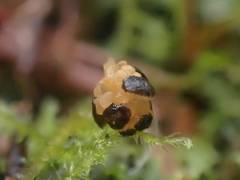
Monoecious. Small dark red-brown male cones and small green female cones at branch tips in March-April. Small urn-shaped brown cones 0.5 inch (1.3 cm), maturing in fall.
Detailed Descriptions
Foliage Description
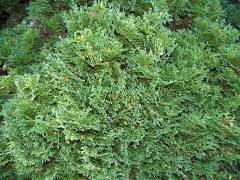
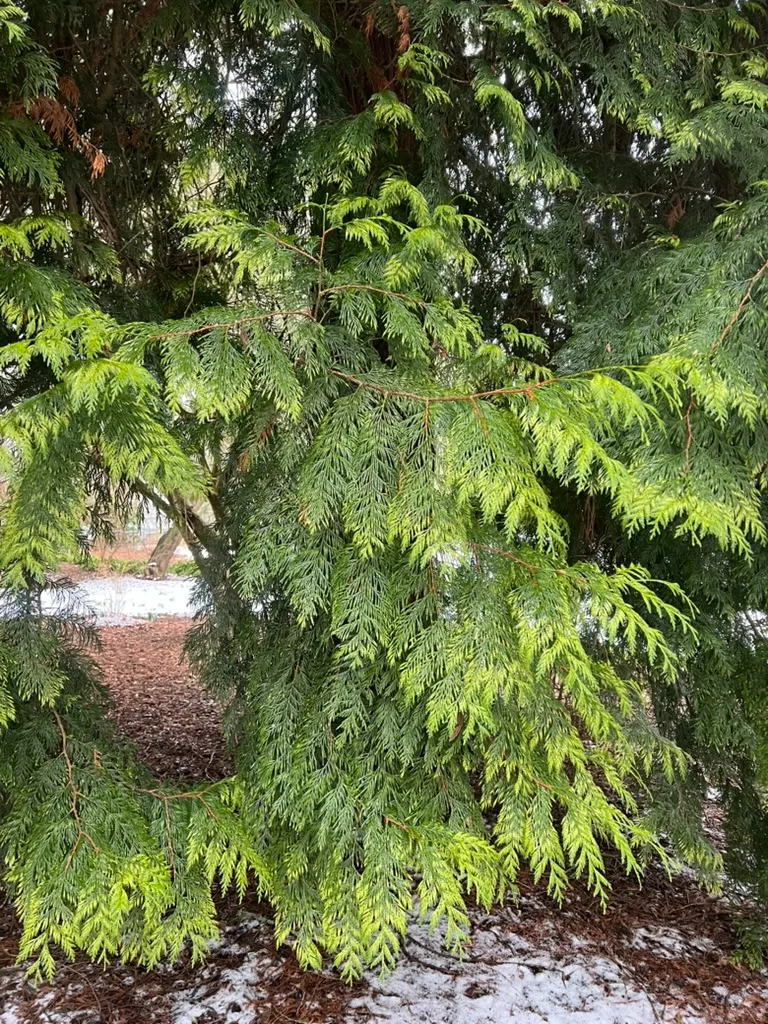
Cream-yellow to golden-yellow outer portions in alternating bands with dark green inner portions, creating a zebra-striped variegation pattern; scale-like foliage in flat fan-shaped sprays with a pineapple-cedar scent when crushed; the variegation is most vivid in full sun and fades toward solid green in shadeGrowing Conditions
Sun Requirements
Requires 4-12 hours of direct sunlight daily
• Full Sun: 6+ hours of direct sunlight
• Partial Shade: 3-6 hours of direct sunlight
• Full Shade: Less than 3 hours of direct sunlight
Care & Maintenance
Care Guide
Full sun to partial shade (4-12 hours). Variegation fades in shade. Well-drained soil pH 5.0-7.0. Tolerates clay. Bagworm and spider mites are the primary pests. NOT deer-resistant. Heavy snow can splay branches — tie loosely with twine. Non-toxic. Zones 5-9.Pruning
Prune in late spring to summer (May-June) to shape. Tolerates formal shearing. Do not cut into bare wood — Thuja does not regenerate from leafless stems. Tie branches loosely with twine in winter to prevent snow splaying.Pruning Schedule
Prune: May–June
late springsummer