Thuja, Genus, occidentalis, Species, 'Degroot's Spire', Cultivar,
- Genus & species
- Cultivar
Degroot's spire thuja
Overview
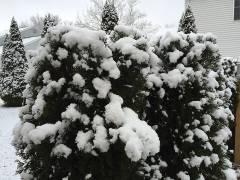
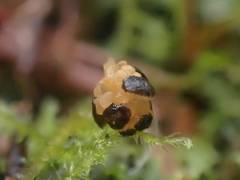
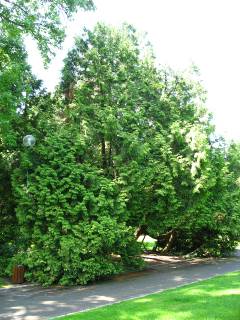
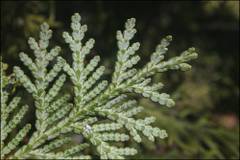
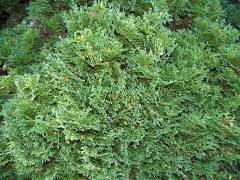
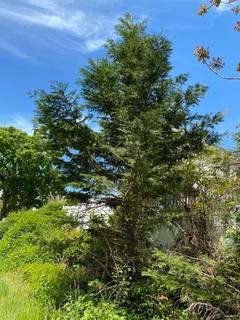
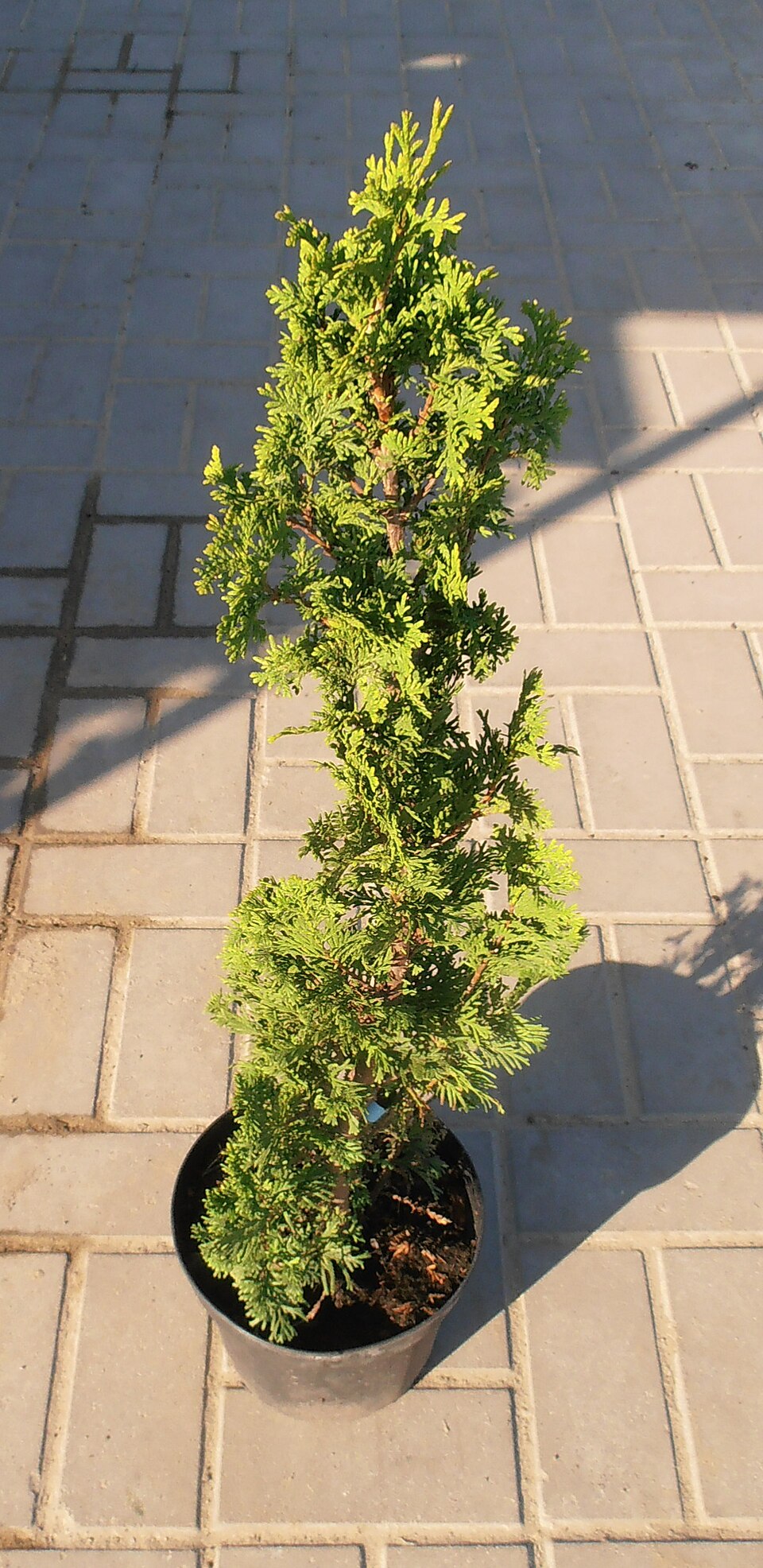
Thuja occidentalis 'Degroot's Spire' is a slow-growing evergreen conifer with a narrow columnar habit and slightly twisted foliage sprays, reaching 10-15 feet (3-4.6 m) tall and 24-36 inches (60-90 cm) wide at maturity, with reports up to 20 feet (6 m) in long-established specimens. Annual growth averages 4-8 inches (10-20 cm). Foliage consists of flat, fan-shaped sprays of scale-like leaves; sprays develop a slight spiral around the central leader as the plant matures. Foliage is medium to deep green and retains color through winter in zones 3-6 with minor bronzing in cold zones. Inconspicuous male and female cones develop on the same plant; female cones reach 0.3-0.5 inch (8-12 mm), ripening from green to brown over a single growing season. Bark is reddish-brown, shredding in vertical strips on older trunks. The narrow form collects snow and ice in zones 3-5; trunks are tied with twine in late autumn to prevent splay damage. Mature dimensions develop in 12-18 years from a 3-gallon (11 L) container.
Native Range
The parent species Thuja occidentalis is native to eastern and central Canada and the northeastern United States. The cultivar 'Degroot's Spire' was selected in horticulture by Dutch nurseryman Leon Degroot and does not occur in wild populations.Suggested Uses
Used as a vertical accent in narrow planting strips and foundation plantings, spaced 3-4 feet (90-120 cm) apart. Container culture in pots of 10 gallons (38 L) or larger with adequate drainage; root crown is sensitive to waterlogged soils. Mass plantings of 3-7 specimens create vertical screens for narrow privacy applications.How to Identify
Appearance
Size & Dimensions
Height10' - 15'
Width/Spread2' - 3'
Bloom Information
As a conifer, this cultivar bears cones rather than flowers. Small male strobili release pollen in April-May depending on zone. Female cones develop on the same plant, ripening from green to brown over a single growing season and reaching 0.3-0.5 inch (8-12 mm) at maturity. Cone production is sparse on young plants and increases after 5-7 years.
Detailed Descriptions
Foliage Description
Medium to deep green; minor bronzing in cold zonesGrowing Conditions
Sun Requirements
Requires 4-8 hours of direct sunlight daily
• Full Sun: 6+ hours of direct sunlight
• Partial Shade: 3-6 hours of direct sunlight
• Full Shade: Less than 3 hours of direct sunlight
Care & Maintenance
Care Guide
Establishment requires deep watering every 7-10 days during the first growing season, with 1-2 gallons (3.8-7.6 L) per inch of trunk caliper at each application. Established plants tolerate 2-3 weeks without rain in zones 3-6 but require supplemental water in zones 7-8 during summer dry periods. Foliage browning and shedding from interior branches occurs in deep shade or after extended drought; brown sprays do not regenerate. Bagworm caterpillars feed on foliage in zones 5-8, with damage visible from June through September. Deer browse foliage heavily in winter in zones 3-6. The narrow upright habit collects snow and ice; trunks are tied with twine in late autumn in zones 3-5 to prevent splay damage.Pruning
This cultivar maintains its narrow columnar form without pruning. Light tip-pruning in May-June can maintain a denser silhouette; cutting into wood older than two seasons does not regenerate, leaving permanent gaps. Annual shearing reduces the slight spiral effect of the foliage sprays.Pruning Schedule
Prune: May–June
late spring
Container Growing
Suitable for container growing
Minimum container size: 10 gallons