Flowering Shrub
Syringa, Genus, oblata, Species,
- Genus & species
Early lilac
Northern and northeastern China, Korea
Overview
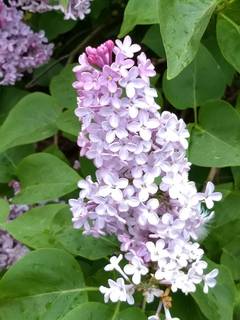
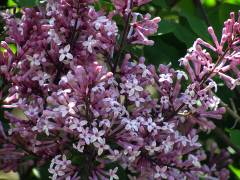
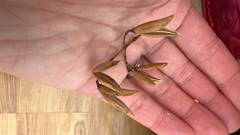
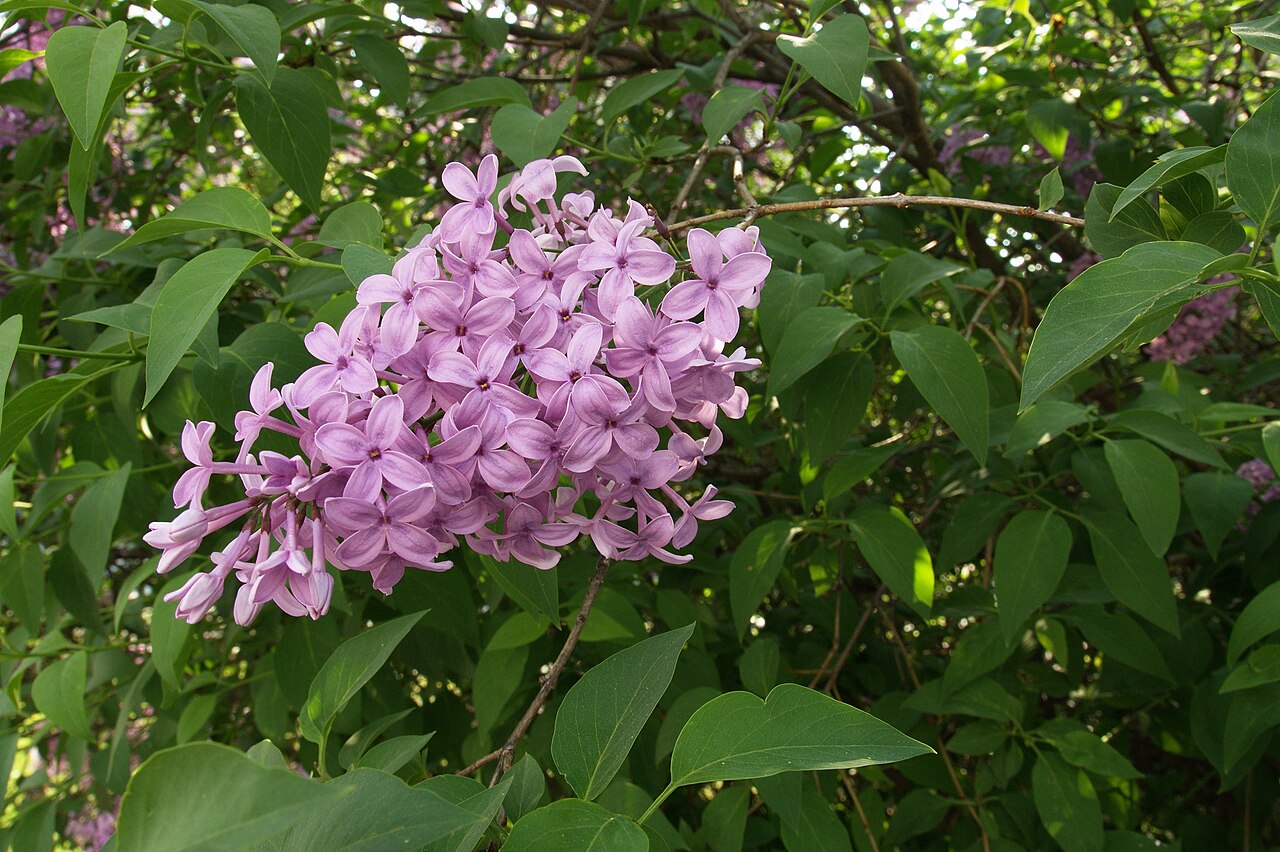
Syringa oblata is a deciduous, multi-stemmed shrub or small tree that reaches 8–12 feet (2.4–3.7 m) tall and 6–10 feet (1.8–3 m) wide, and up to 16 feet (5 m) in the wild. Leaves are broadly ovate to kidney-shaped with a heart-shaped base, 2–4 inches (5–10 cm) long and wide, dark green above, and turn burgundy to purple-red in autumn in cool climates. Flowers are lilac to pale purple, 0.5-inch (1.3 cm) long tubes opening to four lobes, borne in upright panicles 3–6 inches (8–15 cm) long, and are fragrant. Fruits are smooth, flattened capsules 0.5–0.75 inch (1.3–2 cm) long that split in fall. It flowers 1–2 weeks earlier than S. vulgaris. Flower buds form on the previous year's wood, and late frosts after bud swell kill flowers. Powdery mildew develops on foliage in humid late summers. The species is hardy in USDA zones 3–7 and declines in hot, humid summers.
Native Range
Syringa oblata is native to northern and northeastern China and Korea, where it grows on mountain slopes and in thickets at 300–2,400 m elevations. It is one of the parents of the hybrid S. ×hyacinthiflora.Suggested Uses
Syringa oblata is used in mixed borders, informal hedges, and as a specimen where cold winters support heavy flowering. Spacing of 6–10 feet (1.8–3 m) between plants allows full spread. It is also used as a parent in breeding of early-flowering lilacs.How to Identify
Appearance
Size & Dimensions
Height8' - 12'
Width/Spread6' - 10'
Bloom Information
Syringa oblata blooms in mid to late spring, typically April to May, 1–2 weeks before S. vulgaris. Panicles remain open for 2–3 weeks, and the fragrance is moderate to strong. Flowers are visited by bees and butterflies.
Detailed Descriptions
Flower Description
Lilac to pale purpleFoliage Description
Dark green, burgundy to purple-red in fallGrowing Conditions
Sun Requirements
Requires 6-10 hours of direct sunlight daily
• Full Sun: 6+ hours of direct sunlight
• Partial Shade: 3-6 hours of direct sunlight
• Full Shade: Less than 3 hours of direct sunlight
Care & Maintenance
Care Guide
Syringa oblata grows in full sun, with at least 6 hours of direct light, in fertile, well-drained, neutral to alkaline soil of pH 6.5–7.5. Plants need 1 inch (2.5 cm) of water weekly during dry spells, and wet soil promotes root rot. Hardiness is USDA zones 3–7, with reduced bloom in hot, humid climates. Air circulation of 3–4 feet (0.9–1.2 m) between plants reduces powdery mildew, and lilac borers and scale insects feed on stems. A 2-inch (5 cm) mulch layer limits root drying. Shade of less than 6 hours reduces flowering.Pruning
Pruning takes place immediately after flowering, since flower buds for the next year form on new wood by midsummer. Up to one-third of the oldest stems are cut to the base each year, and suckers are removed. Hard rejuvenation to 12–24 inches (30–60 cm) removes flowering for 2–3 years.Pruning Schedule
Prune: May–June
late spring