Image 1 of 17
1 / 17
Plant Reference
Syringa, Genus, vulgaris, Species,
- Genus & species
lilac, common lilac
Southeastern Europe — the Balkans (primarily the mountains of Albania, Bulgaria, Greece, and the former Yugoslavia)
Overview
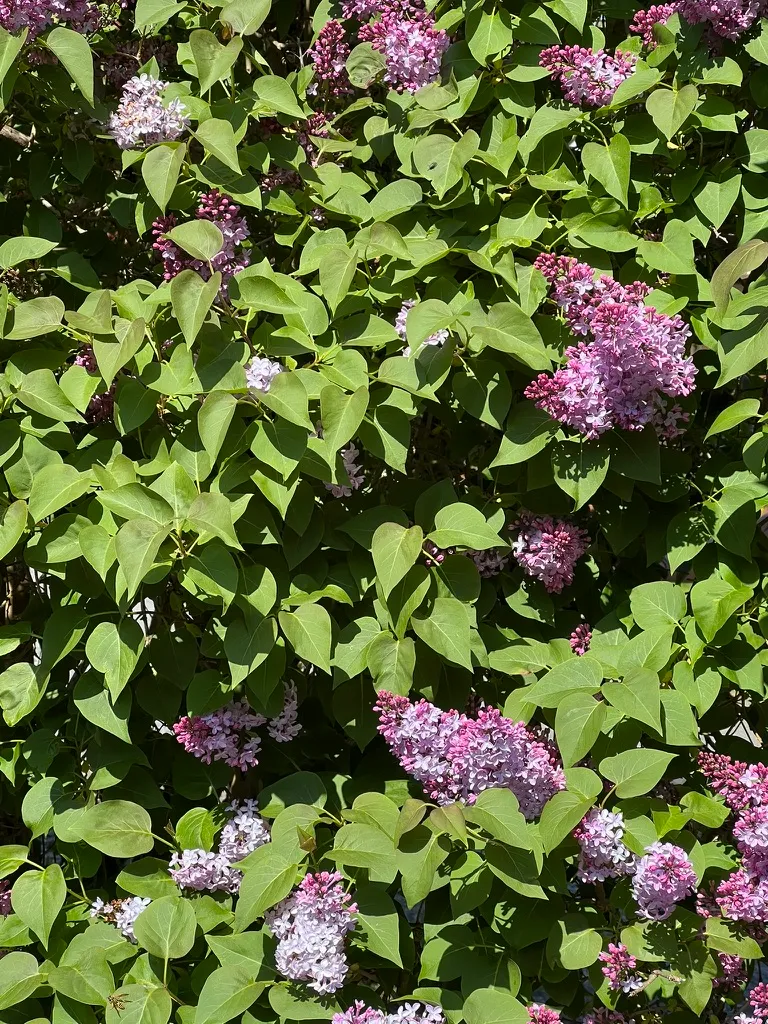
Syringa vulgaris is common lilac, a large upright deciduous shrub growing 8-15 feet (2.4-4.5 m) tall and 6-12 feet (1.8-3.6 m) wide. Lilac-purple (species type) tubular flowers in dense conical panicles 4-10 inches (10-25 cm) in April-May. Cultivars range from white, pink, lavender, blue, magenta, to deep purple — single and double forms. Strongly fragrant (the defining lilac scent). Dark green simple heart-shaped opposite leaves 2-5 inches (5-13 cm). No significant fall color. In Oleaceae. Native to southeastern Europe — the Balkans. Spreads by root suckers from the base and from underground runners — colonies expand 1-3 feet (0.3-0.9 m) annually. This suckering and the resulting leggy bare-stemmed lower habit are the primary maintenance limitations. Requires adequate winter chill (below 45°F / 7°C for 6-8 weeks) — blooms poorly or not at all in warm-winter climates (zones 8+). Powdery mildew covers the foliage in late summer in humid conditions — does not damage the plant but is unsightly. Lilac borer attacks stressed plants. Blooms on old wood. Tolerates alkaline soil (pH to 8.0). Deer browse. Non-toxic. Zones 3-7. Full sun. Growth rate is moderate.
Native Range
Native to southeastern Europe — the Balkans (primarily the mountains of Albania, Bulgaria, Greece, and the former Yugoslavia).Suggested Uses
Grown as a specimen shrub, informal hedge, and screen spaced 6-12 feet (1.8-3.6 m). Fragrant spring bloom. Hundreds of cultivars in multiple colors. Requires winter chill. Suckers. Not for warm climates. Non-toxic. Zones 3-7.How to Identify
Appearance
Size & Dimensions
Height8' - 15'
Width/Spread6' - 12'
Bloom Information
Mid to late spring (April-May). Lilac-purple (or cultivar colors) tubular flowers in dense conical panicles 4-10 inches (10-25 cm). Strongly fragrant. 3 weeks on old wood. Requires winter chill for bloom. Bee-, butterfly-, and hummingbird-visited. Deadhead spent panicles.
Detailed Descriptions
Flower Description
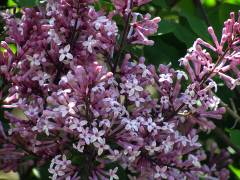
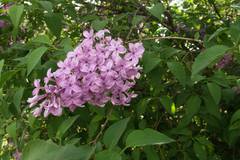
Lilac-purple (species type); cultivars range from white, pink, lavender, blue, magenta, to deep purple; tubular, 0.3-0.5 inch (8-13 mm), in dense conical panicles 4-10 inches (10-25 cm); strongly fragrantFoliage Description
Dark green, simple, heart-shaped (cordate), opposite, 2-5 inches (5-13 cm); no significant fall color — drops green or with minimal yellowGrowing Conditions
Sun Requirements
Requires 6-12 hours of direct sunlight daily
• Full Sun: 6+ hours of direct sunlight
• Partial Shade: 3-6 hours of direct sunlight
• Full Shade: Less than 3 hours of direct sunlight
Care & Maintenance
Care Guide
Full sun (6+ hours). Well-drained soil pH 6.0-8.0 — tolerates alkaline. Drought-tolerant once established. Requires winter chill (below 45°F / 7°C for 6-8 weeks) — does not bloom reliably in zones 8+. Powdery mildew in late summer (cosmetic). Root suckers expand the colony. Blooms on old wood — prune after flowering (May-June). Deer browse. Non-toxic. Zones 3-7.Pruning
Prune after flowering (May-June) — blooms on old wood. Deadhead spent panicles. Remove 1/3 of the oldest stems at the base annually for renewal — prevents the leggy bare-stemmed habit. Remove root suckers to control spread. Do not prune in late winter (removes flower buds).Pruning Schedule
Prune: May–June
late spring