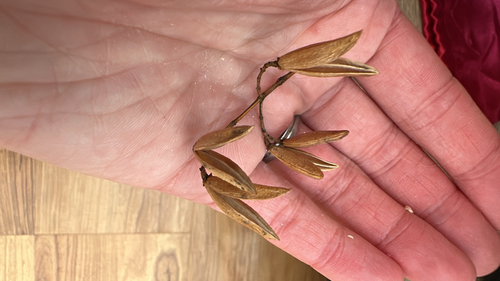
Syringa, Genus, spp., Multiple species,
- Genus
- Multiple species
lilacs
Temperate Eurasia (southeastern Europe to East Asia)
Overview
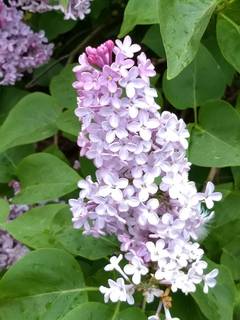
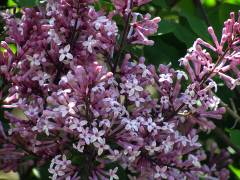
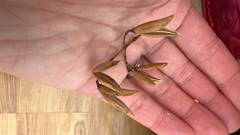
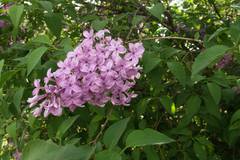
Syringa is a genus of about 12 to 25 species of deciduous shrubs and small trees in the olive family, Oleaceae, native to woodland and scrub from southeastern Europe across temperate Asia to Japan and Korea. Most species form upright, multi-stemmed shrubs 5-15 ft (1.5-4.5 m) tall, while the tree lilac S. reticulata reaches 20-30 ft (6-9 m) on a single trunk. The leaves are opposite, simple, and usually heart-shaped to oval, 1-5 in (2.5-13 cm) long, mid-green and untoothed, turning little before falling. Flowers open in dense conical or branched panicles 4-8 in (10-20 cm) long, each bloom a slender tube flaring into four lobes, in shades of lilac-purple, violet, blue, pink, white, and pale cream. Most species carry a strong sweet fragrance that is the basis of their garden use. Flowering lasts roughly two weeks in mid to late spring, followed by clusters of dry brown seed capsules. Lilacs need cold winters to bloom heavily and set few flowers in hot, humid climates. They grow in full sun and neutral to slightly alkaline soil, and many old plants sucker into broad thickets. Powdery mildew commonly coats the foliage in late summer without lasting harm to the plant.
Native Range
The genus is native to temperate Eurasia, from the Balkan Peninsula and Carpathian mountains eastward through the Himalayas to China, Korea, and Japan. The common lilac S. vulgaris originates in the rocky hills of southeastern Europe.Suggested Uses
Lilacs are grown as flowering specimens, informal hedges, and screens, and the larger tree species line streets and driveways. Cut panicles are used in spring arrangements for their fragrance. Compact cultivars suit shrub borders and large containers.How to Identify
Appearance
Size & Dimensions
Height5' - 30'
Width/Spread4' - 15'
Bloom Information
Lilacs bloom in mid to late spring, generally April to June depending on species and climate, with each panicle lasting about two weeks. Bloom depends on adequate winter chilling, and flowers form on wood produced the previous summer. A few modern cultivars rebloom lightly in late summer.
Detailed Descriptions
Flower Description
lilac-purple, violet, blue, pink, white, creamFoliage Description
mid-greenGrowing Conditions
Sun Requirements
Requires 6-10 hours of direct sunlight daily
• Full Sun: 6+ hours of direct sunlight
• Partial Shade: 3-6 hours of direct sunlight
• Full Shade: Less than 3 hours of direct sunlight
Care & Maintenance
Care Guide
Syringa grows in full sun, needing at least six hours daily for heavy bloom, and tolerates a range of well-drained soils at neutral to slightly alkaline pH around 6.0-7.5. Plants need cold winters and set few flowers in regions with hot, humid summers or mild winters. Water regularly during establishment, after which most species are drought-tolerant. Powdery mildew, lilac borer, and scale are the main pests, with mildew most visible in late summer. Many species sucker freely and spread into thickets unless suckers are removed. Open air movement around the plant reduces foliar disease.Pruning
Prune Syringa immediately after flowering, since next seasons flower buds form on the current seasons new wood within weeks of bloom. Removing spent panicles and thinning the oldest stems to the ground each year keeps plants vigorous. Overgrown lilacs can be renewed by cutting a third of the old stems to the base over three successive years.Pruning Schedule
Prune: May–June
late springsummer