Syringa, Genus, reticulata, Species,
- Genus & species
Japanese tree lilac
Overview
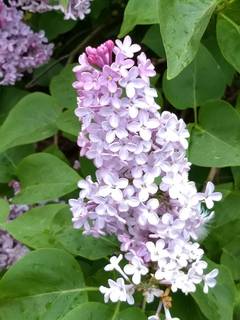
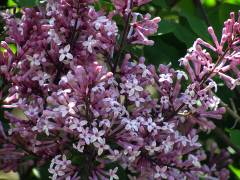
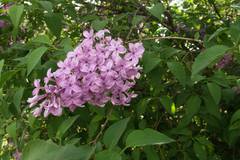
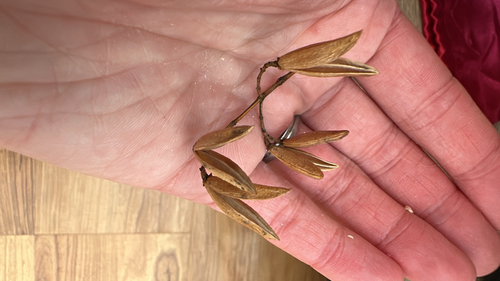
Syringa reticulata, the Japanese tree lilac, is a small deciduous tree in the olive family, and the lilac most often grown as a single-trunked or multi-stemmed tree rather than a shrub. It reaches 20-30 feet (6-9 m) tall and 15-25 feet (4.5-7.5 m) wide, forming a rounded, oval crown. The dark green ovate leaves are 2-5 inches (5-13 cm) long and turn little before falling. In early summer, after most other lilacs have finished, it carries broad creamy-white flower panicles 6-12 inches (15-30 cm) long with a heavy, privet-like fragrance. The reddish-brown bark is marked with horizontal lenticels much like a cherry. S. reticulata tolerates urban conditions, cold, and a range of soils, which has made it a common street and lawn tree in northern cities. The scent is strong and not to every taste, and spent flower clusters turn to brown seed capsules that persist into winter. It needs full sun and good drainage and flowers poorly in shade.
Native Range
Native to eastern Asia, including Japan, Korea, and northern China. In the wild it grows in forests, thickets, and along streams. It has been widely planted elsewhere as an ornamental tree.Suggested Uses
Grown as a street tree, lawn specimen, and small shade tree in cold-winter regions. Its summer flowers extend the lilac season after shrub forms finish. The compact size suits planting under power lines and in narrow parkways.How to Identify
Appearance
Size & Dimensions
Height20' - 30'
Width/Spread15' - 25'
Bloom Information
Flowering comes in early summer, usually June, two to four weeks after common lilacs finish. The large creamy-white panicles are heavily fragrant and draw bees and other insects. Bloom lasts about two weeks, followed by tan seed capsules that persist into winter.
Detailed Descriptions
Foliage Description
dark greenGrowing Conditions
Sun Requirements
Requires 6-10 hours of direct sunlight daily
• Full Sun: 6+ hours of direct sunlight
• Partial Shade: 3-6 hours of direct sunlight
• Full Shade: Less than 3 hours of direct sunlight
Care & Maintenance
Care Guide
Plants need full sun and moist, well-drained soil, and tolerate clay, alkaline ground, and city pollution. Water young trees regularly until established, after which they handle short dry spells. Hardiness reaches about USDA zone 3, so it grows where many flowering trees fail. Flowering is sparse in shade, and heavy seed set can reduce bloom the following year. Borers and scale occasionally attack stressed trees. Good air flow reduces the powdery mildew that can mark lilac foliage in late summer.Pruning
Pruning is done just after flowering, since the next year's flower buds form in summer. Crossing, dead, or watersprout growth is removed, and the lower canopy is lifted to shape a single trunk. Spent flower clusters can be cut off to limit seed capsules and support the following year's bloom.Pruning Schedule
Prune: June–July
summer