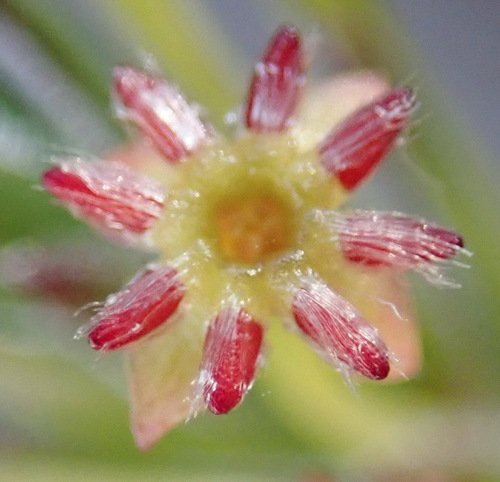
Struthiola, Genus, spp., Multiple species,
- Genus
- Multiple species
capesprays
Southern Africa (Cape Floristic Region)
Overview
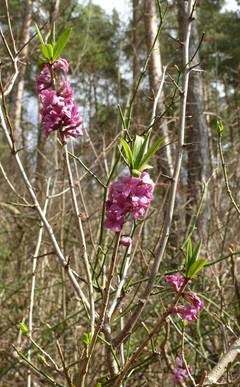
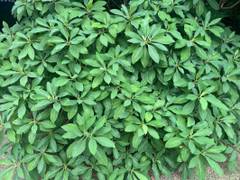
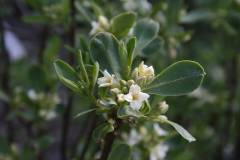
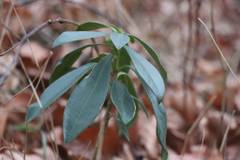
Struthiola is a genus of roughly 35 to 40 evergreen shrubs in the family Thymelaeaceae, native to southern Africa. Most species grow 1.5–5 ft (0.5–1.5 m) tall with a slender, upright to spreading habit on wiry stems. The leaves are small, 0.2–0.6 inch (5–15 mm) long, narrow, and set in opposite, overlapping ranks that give the stems a heath-like texture. Flowers are tubular, 0.4–0.8 inch (10–20 mm) long, opening to four or five spreading lobes carried in the upper leaf axils. Across the genus the flowers range through white, cream, yellow, pink, and mauve. Many species release a clove-like scent after dusk, when night-flying moths pollinate them. Struthiola grows in the fynbos and coastal sandveld of the Cape Floristic Region, tolerating nutrient-poor sandy soils and summer drought. Most species are frost-tender and are damaged below about 28°F (−2°C), which limits outdoor use to mild climates. The small leaves and wiry stems change little through the year, so the foliage looks similar in all seasons. Habit varies by species: S. ciliata stays under 3 ft (90 cm), while S. myrsinites reaches 5 ft (1.5 m).
Native Range
Struthiola is endemic to southern Africa, concentrated in the Cape Floristic Region of South Africa and extending into the Eastern Cape and Namibia. It grows in fynbos, renosterveld, and coastal sandveld on sandy, acidic soils.Suggested Uses
Struthiola is grown in coastal and Mediterranean-climate gardens, sandy fynbos-style plantings, and water-wise borders. Lower species are used as informal groundcover on slopes, while taller ones are spaced 24–36 inches (60–90 cm) apart in mixed shrub beds. In climates outside its frost-free range it is grown in containers moved under cover for winter.How to Identify
Appearance
Size & Dimensions
Height1'6" - 5'
Width/Spread1'6" - 4'
Colors
Bloom Information
Across the genus, Struthiola flowers mainly from late winter into spring, roughly August to November in its native southern hemisphere range. Where winters stay mild, some species flower on and off through much of the year. Individual flowers last several days, and the clove-like fragrance is strongest after dusk.
Detailed Descriptions
Flower Description
white, cream, yellow, pink, or mauveFoliage Description
green to grey-greenGrowing Conditions
Sun Requirements
Requires 6-12 hours of direct sunlight daily
• Full Sun: 6+ hours of direct sunlight
• Partial Shade: 3-6 hours of direct sunlight
• Full Shade: Less than 3 hours of direct sunlight
Care & Maintenance
Care Guide
Struthiola grows in full sun and sharp-draining sandy or gravelly soil with an acidic to neutral pH of 5.5–7.0. Established plants tolerate long summer drought and need only occasional deep watering after the first season. The genus resents waterlogged ground and root disturbance, so raised sandy beds and containers suit gardens with heavy soil. Most species are frost-tender and decline below about 28°F (−2°C) without protection. Light feeding matches the low-nutrient fynbos soils the genus evolved in, and rich fertilizer can cause dieback. Propagation is by seed, often improved by smoke treatment, or by semi-hardwood cuttings.Pruning
Struthiola needs little pruning beyond a light trim after flowering to hold a dense shape. Cutting back into old leafless wood is risky, as the genus regrows poorly from bare stems. Shortening spent flowering shoots by about one-third encourages branching in most species.Container Growing
Suitable for container growing