Stenocereus, Genus, spp., Multiple species,
- Genus
- Multiple species
pitayas
Southwestern North America, Mexico, Central America, Caribbean, northern South America
Overview
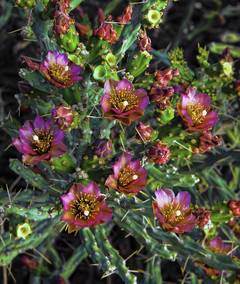
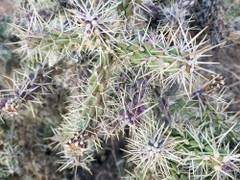
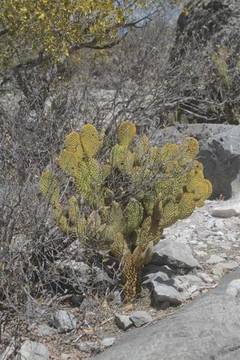
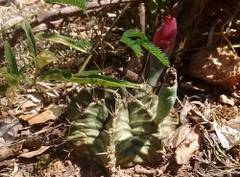
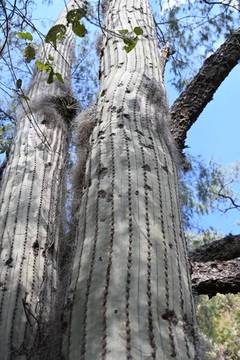
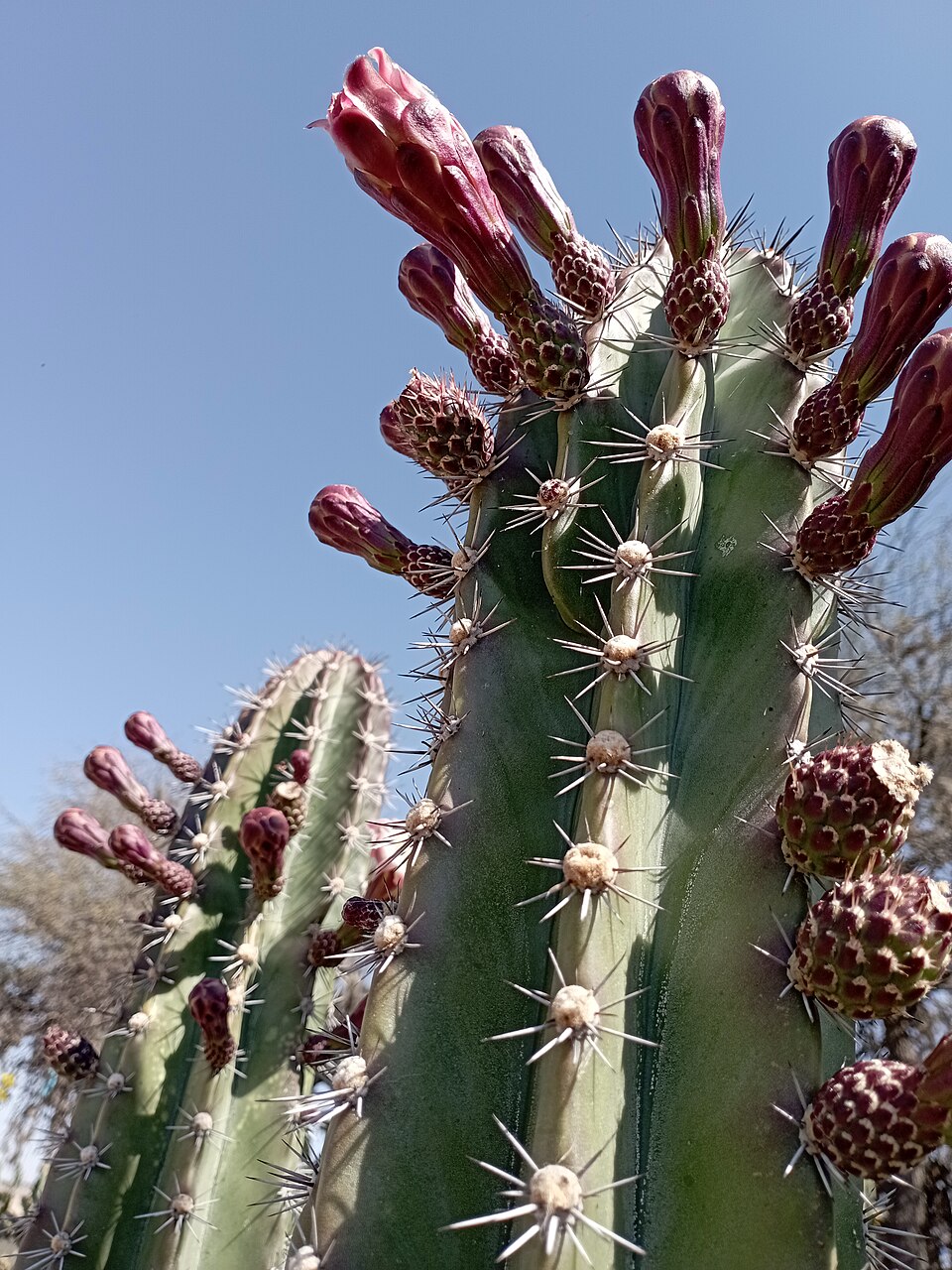
Stenocereus is a genus of about 24 species of columnar cacti in the family Cactaceae, native to arid and semi-arid regions of the Americas. Plants form ribbed, succulent green stems that branch from the base or a short trunk into candelabra-like clusters, reaching 6-25 feet (2-8 m) tall depending on species. The stems bear 5-20 prominent ribs lined with areoles carrying stout spines. Funnel-shaped flowers, 2-5 inches (5-12 cm) long in white, cream, pink, or purple, open mainly at night and are pollinated by bats and moths, closing by the following morning. The flowers are followed by rounded, spiny, often red- or purple-fleshed fruits 1.5-3.5 inches (4-9 cm) across, the edible pitayas harvested from several species such as S. queretaroensis and S. griseus. Stenocereus grows in desert scrub, thornforest, and rocky slopes, and is frost-tender, hardy only in warm, dry climates. The stout spines and eventual large size make these cacti hard to place in small spaces.
Native Range
Native to the warm, dry Americas, from the southwestern United States (Arizona) and Mexico through Central America to the Caribbean and northern South America. Plants grow in desert scrub, dry thornforest, and rocky hillsides, usually in full sun on sharply drained sandy or stony soils.Suggested Uses
Used as a sculptural specimen in desert, gravel, and xeriscape gardens in frost-free regions, and as a container plant moved under cover for winter elsewhere. Several species are grown for their edible pitaya fruit. The columnar form gives vertical structure among lower succulents, with plants spaced several feet apart to allow for branching.How to Identify
Appearance
Size & Dimensions
Height6' - 25'
Width/Spread3' - 12'
Bloom Information
Flowering occurs mainly from spring into summer, with the exact timing varying by species and rainfall. Each funnel-shaped flower opens after dusk and closes by mid-morning, so the bloom is seen at night or in early light. Fruit ripens over the following weeks, often in summer.
Detailed Descriptions
Flower Description
white, cream, pink, or purpleFoliage Description
green stems; leaves absentGrowing Conditions
Sun Requirements
Requires 8-12 hours of direct sunlight daily
• Full Sun: 6+ hours of direct sunlight
• Partial Shade: 3-6 hours of direct sunlight
• Full Shade: Less than 3 hours of direct sunlight
Care & Maintenance
Care Guide
Stenocereus are grown in full sun in very free-draining, gritty or sandy soil, mimicking their native desert ground. Watering is moderate during warm growth and sparse in winter, when wet, cold soil causes rot. The genus is frost-tender, suited to roughly USDA zones 9b-11, and stems are scarred or killed by frost. Plants withstand long drought once established and need little feeding. Propagation is from seed or from stem cuttings left to callus before potting. In cool climates they are grown in containers of cactus mix and kept dry and frost-free over winter.Pruning
Routine pruning is not needed. Damaged, diseased, or misplaced branches are cut at a rib joint with a clean blade, and the cut is left to dry and callus. Removed sections can be rooted as new plants.Container Growing
Suitable for container growing