Cylindropuntia, Genus, whipplei, Species,
- Genus & species
Whipple's cholla
Colorado Plateau region from Utah and Colorado south through Arizona and New Mexico
Overview
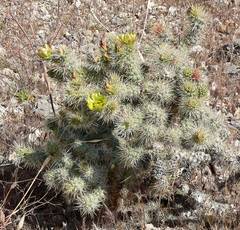
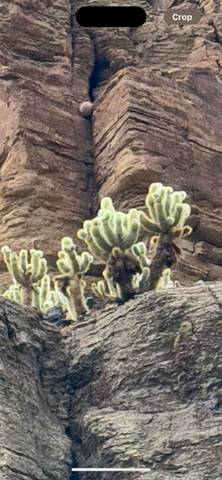
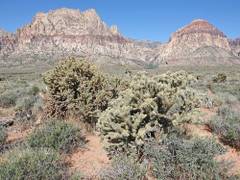
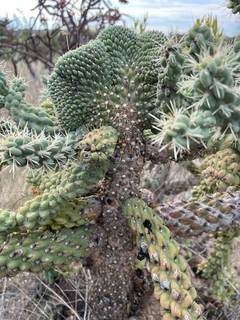
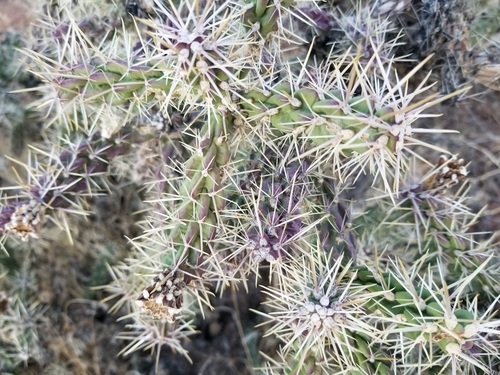
Cylindropuntia whipplei is a branching cholla cactus that grows 24–72 inches (60–180 cm) tall and 24–48 inches (60–120 cm) wide. The species is named for Lt. Amiel Weeks Whipple, who led a Pacific Railroad survey expedition through the Southwest in the 1850s. Cylindrical green stem segments 0.5–0.75 inch (1.3–2 cm) in diameter bear dense clusters of pale straw to white barbed spines covered in papery sheaths that catch and reflect light, giving the plant a shimmering, backlit appearance when the sun is low. Yellow to greenish-yellow flowers 1–1.5 inches (2.5–4 cm) across appear at stem tips in May and June. The species is native to the Colorado Plateau region at elevations of 4,500–7,500 feet (1,400–2,300 m) and is cold-hardy to zone 5 in dry, well-drained conditions. The pale spine color creates a lighter, more luminous appearance than darker-spined chollas. Stem segments detach easily on contact and attach by the barbed spines to passing animals, clothing, and skin — a dispersal mechanism that also creates a handling hazard. Fallen segments root where they land. In wet winter soil, root rot develops and cold tolerance decreases. The species intergrades with C. viridiflora in parts of its range.
Native Range
Cylindropuntia whipplei is native to the Colorado Plateau region of the southwestern United States, from Utah and western Colorado south through northern Arizona and New Mexico. It grows on dry mesas, piñon-juniper woodlands, and rocky slopes at 4,500–7,500 feet (1,400–2,300 m) elevation.Suggested Uses
Used in xeriscape gardens, high-desert rock gardens, and cactus collections. Position where low-angle sun backlights the pale spine sheaths for the shimmering effect. Container culture works in pots of 5 gallons (19 liters) or more with gritty media. The cold hardiness (zone 5) allows use in northern xeriscape plantings where most chollas cannot survive.How to Identify
Appearance
Size & Dimensions
Height2' - 6'
Width/Spread2' - 4'
Bloom Information
Detailed Descriptions
Flower Description
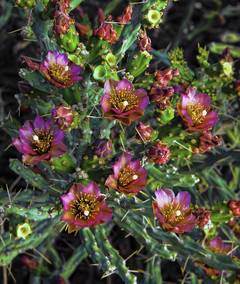
Yellow to greenish-yellowFoliage Description
Green cylindrical stem segments with dense pale straw to white spinesGrowing Conditions
Sun Requirements
Requires 8-12 hours of direct sunlight daily
• Full Sun: 6+ hours of direct sunlight
• Partial Shade: 3-6 hours of direct sunlight
• Full Shade: Less than 3 hours of direct sunlight
Care & Maintenance
Care Guide
Plant in full sun with at least 8 hours of direct light. Dry, sharply drained sandy or rocky soil. Do not irrigate or fertilize once established. Hardy to zone 5 in dry conditions. Wear thick leather gloves and use tongs for handling. Remove fallen stem segments to prevent rooting. The pale spines are most visible when backlit by low sun — position accordingly.Pruning
No pruning is needed. Remove fallen stem segments. Handle with thick gloves and tongs.Container Growing
Suitable for container growing
Minimum container size: 5 gallons