Stachytarpheta, Genus, spp., Multiple species,
- Genus
- Multiple species
porterweeds
Overview
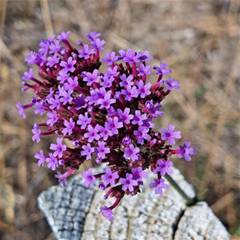
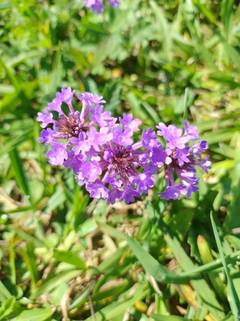
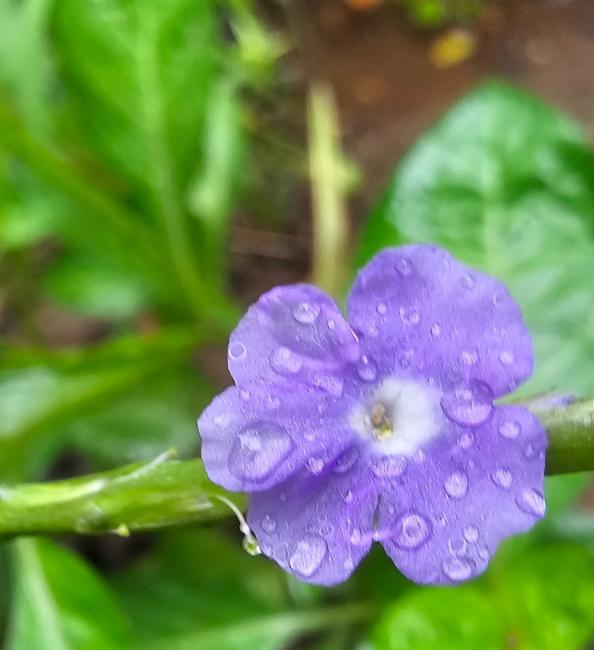
Stachytarpheta is a genus of about 130 herbs, subshrubs, and shrubs in the family Verbenaceae, known as porterweeds, native to tropical and subtropical America. Plants grow 2-6 feet (0.6-1.8 m) tall with branching stems and coarse, toothed, dark green leaves 1-5 inches (2.5-13 cm) long. The flowers are small, about 0.3-0.6 inch (8-15 mm) wide, and set into slender erect or arching spikes 6-20 inches (15-50 cm) long, opening a few at a time along the spike from the base upward. Flower color ranges across blue, purple, red, pink, and white depending on species. Several species are grown in warm-climate gardens and draw butterflies, bees, and hummingbirds to the nectar-rich flowers. The genus grows as a tender evergreen in frost-free climates and is treated as an annual or container plant in regions with cold winters. Plants bloom over a long season in heat but stop in cool weather and die at frost. Some species, such as S. cayennensis, have naturalized and become weedy in tropical regions outside their native range.
Native Range
Stachytarpheta is native to tropical and subtropical parts of the Americas, from the southern United States and Mexico through Central America, the Caribbean, and South America. Several species have naturalized across tropical Africa, Asia, the Pacific, and Australia, where they grow on roadsides and disturbed land.Suggested Uses
Grown in pollinator and butterfly gardens, mixed borders, and large containers in warm climates. Taller species are used as informal flowering screens, and trailing types suit hanging baskets. The genus is grown for a long warm-season nectar source.How to Identify
Appearance
Size & Dimensions
Height2' - 6'
Width/Spread2' - 4'
Bloom Information
Flowering continues over a long warm season, in frost-free climates nearly year-round and elsewhere from late spring until frost. A small number of flowers open each day along each spike, so a plant carries many spikes in different stages at once. Bloom stops in cool weather.
Detailed Descriptions
Flower Description
blue, purple, red, pink, or whiteFoliage Description
dark greenGrowing Conditions
Sun Requirements
Requires 6-10 hours of direct sunlight daily
• Full Sun: 6+ hours of direct sunlight
• Partial Shade: 3-6 hours of direct sunlight
• Full Shade: Less than 3 hours of direct sunlight
Care & Maintenance
Care Guide
Stachytarpheta species grow in full sun to light shade in moist, well-drained soil with a pH near 6.0-7.5. The genus needs warmth and steady moisture for continuous bloom and stops flowering in cool conditions. Plants tolerate heat and humidity and recover quickly after cutting back. In frost-free zones 9b-11 they grow as evergreen perennials, while in colder areas they are grown as annuals or overwintered indoors. Light feeding during the growing season supports the long bloom period. Drought slows flowering and causes leaf drop.Pruning
Stems are cut back by a third during the growing season to keep plants bushy and to renew the flowering spikes. Clearing old spikes brings on new ones. In frost-free climates a hard cutback in early spring controls size and shape.Container Growing
Suitable for container growing
Minimum container size: 3 gallons