Stachys, Genus, palustris, Species,
- Genus & species
marsh woundwort
Europe, temperate Asia, and northern North America
Overview
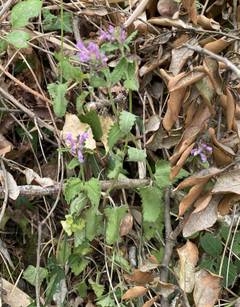
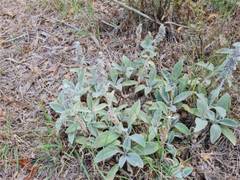
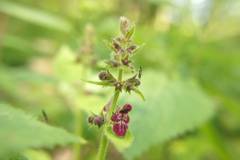
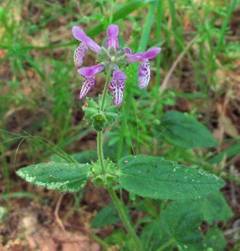
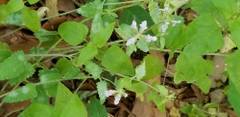
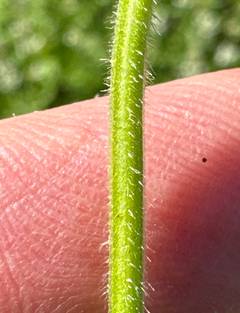
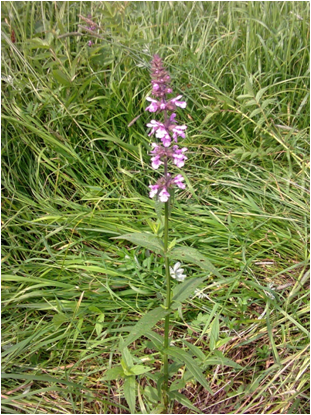
Stachys palustris is a rhizomatous perennial in the mint family (Lamiaceae), growing 16–40 inches (40–100 cm) tall and spreading by underground runners. The square stems are upright and clothed in soft hairs, bearing opposite, lance-shaped leaves 2–5 inches (5–12 cm) long with toothed margins that release a rank scent when crushed. From June to September it produces whorled spikes of dull purple-pink, two-lipped flowers about 0.5 inch (12–15 mm) long, the lower lip marked with white patterning. The plant spreads quickly in moist ground and colonizes ditches, marsh margins, and damp arable fields. It forms slender white tubers at the rhizome tips that were historically boiled and eaten as a root vegetable. The nectar-rich flowers draw bees and hoverflies through the summer. Its running rhizomes make it difficult to contain in cultivated beds, and it is treated as a weed in some farming regions. The plant dies back to the rootstock in winter and regrows from rhizomes each spring. Foliage and tubers are non-toxic. It tolerates seasonally waterlogged soils that would kill many border perennials.
Native Range
Native across Europe, temperate Asia, and northern North America, with a broadly circumboreal distribution. It grows in wet meadows, fen margins, ditches, and the edges of ponds and slow streams.Suggested Uses
Used at pond and stream margins, in bog gardens, and in damp wildlife plantings where its spread is acceptable. Suited to rain gardens and seasonally flooded ground. Grown as a nectar source for bees and hoverflies in naturalistic schemes.How to Identify
Appearance
Size & Dimensions
Height1'4" - 3'4"
Width/Spread2' - 4'
Bloom Information
Blooms from June to September, with peak flowering in July and August. Each whorled spike opens from the base upward over several weeks. Flowers are followed by small nutlets that ripen in late summer and autumn.
Detailed Descriptions
Flower Description
dull purple-pink with white markingsFoliage Description
mid greenGrowing Conditions
Sun Requirements
Requires 4-8 hours of direct sunlight daily
• Full Sun: 6+ hours of direct sunlight
• Partial Shade: 3-6 hours of direct sunlight
• Full Shade: Less than 3 hours of direct sunlight
Care & Maintenance
Care Guide
Grows in full sun to part shade on consistently moist to wet soils with a pH of 5.5–7.5. It grows densely in heavy clay and waterlogged ground where drainage is poor. No irrigation is needed in damp sites, though foliage wilts in prolonged drought. The running rhizomes spread widely, so a buried barrier or a contained bed limits its expansion. Stems cut back after flowering reduce self-seeding. Hardy in USDA zones 4 to 8 and undemanding once established.Pruning
Stems are cut to the base after flowering to limit seeding and tidy the clump. Dividing the rhizome mass in spring or autumn controls its spread and renews growth. Runners pulled as they appear keep the plant within bounds.Pruning Schedule
Prune: September–October
fall