Stachys, Genus, bullata, Species,
- Genus & species
California hedge nettle
Overview
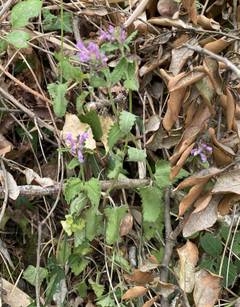
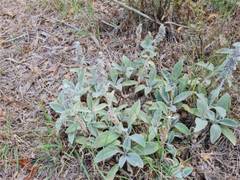
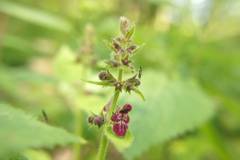
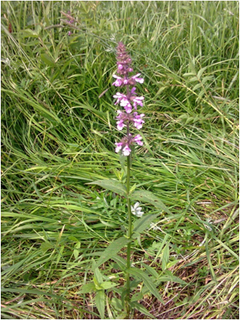
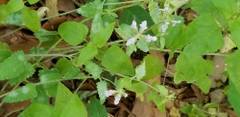
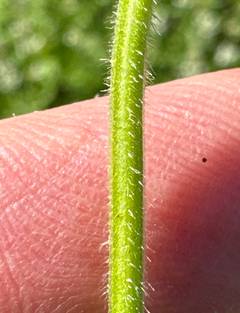
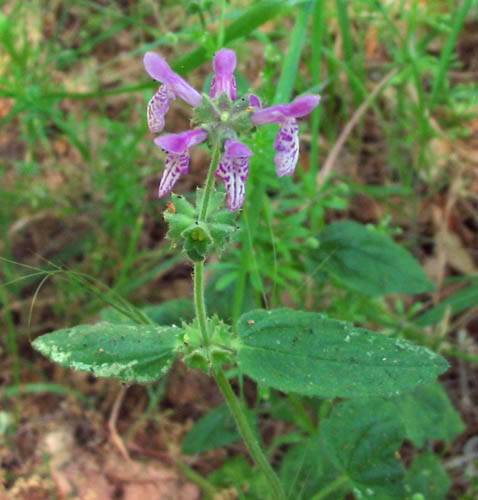
Stachys bullata is a rhizomatous perennial in the mint family, native to the Coast Ranges of California. Square stems rise 12-36 inches (30-90 cm) from spreading roots, clothed in soft-hairy, wrinkled leaves 1.5-4 inches (4-10 cm) long that release a pungent scent when crushed. From April to July, whorls of two-lipped flowers form interrupted spikes at the stem tips. Each flower is 0.5-0.75 inch (1.2-2 cm) long, pink to rose-purple, with darker veining on the lower lip. The species grows in partial to full shade within coastal scrub, chaparral edges, and oak woodland, on soils that dry through summer. It spreads steadily by rhizomes and can colonize open ground, which limits its use in small, mixed plantings. Foliage dies back after flowering as soils dry, returning with autumn and winter rains. Flowers draw bees and hummingbirds, and the aromatic leaves are generally left alone by deer. Plants tolerate clay and seasonal drought once roots are established but decline in soils that stay wet through summer.
Native Range
Native to the Coast Ranges of central and southern California, from the San Francisco Bay Area south toward Baja California. It grows in coastal scrub, chaparral, and oak woodland below 3,000 feet (900 m).Suggested Uses
Grown in native and habitat gardens, on shaded slopes, and along woodland or chaparral edges. Spaced 18-24 inches (45-60 cm) apart, plants fill in as a spreading groundcover under oaks. Used in pollinator and hummingbird plantings in coastal California gardens.How to Identify
Appearance
Size & Dimensions
Height1' - 3'
Width/Spread1' - 2'
Bloom Information
Detailed Descriptions
Flower Description
Pink to rose-purple, two-lippedFoliage Description
Green, soft-hairy, wrinkled, aromaticGrowing Conditions
Sun Requirements
Requires 2-6 hours of direct sunlight daily
• Full Sun: 6+ hours of direct sunlight
• Partial Shade: 3-6 hours of direct sunlight
• Full Shade: Less than 3 hours of direct sunlight
Care & Maintenance
Care Guide
Grows in partial to full shade in well-drained soil, tolerating clay, sand, and seasonal summer drought once established. Water occasionally through the first dry season, then reduce; established plants need little summer irrigation near the coast. Soils that stay wet through summer cause root rot and decline. Cut stems to the ground after bloom as foliage yellows in summer dormancy. Rhizomes spread to form patches, giving lateral growth that can crowd small neighbors. Divide clumps in autumn as winter rains begin.Pruning
Cut flowering stems to the base after bloom, usually in July or August as foliage enters summer dormancy. Remove dead growth before new shoots emerge with autumn rains. Thin spreading rhizomes yearly to contain the patch.Pruning Schedule
Prune: July–August
summer
Container Growing
Suitable for container growing
Minimum container size: 2 gallons