Image 1 of 12
1 / 12
Plant Reference
Stachys, Genus, officinalis, Species,
- Genus & species
wood betony
Europe, from Britain and western France east to Ukraine and western Russia, south through the Balkans and Mediterranean; open grasslands, heathland, and light woodland.
Overview
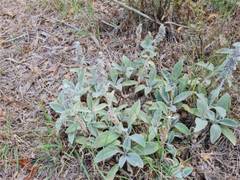
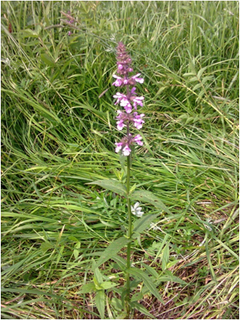
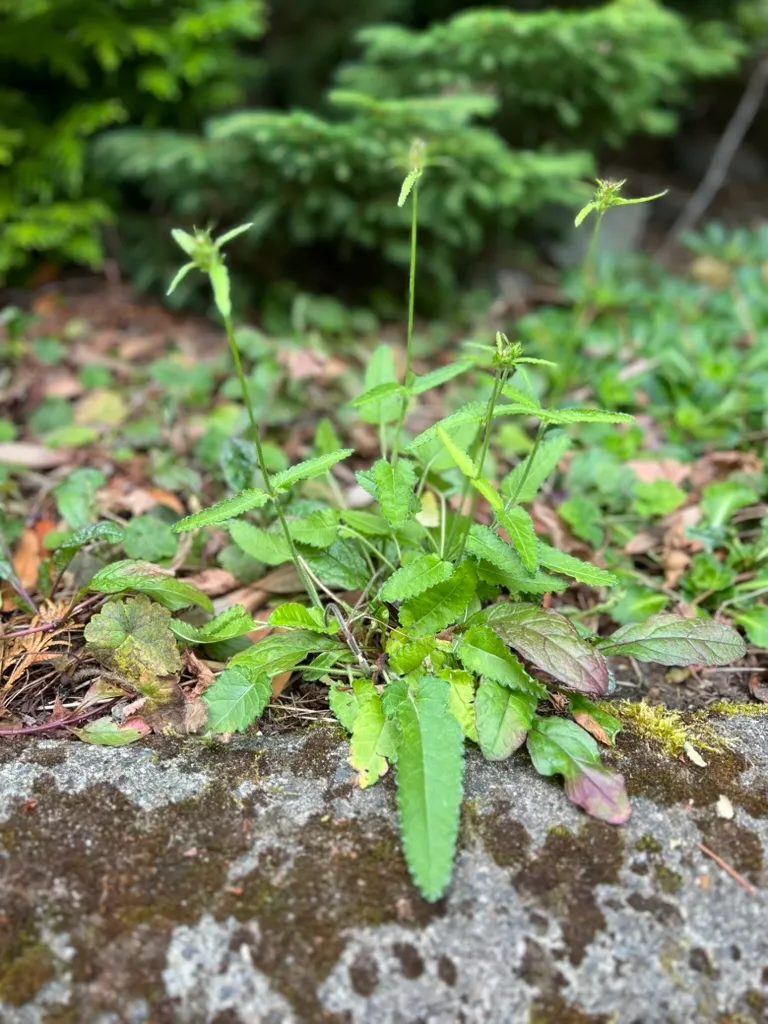
Stachys officinalis (synonym Betonica officinalis) is a deciduous clumping perennial reaching 12-24 inches (30-60 cm) tall and 12-18 inches (30-45 cm) wide. Basal leaves are oblong to ovate, 2-4 inches (5-10 cm) long, prominently wrinkled (rugose), with scalloped margins and a mild scent when crushed; smaller leaf pairs appear on erect square stems. Dense cylindrical terminal flower spikes 2-3 inches (5-7 cm) long carry small two-lipped tubular flowers in rose-purple to magenta-pink from June through August. Hardy in USDA zones 4-8 (-30°F / -34°C). Cutting the whole plant back by half after the first flush in July-August produces a smaller second flush of spikes in September. The species was used as a European medicinal herb for more than a thousand years; the common name 'betony' has been proposed to derive from Celtic bew (head) and ton (good), referencing traditional use for headaches. 'Hummelo' is a compact garden cultivar at 12-18 inches (30-45 cm) with dense magenta spikes. Plants are a separate species from Stachys byzantina (lamb's ears), which has silver-woolly leaves and a mat-forming habit. Tolerates clay soils and supports bumblebees during bloom.
Native Range
Stachys officinalis is native to Europe, from Britain and western France east to Ukraine and western Russia, and south through the Balkans and the Mediterranean. It grows in open grasslands, heathland, and light woodland on well-drained to moderately moist soils.Suggested Uses
Planted in cottage gardens, meadow plantings, mixed perennial borders, and pollinator beds at 12-18 inch (30-45 cm) spacing in USDA zones 4-8. The compact habit, rugose foliage texture, and dense magenta spikes combine with ornamental grasses, Nepeta, Salvia, and yellow-flowered perennials such as Achillea and Rudbeckia. The cultivar 'Hummelo' at 12-18 inches (30-45 cm) suits smaller borders. Not grown in deep shade or consistently waterlogged soils, where flowering diminishes and crown rot can develop.How to Identify
Appearance
Size & Dimensions
Height1' - 2'
Width/Spread1' - 1'6"
Bloom Information
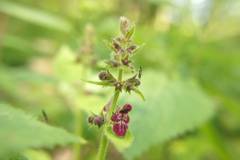
Dense cylindrical terminal spikes 2-3 inches (5-7 cm) long carry small two-lipped rose-purple to magenta-pink tubular flowers from June through August, with individual spikes remaining in color for 3-4 weeks. Cutting the whole plant back by half immediately after the first flush in July-August produces a smaller second flush of spikes in September. Bumblebees work the flowers during bloom.
Detailed Descriptions
Flower Description
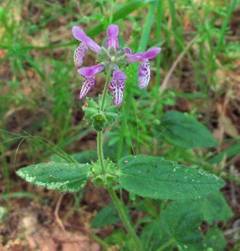
Rose-purple to magenta-pink; small two-lipped tubular flowers in dense cylindrical terminal spikes 2-3 inches (5-7 cm) long on erect square stemsFoliage Description
Medium green, oblong to ovate, prominently wrinkled (rugose), with scalloped margins; mildly aromatic when crushed; basal rosette with pairs of smaller leaves up the square stemsGrowing Conditions
Sun Requirements
Requires 4-8 hours of direct sunlight daily
• Full Sun: 6+ hours of direct sunlight
• Partial Shade: 3-6 hours of direct sunlight
• Full Shade: Less than 3 hours of direct sunlight
Care & Maintenance
Care Guide
Plants grow in part sun to full sun in well-drained, average soil with a pH of 5.5-7.0, including loam, clay, and sand. Hardy in USDA zones 4-8 (-30°F / -34°C). Plants tolerate heavier clay soils than most Mediterranean mints. Drought tolerant once established; supplemental water is only needed during the first growing season. Divide every 3-4 years in early spring when the center of the clump thins. No significant pest or disease issues in most climates.Pruning
Cut the whole plant back by half immediately after the first flush of bloom in July-August to produce a smaller second flush in September. Cut all stems to 2-3 inches (5-8 cm) above ground in late fall or early spring before new growth begins. Divide every 3-4 years in early spring to maintain clump vigor.Pruning Schedule
Prune: March & July–August
summerearly spring