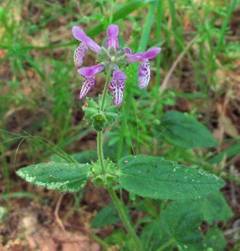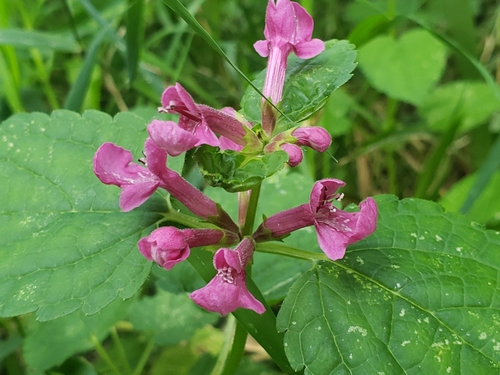
Stachys, Genus, chamissonis, Species,
- Genus & species
coastal hedge-nettle
Overview
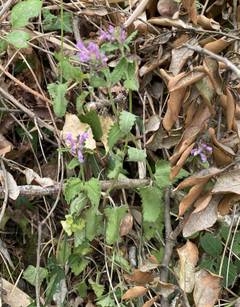
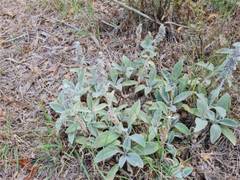
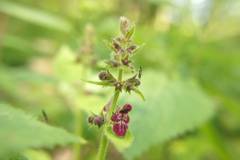
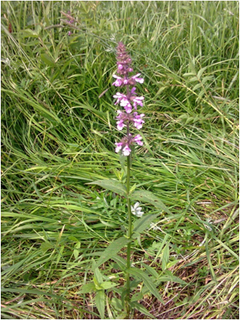
Stachys chamissonis is an upright, rhizomatous perennial in the mint family, growing 2-5 feet (0.6-1.5 m) tall and spreading 2-3 feet (60-90 cm) wide. The square stems and large, wrinkled leaves are covered in soft hairs, and the foliage gives off a pungent scent when bruised. From late spring into summer it bears whorls of tubular, two-lipped flowers in rose-purple to magenta, stacked in interrupted spikes 6-12 inches (15-30 cm) long. The plant is native to the Pacific coast of North America, growing in marshes, wet meadows, streambanks, and moist coastal scrub. It grows in full sun to part shade and grows in soil that stays moist; in dry sites it wilts and the leaf edges brown. It spreads by creeping rhizomes and can form broad colonies in suitable wet ground. The flowers draw bees, butterflies, and hummingbirds. Foliage dies back in winter in colder areas and regrows from the roots in spring. Plants may flop in rich soil or shade and can be cut back to stay upright. Hardy in USDA zones 7-10.
Native Range
Stachys chamissonis is native to the Pacific coast of North America, from British Columbia south through Washington, Oregon, and California. It grows in coastal marshes, wet meadows, streambanks, and moist scrub near the ocean.Suggested Uses
Used in rain gardens, pond and stream margins, and moist borders. Suited to coastal and wetland restoration plantings where it spreads to cover ground. Spaced 24-36 inches (60-90 cm) apart in groups.How to Identify
Appearance
Size & Dimensions
Height2' - 5'
Width/Spread2' - 3'
Bloom Information
Detailed Descriptions
Flower Description
Rose-purple to magentaFoliage Description
GreenGrowing Conditions
Sun Requirements
Requires 4-8 hours of direct sunlight daily
• Full Sun: 6+ hours of direct sunlight
• Partial Shade: 3-6 hours of direct sunlight
• Full Shade: Less than 3 hours of direct sunlight
Care & Maintenance
Care Guide
Grow in full sun to part shade in moist to wet, fertile soil; the plant tolerates seasonal flooding and heavy clay. Water regularly, as it declines in dry soil. It spreads by rhizomes and can be divided in spring to control or expand the planting. Cut stems back after bloom to limit flopping and reseeding. Foliage dies down in winter and returns in spring. No fertilizer is needed in fertile, moist ground.Pruning
Cut spent flower spikes back after bloom to tidy the plant and reduce self-seeding. Remove dead stems to the ground in late fall or winter. Shear floppy growth in summer to keep plants upright.Pruning Schedule
Prune: August & November
summerfall
Container Growing
Suitable for container growing
Minimum container size: 3 gallons