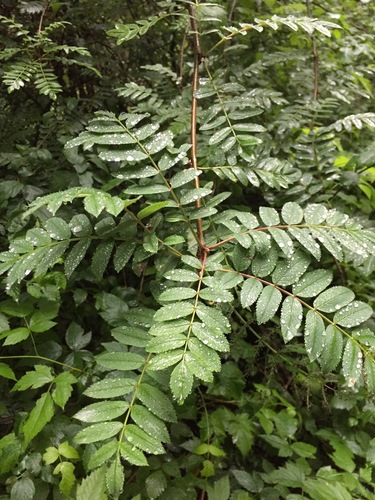
Sorbus, Genus, spp., Multiple species,
- Genus
- Multiple species
rowans and mountain ashes
Cool temperate Europe, Asia, and North America
Overview
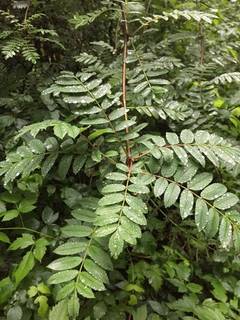
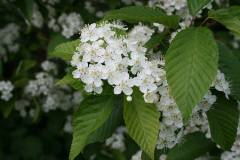
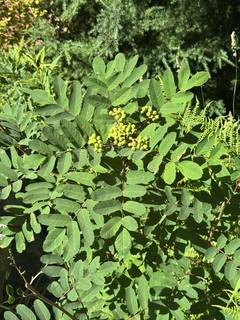
Sorbus is a genus of deciduous trees and shrubs in the rose family (Rosaceae), comprising roughly 100 to 200 species distributed across the cool temperate regions of Europe, Asia, and North America. Plants range from 15 to 50 feet (4.6 to 15 m) tall, with rounded to oval crowns spreading 10 to 25 feet (3 to 7.6 m). The genus divides into two broad foliage groups: rowans such as S. aucuparia carry pinnately compound leaves with 9 to 17 toothed leaflets, while whitebeams such as S. aria bear simple leaves with white-felted undersides. White to cream flowers, occasionally pink, open in flat-topped clusters 3 to 6 inches (8 to 15 cm) across in late spring. These give way to clusters of small pome fruits, 0.2 to 0.5 inch (5 to 13 mm) wide, ripening to red, orange, pink, or white in late summer and autumn. Foliage turns red, orange, yellow, or purple before leaf drop. Raw fruit and seeds contain parasorbic acid and cyanogenic compounds that can cause stomach upset if eaten in quantity. Many species are short-lived, declining after 40 to 80 years, and are susceptible to fireblight and canker in warm, humid climates.
Native Range
Sorbus spans the cool temperate Northern Hemisphere, with species native to Europe, northern and central Asia, and North America. S. aucuparia ranges across Europe to Siberia, while S. americana and S. decora occur in northeastern North America.Suggested Uses
Sorbus species are grown as specimen and street trees for their spring flowers, autumn fruit, and fall foliage color. Smaller species and shrubs suit mixed borders and wildlife plantings, where the fruit feeds thrushes, waxwings, and other birds. Spacing of 15 to 25 feet (4.6 to 7.6 m) suits the larger tree forms.How to Identify
Appearance
Size & Dimensions
Height15' - 50'
Width/Spread10' - 25'
Bloom Information
Flowering occurs in late spring, typically May to June, with flat-topped corymbs lasting about 2 to 3 weeks. Fruit ripens from August through October and can persist into winter where birds do not strip it. Bloom timing shifts earlier in mild maritime climates and later at high elevations.
Detailed Descriptions
Flower Description
white to cream, occasionally pinkFoliage Description
green, turning red, orange, yellow, or purple in autumnGrowing Conditions
Sun Requirements
Requires 6-8 hours of direct sunlight daily
• Full Sun: 6+ hours of direct sunlight
• Partial Shade: 3-6 hours of direct sunlight
• Full Shade: Less than 3 hours of direct sunlight
Care & Maintenance
Care Guide
Most Sorbus grow in full sun to light shade and tolerate a range of well-drained soils at pH 5.5 to 7.0, though they perform poorly in waterlogged or compacted ground. Plants grow most reliably in cool summers and may decline where summer heat is sustained above 90 F (32 C). Water young trees during dry spells for the first two to three years; established plants need supplemental water only in extended drought. The genus is hardy across USDA zones 2 to 7, with rowans tolerating colder conditions than whitebeams. Fireblight, canker, and borers are recurring problems in warm, humid regions. Feeding is rarely needed in moderately fertile soil.Pruning
Prune Sorbus in late winter while dormant to remove dead, crossing, or damaged wood and to maintain a single leader. Heavy cuts can invite canker and encourage weak watersprout regrowth. Major limb removal is generally limited to branches under 2 inches (5 cm) in diameter.Pruning Schedule
Prune: February–March
winterearly spring