Image 1 of 17
1 / 17
Plant Reference
Sorbus, Genus, aucuparia, Species,
- Genus & species
European mountain ash
Europe and western Asia — from Iceland to Siberia and the Caucasus; mountain woodlands, rocky slopes, and forest edges from sea level to alpine treeline
Overview
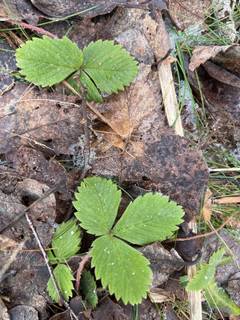
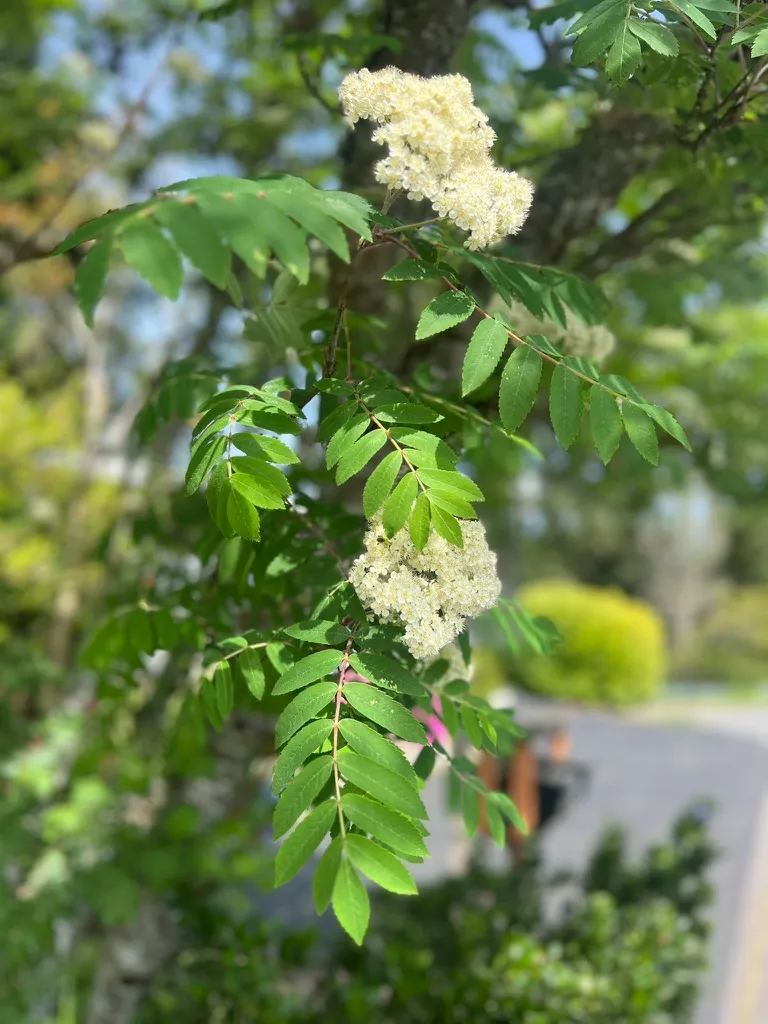
Sorbus aucuparia is European mountain ash (rowan), an upright deciduous tree growing 20-40 feet (6-12 m) tall and 15-25 feet (4.5-7.5 m) wide with a rounded to oval crown. Dark green pinnately compound leaves with 9-15 serrated leaflets each 1-2.5 inches (2.5-6 cm). Creamy-white tiny flowers in flat-topped compound corymbs 3-5 inches (7-13 cm) in May. Dense clusters of bright orange-red berries (pomes) 0.3 inch (8 mm) ripen August-September. Turns yellow, orange, and red in fall. Not a true ash (Fraxinus) — the compound leaves are superficially similar. In Rosaceae. Native to Europe and western Asia. Fire blight (Erwinia amylovora) is the primary disease concern — entire branches or the whole tree can be killed. Does not tolerate hot dry summers — declines in zones 8+ and in hot humid southeastern US conditions. This heat intolerance is the primary limitation in warm climates. Borers and sunscald on thin bark are secondary concerns. The berries are mildly toxic raw to humans (parasorbic acid) but edible when cooked. Short-lived (30-50 years). Deer browse. Zones 3-7. Full sun. Growth rate is moderate.
Native Range
Native to Europe and western Asia — from Iceland to Siberia and the Caucasus. Found in mountain woodlands, rocky slopes, and forest edges from sea level to alpine treeline.Suggested Uses
Grown as a specimen tree and street tree in cool-summer climates spaced 15-25 feet (4.5-7.5 m). Orange-red berry clusters for wildlife. Not for hot climates. Fire blight susceptible. Short-lived. Zones 3-7.How to Identify
Appearance
Size & Dimensions
Height20' - 40'
Width/Spread15' - 25'
Bloom Information
Late spring (May). Creamy-white tiny flowers in flat-topped compound corymbs 3-5 inches (7-13 cm). 2 weeks of bloom. Bee-pollinated. Dense orange-red berry clusters ripen August-September.
Detailed Descriptions
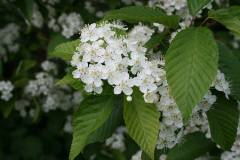
Flower Description
Creamy-white, tiny, in flat-topped compound corymbs 3-5 inches (7-13 cm) across at branch tips in MayFoliage Description
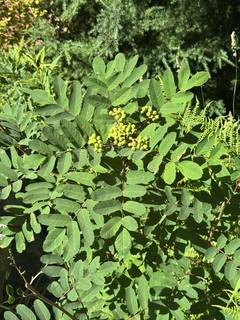
Dark green, alternate, pinnately compound with 9-15 serrated leaflets each 1-2.5 inches (2.5-6 cm); turns yellow, orange, and red in fallGrowing Conditions
Sun Requirements
Requires 6-10 hours of direct sunlight daily
• Full Sun: 6+ hours of direct sunlight
• Partial Shade: 3-6 hours of direct sunlight
• Full Shade: Less than 3 hours of direct sunlight
Care & Maintenance
Care Guide
Full sun (6+ hours). Well-drained soil pH 5.5-7.0. Does not tolerate hot dry summers — declines in zones 8+ and in hot humid conditions. Fire blight (Erwinia amylovora) — remove infected branches 12 inches (30 cm) below infection, disinfect tools. Borers attack stressed trees. Short-lived (30-50 years). Not drought-tolerant. Prune in winter (January-February). Deer browse. Zones 3-7.Pruning
Prune in winter (January-February). Remove dead, crossing, or fire-blight-infected branches — cut 12 inches (30 cm) below visible infection and disinfect tools between cuts. Develop a central leader when young. The rounded to oval crown is natural.Pruning Schedule
Prune: January–February
winter