Silene, Genus, virginica, Species,
- Genus & species
fire pink
Overview
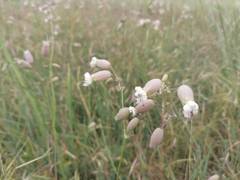
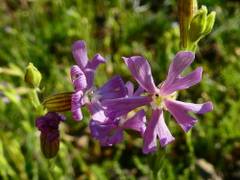
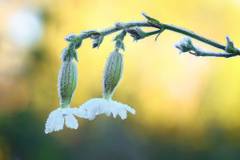
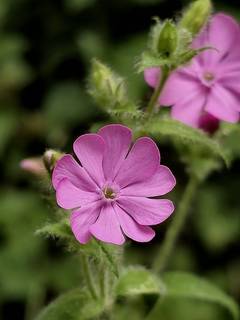
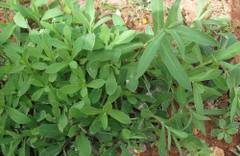
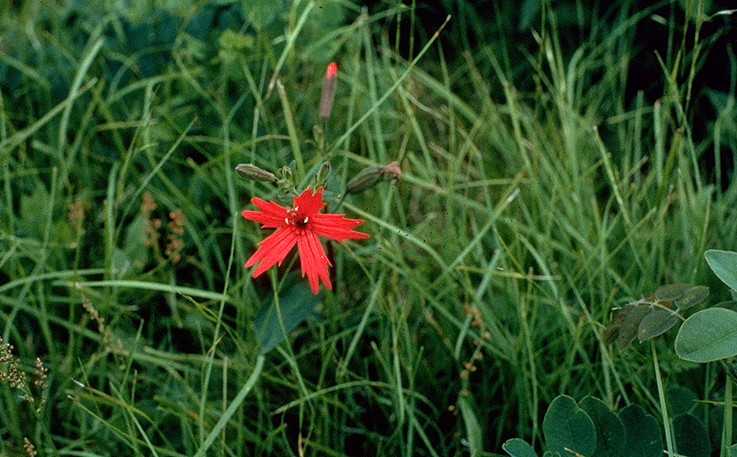
Silene virginica is a short-lived perennial in the pink family, forming a low basal rosette of spoon-shaped to lance-shaped leaves from which rise slender, sticky-haired flowering stems 6-24 inches (15-60 cm) tall. From mid spring into early summer it carries loose clusters of crimson-red flowers 1-1.5 inches (2.5-4 cm) across, each with five narrow petals notched or split at the tip into a forked edge. The sticky stems and calyx trap small insects, giving the genus the name catchfly. The tubular flower base and red color draw hummingbirds, the chief pollinators. Native to open woods, rocky slopes, and clearings across eastern and central North America, it grows in lean, well-drained soil and part shade. It is usually short-lived, persisting two to four years, but self-sows where conditions suit. Foliage often stays as an overwintering rosette. The plant declines in heavy, wet soils and with rich feeding, which shorten its life.
Native Range
Native to eastern and central North America, from Ontario and New York south to Georgia and west to Oklahoma. It grows in open woodlands, wooded slopes, rocky clearings, and roadbanks.Suggested Uses
Silene virginica is grown in woodland edges, rock gardens, native plantings, and shaded slopes, and naturalizes from self-sown seed. Its red flowers draw hummingbirds and some long-tongued insects.How to Identify
Appearance
Size & Dimensions
Height6" - 2'
Width/Spread6" - 1'
Bloom Information
Detailed Descriptions
Foliage Description
greenGrowing Conditions
Sun Requirements
Requires 3-6 hours of direct sunlight daily
• Full Sun: 6+ hours of direct sunlight
• Partial Shade: 3-6 hours of direct sunlight
• Full Shade: Less than 3 hours of direct sunlight
Care & Maintenance
Care Guide
Silene virginica grows in part shade to dappled sun in lean, gritty, sharply drained soil. It needs moderate moisture in spring but tolerates summer dryness once established, and declines in heavy or constantly wet ground. Plants are short-lived, so allowing some self-sowing keeps a planting going. It needs little or no fertilizer, which can weaken the rosettes. Crown rot can occur where drainage is poor or mulch sits against the base.Pruning
No formal pruning is needed. Spent flower stems can be removed after bloom, or left to ripen and drop seed for self-sowing. Tattered foliage can be tidied in spring.Container Growing
Suitable for container growing
Minimum container size: 1 gallons