Silene, Genus, laciniata, Species,
- Genus & species
cardinal catchfly
Southwestern United States and Mexico
Overview
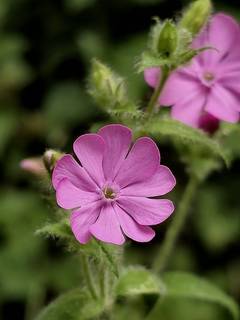
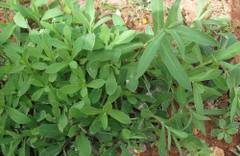
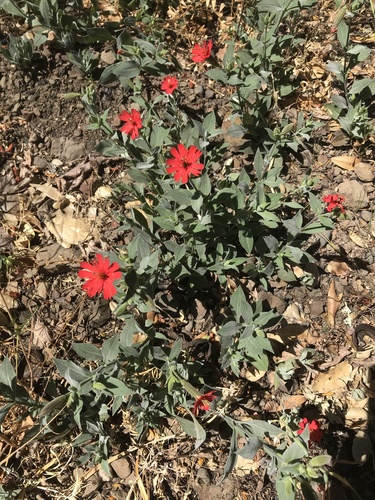
Silene laciniata is a herbaceous perennial in the Caryophyllaceae growing 12-36 inches (30-90 cm) tall and 12-24 inches (30-60 cm) wide from a woody taproot, with slender, often sprawling stems. The opposite, lance-shaped leaves are 1-4 inches (3-10 cm) long, mid-green, and covered with short sticky hairs that trap small insects, the trait behind the catchfly name. Scarlet flowers open from late spring through autumn, each 1-1.5 inches (2.5-4 cm) across, with five petals divided into four to six narrow lobes that give a deeply fringed outline above a tubular, sticky calyx. The red, long-throated flowers are pollinated mainly by hummingbirds. Seed develops in a capsule that opens by small teeth at the tip to release numerous tiny seeds. It grows on dry slopes, in chaparral, and in open pine-oak woodland, where it threads up through neighbouring shrubs for support. The sprawling stems can look untidy without nearby plants to lean on, and the sticky foliage collects dust and litter.
Native Range
Native to the southwestern United States and Mexico, from southern California east through Arizona and New Mexico and south into the Sierra Madre. It grows on dry rocky slopes, in chaparral, and in open pine and pine-oak woodland from the foothills to mid mountain elevations.Suggested Uses
Used in native plant gardens, hummingbird and pollinator borders, rock gardens, and dry slopes across the Southwest, spaced 12-18 inches (30-45 cm) apart. It threads through low shrubs and grasses that support its lax stems. The sprawling habit makes it poorly suited to formal, tightly clipped beds.How to Identify
Appearance
Size & Dimensions
Height1' - 3'
Width/Spread1' - 2'
Bloom Information
Blooms from late spring into autumn, mainly May through September, with heaviest flowering in early summer where soil stays moist. Plants flower over a long season but in flushes rather than continuously. Bloom is shorter and earlier on hot, dry sites.
Detailed Descriptions
Foliage Description
mid-greenGrowing Conditions
Sun Requirements
Requires 6-12 hours of direct sunlight daily
• Full Sun: 6+ hours of direct sunlight
• Partial Shade: 3-6 hours of direct sunlight
• Full Shade: Less than 3 hours of direct sunlight
Care & Maintenance
Care Guide
Grows in full sun to light shade in well-drained loam, sandy, or rocky soil with a pH near 6.0-7.5. Water needs are low to moderate; established plants tolerate summer drought, and flowering lengthens with occasional deep watering during dry weather. Sharp drainage is important, since wet, heavy soil leads to crown and root rot. Plants grow from a woody taproot, transplant poorly once mature, and are raised most readily from seed sown fresh. Hardy in USDA zones 7-10, with top growth dying back in winter and resprouting in spring.Pruning
Needs little pruning. Spent flower stems are cut back through the season to prolong bloom and limit self-seeding. Old top growth is removed at ground level in late winter before new shoots appear. Light support from neighbouring plants or twiggy stakes keeps the sprawling stems upright.Pruning Schedule
Prune: February–March
winter
Container Growing
Suitable for container growing
Minimum container size: 1 gallons