Serapias, Genus, spp., Multiple species,
- Genus
- Multiple species
tongue orchids
Overview
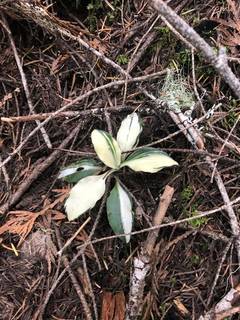
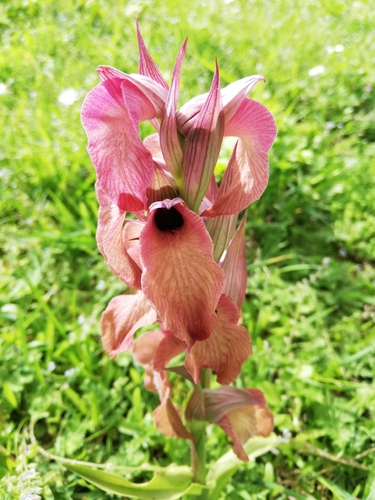
Serapias is a genus of about 15 to 40 terrestrial orchids in the family Orchidaceae, native to the Mediterranean basin and extending into the Atlantic fringe of western Europe, North Africa, and western Asia. Each plant grows from a pair of rounded underground tubers, sending up an upright stem 4-16 inches (10-40 cm) tall with a few narrow, sometimes spotted leaves. The flower structure sets the genus apart from other European orchids: the lower lip (labellum) is drawn out into a long, narrow, tongue-shaped lobe that hangs below a hooded helmet of sepals, in shades of brick-red, reddish-brown, and dull purple. The common name tongue orchid describes this projecting lip. Several species are pollinated when male solitary bees mistake the tubular flower for a sheltered roost and crawl inside, picking up pollen as they leave. Plants grow in damp winter meadows, garrigue, and open pine woodland on neutral to alkaline soil, growing through the cool, moist season and resting as dormant tubers through the dry Mediterranean summer. Like most wild orchids they depend on soil fungi and transplant poorly, and many populations are legally protected against collection.
Native Range
Native to the Mediterranean region, the Atlantic coasts of western Europe, North Africa, and western Asia, in seasonally damp meadows, garrigue, and open woodland.Suggested Uses
Grown by specialist growers in alpine houses, bulb frames, and Mediterranean raised beds with sharp drainage. In suitable climates the tubers naturalize in lean, sunny meadow turf. Wild plants are legally protected in many countries, so cultivated stock is raised from seed or nursery tubers.How to Identify
Appearance
Size & Dimensions
Height4" - 1'4"
Width/Spread4" - 8"
Bloom Information
Flowers in spring, roughly April to June depending on latitude and altitude. Each spike holds a few flowers that last several weeks. Pollination depends on solitary bees that shelter inside the tubular flowers.
Detailed Descriptions
Flower Description
brick-red, reddish-brown, or dull purpleFoliage Description
greenGrowing Conditions
Sun Requirements
Requires 4-10 hours of direct sunlight daily
• Full Sun: 6+ hours of direct sunlight
• Partial Shade: 3-6 hours of direct sunlight
• Full Shade: Less than 3 hours of direct sunlight
Care & Maintenance
Care Guide
Grows in full sun to light shade on free-draining, neutral to alkaline soil with a pH near 6.5-8.0. Plants follow a Mediterranean rhythm, growing through the cool, moist winter and spring and resting as dormant tubers through a dry summer. Water is given during autumn-to-spring growth and withheld once the foliage dies back. Hardiness is limited, with most species tolerating only light frost. The genus depends on symbiotic soil fungi and rarely survives transplanting from the wild. Cultivated plants are grown from seed or from nursery-raised tubers in a gritty, alkaline mix.Pruning
Spent flower spikes are cut off after blooming if seed is not wanted. The foliage is left to die back naturally so the tubers can mature for the next season. No other pruning is needed.Pruning Schedule
Prune: June–July
summer
Container Growing
Suitable for container growing
Minimum container size: 1 gallons