Oncidium, Genus, sphacelatum, Species,
- Genus & species
spider orchid bush
Mexico, Central America, northern South America
Overview
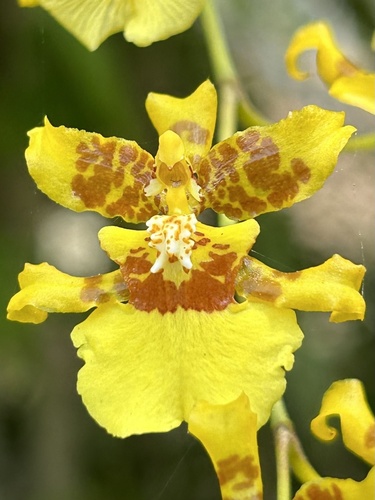
Oncidium sphacelatum is a yellow-flowered epiphytic orchid in the 'dancing lady' group, growing 18-36 inches (45-90 cm) with arching flower spikes 24-48 inches (60-120 cm). Tall branching flower spikes carry hundreds of small bright yellow flowers 0.75-1 inch (2-2.5 cm) with chestnut-brown markings on the lateral sepals and a prominent fan-shaped yellow lip — the dancing-lady silhouette comes from the lip's resemblance to a flared skirt. Each spike can carry 100-200 flowers and remain in bloom for 4-6 weeks. Pseudobulbs 4-6 inches (10-15 cm) tall with strap-like leaves. Native to Mexico through Central America to northern South America, growing as an epiphyte in seasonally dry tropical forests. Despite the common name 'Spider Orchid', this is not in the Brassia spider orchid group — the common name is loosely applied. Mounted on bark, slabs, or in baskets with bark mix. Bright filtered light. Distinct dry-rest period in winter triggers spring blooming. Non-toxic. Containers of 1-3 gallons (4-11 liters) for younger plants. Frost-tender at 35°F (2°C). Zones 10-11 outdoors; greenhouse or indoor culture in cooler zones.
Native Range
Native to Mexico, Central America (Guatemala to Costa Rica), and northern South America (Colombia, Venezuela). Grows as an epiphyte in seasonally dry tropical forests at moderate elevations.Suggested Uses
Mounted on cork bark, slabs, or grown in baskets with bark mix in greenhouses, sunrooms, and tropical gardens (zones 10-11). The massive yellow-flowered spike display in spring is the cultivation goal. Non-toxic. Entry-level epiphytic orchid for collectors with the space for the long flower spikes.How to Identify
Appearance
Size & Dimensions
Height1'6" - 3'
Width/Spread1' - 1'6"
Bloom Information
Spring (March-May) following winter dry rest, lasting 4-6 weeks. Hundreds of small yellow flowers per spike. Massed yellow display when established plants bloom heavily.
Detailed Descriptions
Flower Description
Bright yellow with chestnut-brown sepal markings; fan-shaped yellow lipFoliage Description
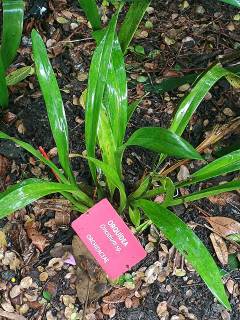
Medium green, strap-like, on pseudobulbsGrowing Conditions
Sun Requirements
Requires 4-6 hours of direct sunlight daily
• Full Sun: 6+ hours of direct sunlight
• Partial Shade: 3-6 hours of direct sunlight
• Full Shade: Less than 3 hours of direct sunlight
Care & Maintenance
Care Guide
Bright filtered light. Mounted on bark or in bark mix. Distinct winter dry rest triggers spring bloom — water sparingly November-February. Frost-tender at 35°F (2°C). Non-toxic. Zones 10-11 outdoors; indoor or greenhouse culture in cooler climates.Pruning
Spent flower spikes are cut at the base after blooming. Old shriveled pseudobulbs (back bulbs) are left in place — they store reserves for the active growth. Yellowing or damaged leaves are removed.Container Growing
Suitable for container growing
Minimum container size: 1 gallons