Image 1 of 3
1 / 3
Plant Reference
Phalaenopsis, Genus, spp., Multiple species,
- Genus
- Multiple species
moth orchid
Tropical and subtropical Asia and Australia (the broader native range covers tropical and subtropical India, Southeast Asia, southern China, the Philippines, Indonesia, New Guinea, and northern Australia); humid tropical-rainforest canopy positions where the species grow as epiphytes attached to tree trunks and branches at the canopy and sub-canopy levels with bright filtered light, high atmospheric humidity, and consistent year-round warm temperatures.
Overview
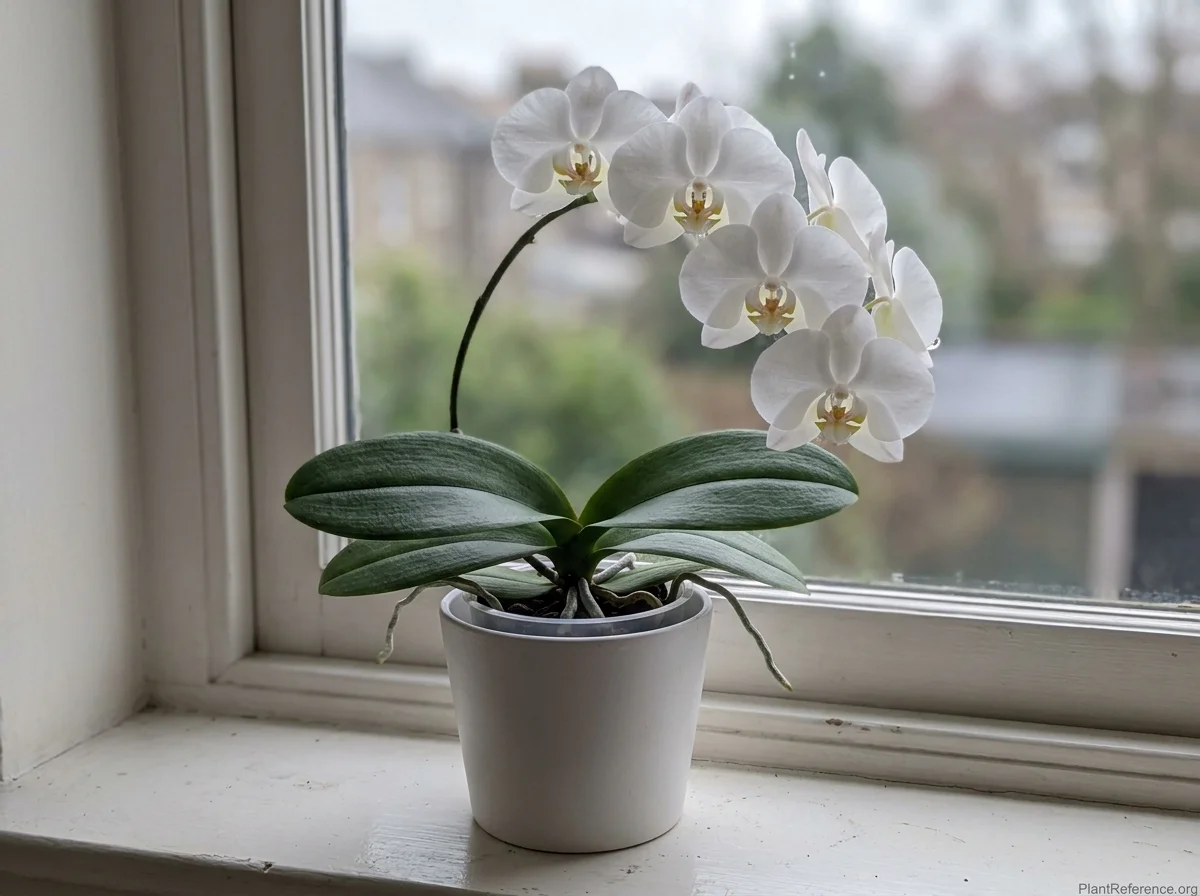
Phalaenopsis is the moth orchid genus, an evergreen epiphytic orchid genus in the orchid family (Orchidaceae) with cultivated specimens growing 12-24 inches (30-60 cm) tall (including the flower spike) and 8-12 inches (20-30 cm) wide. The genus name Phalaenopsis is derived from the Greek 'phalaina' meaning moth and 'opsis' meaning resembling — together 'moth-resembling' — and the genus is named for the visual resemblance of the flowers carried in sequence along an arching wiry inflorescence stem to a flight of moths in motion. The moth-resembling flower form is the genus' principal field-identification character and the source of both the scientific genus name and the common name 'moth orchid'. The genus is among the more commonly cultivated orchids in commercial flowering-houseplant production worldwide and is among the more widely sold flowering potted plants in commercial nursery channels because the combination of the long individual-spike bloom duration, the broad color range across cultivars, the relatively manageable indoor cultivation profile, and the widespread availability of mass-produced commercial cultivars together produce a flowering houseplant accessible to gardeners at all skill levels. Each flower is held on an arching wiry inflorescence stem 12-24 inches long carrying 5-20+ flowers in sequence, and individual bloom spikes carry open flowers for 10-12 weeks across an extended active flowering window — the long bloom duration is the genus' principal cultivation distinction and exceeds essentially every other commonly cultivated houseplant flower in continuous-bloom duration on a single inflorescence. The genus is monopodial in growth habit with a single growing apex at the central crown from which all new leaves and flower spikes emerge, in contrast to the sympodial growth habit of most other commonly cultivated orchid genera (Cattleya, Dendrobium, Oncidium, Cymbidium) which produce sequential pseudobulbs along a horizontal rhizome rather than from a single growing apex. Cultivation distinguishes Phalaenopsis from soil-grown houseplants in two principal cultivation requirements: the genus is epiphytic in the native range — the species attach to tree trunks and branches in tropical-rainforest canopy positions rather than rooting in forest-floor soil — and the cultivation substrate accordingly is chunky orchid bark (typically composed of fir bark, charcoal, perlite, and sometimes sphagnum moss) rather than potting soil, because the epiphytic root system requires air circulation around the roots that conventional potting soil does not provide. Watering is by soaking the bark substrate weekly and allowing it to drain completely, with the substrate then drying substantially between waterings — orchid roots actively respire through the velamen (a specialized water-absorbent root tissue) and the velamen requires periodic dry intervals to prevent root rot. Silver-green aerial roots emerging from the rosette base are healthy and normal — the aerial roots are the same root tissue as the in-substrate roots and are not buried; trying to cover or contain them in substrate damages the root tissue. Reblooming after the initial spike fade requires a temperature trigger: 2-4 weeks of cooler nighttime temperatures (55-65°F / 13-18°C, with 10°F+ day-night differential) signals the plant to initiate new flower spikes for the subsequent flowering cycle. Without the cool-night temperature trigger most cultivated specimens will not rebloom after the first spike, and many gardeners discard otherwise-healthy plants because of the apparent failure to rebloom rather than supplying the temperature trigger that the species requires. Bright indirect light supports flowering — direct sun produces leaf burn and the genus is sited away from intense afternoon sun positions in indoor cultivation. The genus is non-toxic to humans and pets, distinguishing the genus from many other dark-foliaged tropical houseplant genera that carry calcium oxalate or other toxicity concerns. Hardy outdoors only in tropical zones 10-12; in cold zones the genus is grown exclusively as an indoor flowering houseplant in 1-gallon (3.8-liter) or smaller orchid-specific pots with drainage holes.
Native Range
Phalaenopsis species are native to tropical and subtropical Asia and Australia with a continuous native range across tropical and subtropical India (the eastern Himalayan foothills), Bangladesh, Myanmar, Thailand, Laos, Vietnam, Cambodia, Malaysia, Indonesia, the Philippines, southern China, Taiwan, New Guinea, and northern Australia. The species occur as epiphytes in humid tropical-rainforest canopy positions where the plants attach to tree trunks and branches at the canopy and sub-canopy levels with bright filtered light, high atmospheric humidity, consistent year-round warm temperatures (typically 65-90°F / 18-32°C), and consistent rainfall patterns from tropical-monsoon climate cycles. The commercial Phalaenopsis cultivars sold in flowering-houseplant nurseries are typically complex multi-species hybrids combining traits from several wild species including P. amabilis, P. aphrodite, P. schilleriana, P. stuartiana, and others, with the breeding selections aimed at extended bloom duration, broader color range, larger flower size, and improved indoor-cultivation tolerance.Suggested Uses
Used as an indoor flowering houseplant in living rooms, office settings, restaurant and hotel lobby plantings, and other indoor positions where the long-blooming flowering display is the design contribution. The genus is among the more commonly cultivated orchids in commercial flowering-houseplant production worldwide and supplies the standard introductory orchid for new orchid gardeners — the relatively manageable cultivation profile and the widespread availability through commercial nursery channels make the genus accessible to gardeners at all skill levels. Commercial Phalaenopsis cultivars are commonly sold as gift plants for birthdays, weddings, holidays, and other occasions, and the long individual-spike bloom duration (10-12 weeks per spike) means a gift specimen continues to flower for several months following the gift occasion. The genus is non-toxic to humans and pets and is suitable for households with cats, dogs, or small children where ornamental-plant toxicity is a concern. The genus pairs with companion bright-indirect-light tropical houseplants including Anthurium (flamingo flower), Spathiphyllum (peace lily), Aglaonema cultivars, Calathea cultivars, and Maranta cultivars for a multi-species indoor flowering-and-foliage planting where the Phalaenopsis long-blooming arching spikes contribute extended seasonal flowering display alongside the year-round companion foliage.How to Identify
Appearance
Size & Dimensions
Height1' - 2'
Width/Spread8" - 1'
Bloom Information
Arching wiry inflorescence stems 12-24 inches long carry sequences of moth-resembling flowers across an extended 10-12-week individual-spike active flowering window, with primary flowering typically in winter through spring (January through April) and secondary flowering possible at other times of year under proper cool-night temperature triggers. The long individual-spike bloom duration is the genus' principal cultivation distinction. Each flower carries 5 outer tepals plus a modified labellum lip in the center — the labellum lip is the most evolved-modified of the orchid tepals and serves as the landing platform and visual signal for the genus' specialized pollinators. Pollination in the wild native range is by specific bee species (Trigona stingless bees and others) attracted by the visual flower form rather than by floral fragrance — the genus is largely scentless in contrast to other orchid genera that depend on floral scent for pollinator attraction. Indoor cultivated specimens require no active pollination because the long bloom duration and the commercial-cultivar self-pollination biology together produce extended flowering without pollinator visitation.
Detailed Descriptions
Flower Description
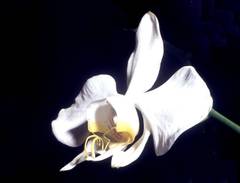
Variable across the broader genus and the commercial hybrid range — white, pink, yellow, magenta, lavender, purple, spotted, striped, or harlequin-patterned in virtually every color combination except true blue (true-blue Phalaenopsis flowers in commercial sale are typically white flowers dyed by injecting blue dye into the flower stem before bloom); each flower is held on an arching wiry inflorescence stem 12-24 inches (30-60 cm) long carrying 5-20+ flowers in sequence — the moth-resembling flower form (5 outer tepals plus a modified labellum lip in the center) is the source of the genus name and the common nameFoliage Description
Dark green; thick fleshy broad strap-shaped leaves 4-12 inches (10-30 cm) long arranged in a basal rosette of 3-6 leaves emerging from the central crown of the plant; the broad fleshy leaf form distinguishes the genus from sympodial orchid genera (Cattleya, Dendrobium, Oncidium) which produce pseudobulbs instead of leaf rosettes — Phalaenopsis is a monopodial genus with a single growing apex from which all leaves and flower spikes emergeGrowing Conditions
Sun Requirements
Needs bright indirect light. Keep it out of direct sun, which can scorch the leaves.
• Bright indirect light: a bright spot near a window, with no direct sun on the leaves
Care & Maintenance
Care Guide
Place in bright indirect light to support flowering — direct sun produces leaf burn and the genus is sited away from intense afternoon sun positions in indoor cultivation, while extremely low light reduces flower production. East-facing or filtered south-facing window positions work well in temperate-zone homes. Pot in chunky orchid bark substrate (fir bark, charcoal, perlite, and sometimes sphagnum moss) rather than potting soil because the epiphytic root system requires air circulation around the roots that conventional potting soil does not provide. Water by soaking the bark substrate weekly and allowing the pot to drain completely, then allowing the substrate to dry substantially between waterings — orchid roots actively respire through the velamen tissue and the velamen requires periodic dry intervals to prevent root rot. Silver-green aerial roots emerging from the rosette base are healthy and normal and are not buried in substrate. Fertilization is at quarter to half-strength every 2-4 weeks during the active growing season using a balanced or orchid-specific fertilizer. Reblooming after the initial spike fade requires a temperature trigger of 2-4 weeks of cooler nighttime temperatures (55-65°F / 13-18°C with 10°F+ day-night differential) — without the cool-night temperature trigger most cultivated specimens will not rebloom after the first spike. Hardy outdoors only in tropical zones 10-12; in cold zones the genus is grown exclusively as an indoor flowering houseplant in 1-gallon (3.8-liter) or smaller orchid-specific pots with drainage holes. The genus is non-toxic to humans and pets.Pruning
After all flowers on a spike fade, cut the spike above the second or third node from the base — a secondary spike may emerge from the dormant node below the cut and produce additional flowers. If the entire spike turns brown and dries, cut the dead spike to the base because no further flowers will emerge from a fully browned spike. Remove dead or yellowed leaves at the base of the rosette by gently pulling the leaf away from the central crown. Repotting into fresh orchid bark substrate is every 2-3 years because the bark breaks down chemically over time and the broken-down substrate retains too much moisture for the epiphytic root system to tolerate. Repotting is in late spring after flowering finishes.Container Growing
Suitable for container growing
Minimum container size: 1 gallons