Rumex, Genus, hymenosepalus, Species,
- Genus & species
canaigre dock
Southwestern United States and northern Mexico
Overview
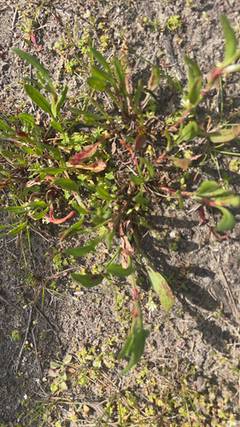
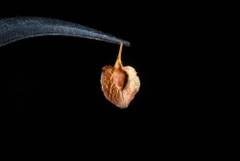
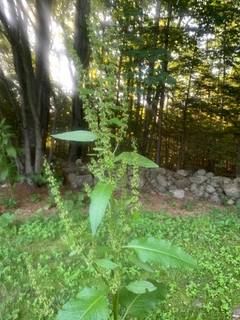
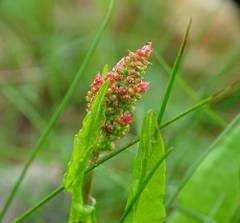
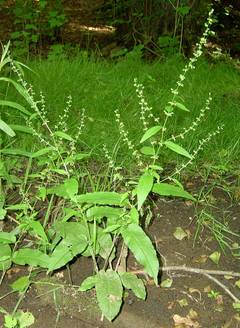
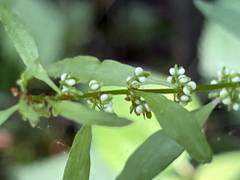
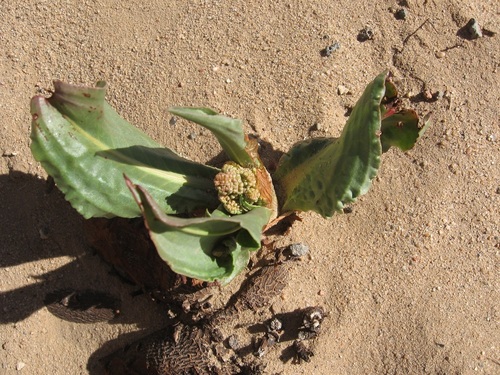
Rumex hymenosepalus is a herbaceous perennial of the buckwheat family that grows from a cluster of tuberous roots in the deserts of the southwestern United States. Plants reach 18-36 inches (45-90 cm) tall and 12-24 inches (30-60 cm) wide, forming a basal rosette of fleshy, lance-shaped leaves 6-12 inches (15-30 cm) long with wavy margins. Growth begins with autumn and winter rains, and erect reddish stems carry dense panicles of small pink to rose flowers in late winter and spring. As seeds mature, each fruit is enclosed by three enlarged pink, papery sepal wings about 0.5 inch (13 mm) across, coloring the seed heads rose-pink. The roots are high in tannins and were historically used for tanning leather and as a dye source. Foliage dies back as desert heat arrives, and the plant passes the summer dormant below ground. Leaves and stems contain soluble oxalates and tannins, which limit their use as forage and can cause digestive upset if eaten in quantity. R. hymenosepalus tolerates poor, sandy soils and extended drought but rots in heavy or waterlogged ground. It spreads slowly into colonies from its tubers and self-sown seed, and is grown in native and dryland plantings for its early bloom and pink fruiting spikes.
Native Range
Native to the southwestern United States from California east to Texas and Oklahoma, and south into northern Mexico. It grows in sandy washes, desert flats, and disturbed ground below about 6,000 feet (1,800 m).Suggested Uses
Used in native plant gardens, dryland and rock gardens, and revegetation plantings across the desert Southwest. The pink fruiting spikes are cut for dried arrangements. Its tannin-rich roots have a history of use in tanning and dyeing.How to Identify
Appearance
Size & Dimensions
Height1'6" - 3'
Width/Spread1' - 2'
Colors
Bloom Information
Flowers appear from February to April, with timing depending on winter rainfall. The small pink to reddish flowers are wind-pollinated and clustered in branched terminal panicles. Showy pink papery fruit wings follow and persist for several weeks as the foliage begins to yellow.
Detailed Descriptions
Flower Description
pink to rose-redFoliage Description
blue-green to greenGrowing Conditions
Sun Requirements
Requires 6-10 hours of direct sunlight daily
• Full Sun: 6+ hours of direct sunlight
• Partial Shade: 3-6 hours of direct sunlight
• Full Shade: Less than 3 hours of direct sunlight
Care & Maintenance
Care Guide
Plants need full sun and sharp-draining sandy or gravelly soil. Water is taken up mainly during the cool autumn-to-spring growing season, while the dormant summer tubers need little moisture and rot in wet soil. They are hardy to roughly USDA zone 6 and resprout from their tubers after frost. Established clumps tolerate drought and need no fertilizer in native soils. Foliage dies back by early summer, leaving bare ground until autumn growth resumes. Slugs and rust fungi occasionally damage the leaves in damp conditions.Pruning
No routine pruning is required. Spent flower stems and yellowing leaves can be cut back to the ground once the plant enters summer dormancy. Removing seed heads before they shatter reduces self-sowing.Pruning Schedule
Prune: May–June
late springsummer