Image 1 of 16
1 / 16
Plant Reference
Rumex, Genus, obtusifolius, Species,
- Genus & species
broad-leaved dock
Europe and western Asia; widespread perennial weed naturalized across most of the United States and all Canadian provinces; common in the Pacific Northwest co-occurring with R. crispus
Overview
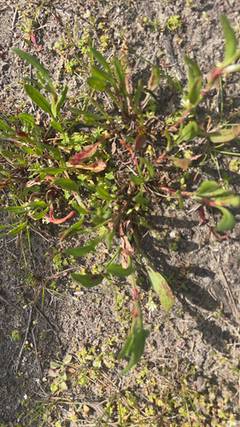
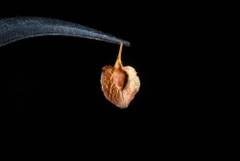
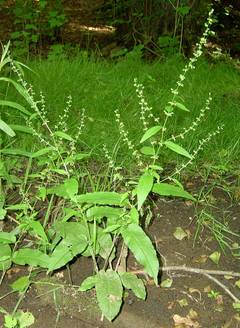
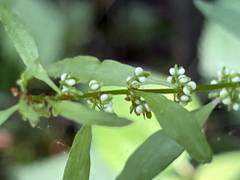
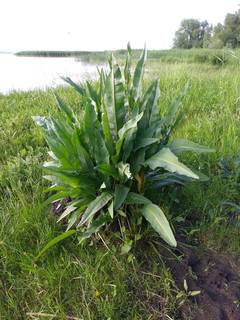
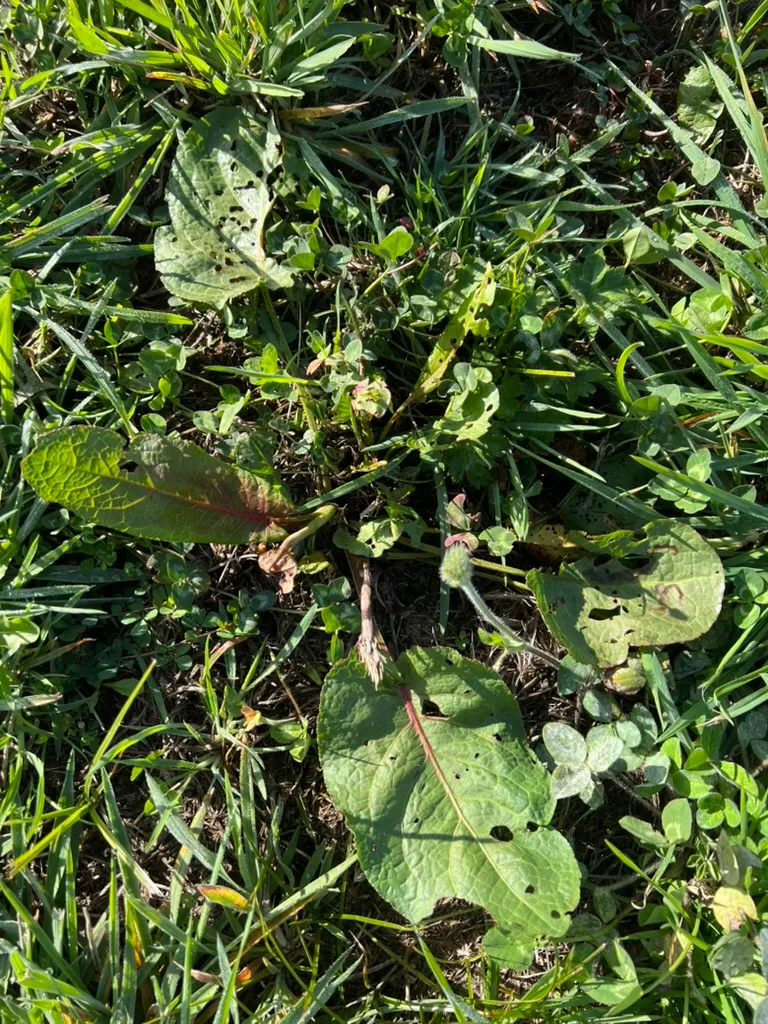
Rumex obtusifolius is a taprooted perennial weed in the buckwheat family (Polygonaceae) reaching 24–48 inches (60–120 cm) tall and 12–24 inches (30–60 cm) wide, arising from a stout fleshy yellow taproot similar in form to that of R. crispus. Stems are erect, stiff, grooved along the length, branching in the upper half. Basal leaves are broadly ovate, 6–14 inches (15–35 cm) long and 3–8 inches (8–20 cm) wide, with a cordate (heart-shaped) base and an obtuse (blunt-rounded) tip — substantially broader and wider than the lance-shaped leaves of R. crispus and the source of both the specific epithet 'obtusifolius' (blunt-leaved) and the common name. Leaf margins run flat to slightly wavy rather than the strongly crisped (curled) margins of R. crispus. Stem leaves are smaller, alternate, with papery ocreae at the nodes — typical of Polygonaceae. Flowers are tiny greenish, in dense whorls on branching panicles. Fruit is a triangular achene enclosed in 3 enlarged valves, each 0.16–0.24 inch (4–6 mm) long, with prominent teeth (spiny projections) on the valve margins and usually a single prominent grain on one valve — the toothed valve margin is the principal microscopic-scale distinction from R. crispus, which has entire smooth valve margins. A single plant produces 20,000–60,000 seeds per growing season; seeds remain viable in soil for 50–80 years. Foliage and seeds contain oxalic acid; toxic to livestock when consumed in quantity. Hybridizes readily with R. crispus where the two species co-occur, producing the intermediate hybrid Rumex × pratensis that shows leaf and fruit characters between the two parents and complicates field identification in mixed populations. Toxic to pets through oxalic acid content.
Native Range
Rumex obtusifolius is native to Europe and western Asia, occurring in pastures, gardens, roadsides, and moist disturbed ground from sea level to approximately 7,000 feet (2,100 m) elevation. The species is naturalized as a widespread perennial weed across most of the United States and all Canadian provinces, common in the Pacific Northwest where it often co-occurs with R. crispus in the same pasture, garden, and disturbed-ground habitats and hybridizes with it where the two species mix.Suggested Uses
Used in Polygonaceae identification courses for the fruit-valve comparison teaching unit: toothed margins (R. obtusifolius), entire margins (R. crispus), and absent enlarged valves (R. acetosella). The three-species Rumex comparison — small arrow-leaved R. acetosella, lance-leaved curly R. crispus, broad-leaved flat R. obtusifolius — is a standard teaching block in Pacific Northwest weed identification curricula. The hybridization with R. crispus producing R. × pratensis is studied in invasion genetics coursework on introgression between co-occurring weed species. In European folk medicine, dock leaves were traditionally rubbed on nettle (Urtica dioica) stings — the species often grows alongside nettle in the same disturbed-ground habitats, which made the historical association practical regardless of pharmacological efficacy.How to Identify
Appearance
Size & Dimensions
Height2' - 4'
Width/Spread1' - 2'
Bloom Information
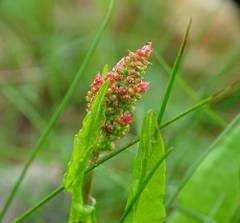
Dense whorled panicles of tiny greenish flowers appear from June through August on branching flowering stalks — slightly later than the May–July bloom of R. crispus, which produces a one-month phenological offset that can be used as a secondary identification cue at sites where the two species co-occur. The bloom progresses from the base of the panicle upward over a 3–4 week window per stalk. The species is wind-pollinated. Seeds mature by August in the Pacific Northwest. Reddish-brown seed stalks persist on the plant through fall and winter as standing dead structure.
Detailed Descriptions
Flower Description
Greenish at flowering, becoming reddish-brown at seed maturity; tiny flowers in dense whorls on branching panicles; wind-pollinated June-AugustFoliage Description
Dark green; basal leaves broadly ovate 6-14 inches long and 3-8 inches wide with cordate (heart-shaped) base and obtuse (blunt-rounded) tip; margins flat to slightly wavy; underside often with prominent veinsGrowing Conditions
Sun Requirements
Requires 4-10 hours of direct sunlight daily
• Full Sun: 6+ hours of direct sunlight
• Partial Shade: 3-6 hours of direct sunlight
• Full Shade: Less than 3 hours of direct sunlight