Rumex, Genus, conglomeratus, Species,
- Genus & species
clustered dock
Europe, North Africa, and western Asia
Overview
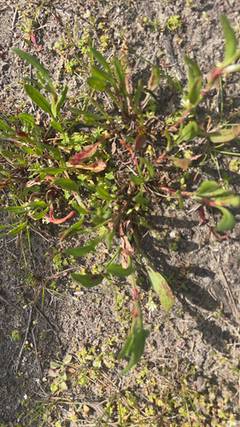
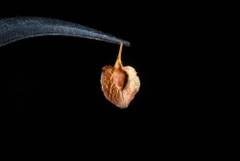
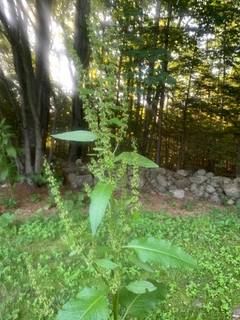
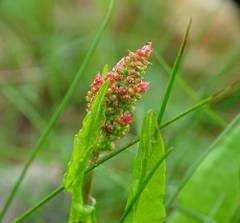
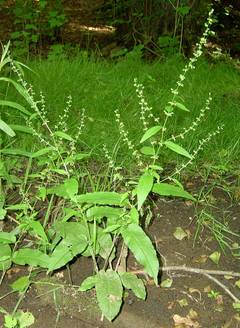
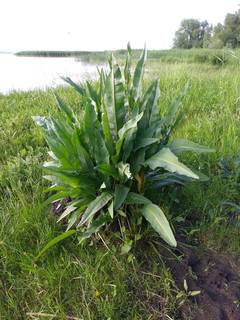
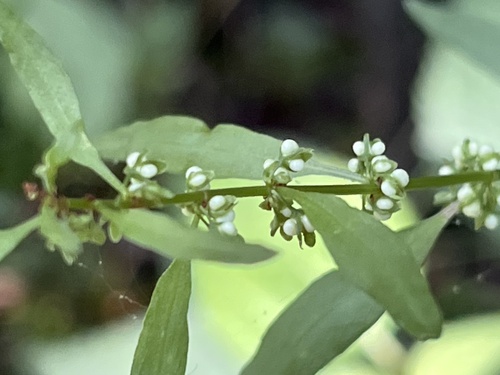
Rumex conglomeratus is an upright perennial dock of damp ground, 12-40 inches (30-100 cm) tall, with spreading, zigzag branches that carry leaves well up among the flowers. The lower leaves are oblong, 2.8-10 inches (7-25 cm) long, sometimes narrowed in the middle into a fiddle shape, on grooved stalks. From June to August the branches bear many small, well-separated whorls of tiny greenish flowers, the clusters spaced apart along leafy branches rather than crowded at the tips. As the fruit ripens, each of the three inner segments develops a single elongated swelling, or tubercle, and turns reddish-brown. It grows in wet meadows, ditches, riverbanks, marshes, damp woodland, and field edges on moist to wet, neutral to mildly acid soils. The plant has a stout taproot, dies back over winter, and regrows in spring, flowering from its second year. Its wind-pollinated flowers set abundant seed that floats and spreads along watercourses. The foliage contains oxalic acid, sour to the taste, which makes large quantities hazardous to grazing animals. It can be told from clustered relatives by the spaced, leafy flower whorls and the tubercle on each inner tepal.
Native Range
Native to Europe, North Africa, and western Asia, from the British Isles and Scandinavia south to the Mediterranean. It is widely naturalized in North America, Australia, and other temperate regions.Suggested Uses
Found mainly as a wild plant of wet ground rather than a garden subject, though it has a place in wildlife and wetland conservation plantings as a seed source for birds. It suits naturalistic damp meadows and pond edges. Its weedy spread and deep taproot make it unsuited to borders and tidy planting.How to Identify
Appearance
Size & Dimensions
Height1' - 3'4"
Width/Spread1' - 2'
Bloom Information
Tiny green flowers open from June to August in spaced whorls along leafy branches. They are wind-pollinated rather than insect-pollinated, so they have no petals or scent. The fruits ripen red-brown through late summer, each inner segment bearing a single swelling.
Detailed Descriptions
Flower Description
greenish, turning red-brown in fruitFoliage Description
greenGrowing Conditions
Sun Requirements
Requires 4-9 hours of direct sunlight daily
• Full Sun: 6+ hours of direct sunlight
• Partial Shade: 3-6 hours of direct sunlight
• Full Shade: Less than 3 hours of direct sunlight