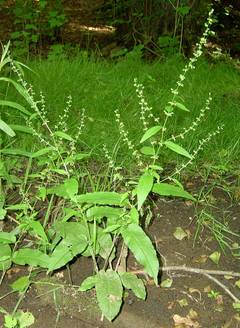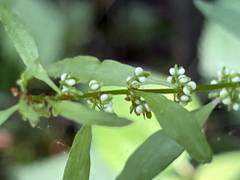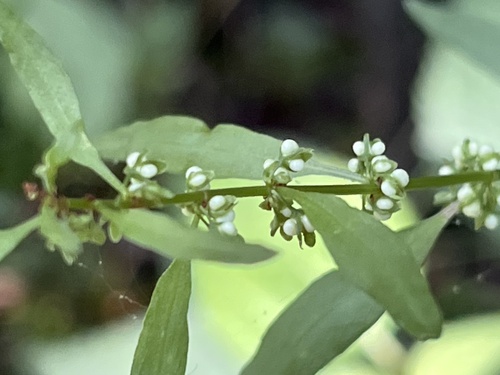
Rumex, Genus, spp., Multiple species,
- Genus
- Multiple species
docks and sorrels
Worldwide, with the greatest diversity in the temperate Northern Hemisphere (Europe, Asia, North America)
Overview
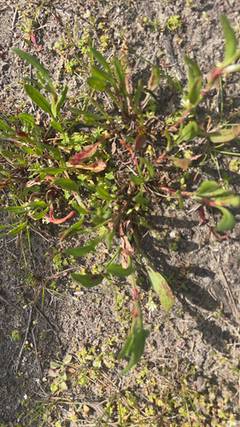
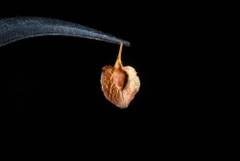
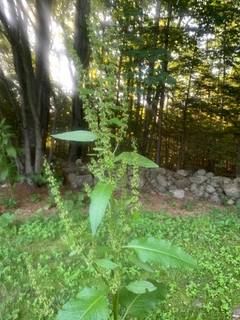
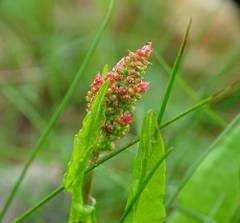
Rumex is a genus of roughly 200 species of annual, biennial, and perennial herbs in the Polygonaceae family, found on every continent but most diverse in north temperate regions. The genus splits informally into the docks, with large leaves and a sour or bitter taste, and the sorrels, with smaller, arrow-shaped leaves and a sharp lemony tang. Plants grow from a stout taproot and form a basal rosette of leaves 2-12 inches (5-30 cm) long, with a papery sheath (ocrea) wrapping the stem at each leaf joint, a feature shared across the family. Flowering stems rise 1-5 feet (30-150 cm) tall and carry many tiny green flowers in whorled, branching clusters that age to reddish brown. The wind-pollinated flowers give way to three-winged seeds, and a single plant can release thousands of long-lived seeds, which makes several species persistent weeds of pastures, gardens, and roadsides. Leaves and stems contain oxalic acid and soluble oxalates, which give the tart flavor but can poison grazing animals when eaten in quantity. Rumex acetosa and R. acetosella are grown as culinary sorrel, while R. crispus and R. obtusifolius spread widely as agricultural weeds. The deep taproot regrows from fragments and makes established plants hard to remove.
Native Range
Rumex occurs worldwide, with the greatest diversity in the temperate Northern Hemisphere across Europe, Asia, and North America. North American species include R. occidentalis and R. salicifolius, while several Eurasian species such as R. crispus have naturalized across the continent.Suggested Uses
Sorrel species are grown in herb and vegetable gardens for their tart, lemony leaves. Some species are used in wildflower meadows and as larval host plants for copper butterflies. Most docks colonize disturbed ground, pasture, and waste places where they are managed as weeds.How to Identify
Appearance
Size & Dimensions
Height1' - 5'
Width/Spread6" - 2'
Bloom Information
Flowering runs from late spring into summer, generally May to August depending on species and region. The small green flowers are wind-pollinated and produce no nectar, then turn reddish brown as the three-winged fruits mature. The dried, rust-colored seed heads persist on the stem through fall and winter. Sorrels often flower earlier than the larger docks.
Detailed Descriptions
Flower Description
green to reddish-brownFoliage Description
greenGrowing Conditions
Sun Requirements
Requires 4-12 hours of direct sunlight daily
• Full Sun: 6+ hours of direct sunlight
• Partial Shade: 3-6 hours of direct sunlight
• Full Shade: Less than 3 hours of direct sunlight