Rumex, Genus, acetosella, Species,
- Genus & species
sheep sorrel
Europe and western Asia; lawns, pastures, roadsides, and disturbed ground from sea level to approximately 10,000 feet (3,000 m).
Overview
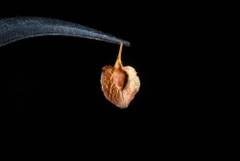
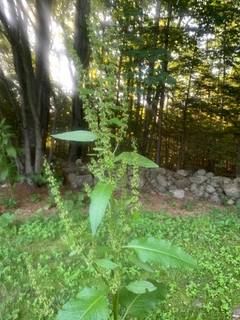
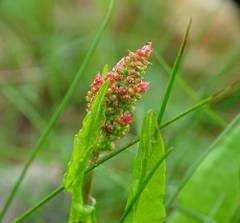
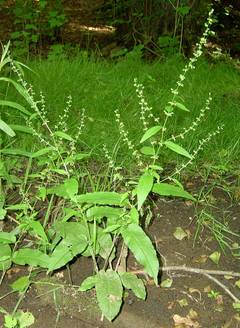
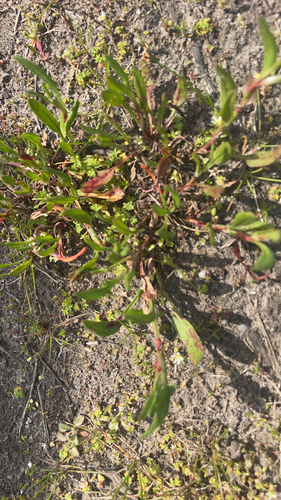
Rumex acetosella is a dioecious rhizomatous perennial reaching 4-18 inches (10-45 cm) tall and 6-18 inches (15-45 cm) wide, forming dense colonies via creeping rhizomes. Stems are slender, erect, wiry, and branching. Leaves are hastate (arrow-shaped) with two basal lobes pointing outward and backward, 0.5-3 inches (1-8 cm) long, on long petioles, and are much smaller than the large dock leaves of R. crispus and R. obtusifolius. Foliage has a sour acidic taste from oxalic acid content that is detectable when a leaf is chewed, and the entire plant often develops a reddish tinge in summer and on acidic nutrient-poor soils. The species is dioecious, with male and female flowers on separate plants: tiny reddish flowers appear on female plants and tiny yellowish-green flowers on male plants, both in loose slender panicles. Fruit is a small shiny triangular achene 0.04 inch (1 mm) that lacks the enlarged winged valves that develop on the fruiting structure of the larger Rumex species. A single female plant produces 1,000-10,000 seeds. The rhizome system spreads laterally and produces new shoots at 2-4 inch (5-10 cm) intervals, so populations form expanding circular patches. Foliage contains oxalic acid in sufficient concentration to produce livestock poisoning through calcium sequestration when consumed in quantity, and chronic consumption can produce hypocalcemia and secondary renal stress. Hardy in USDA zones 3-9 (-40°F / -40°C). Populations serve as a strong field indicator of acidic nutrient-poor soils (pH below 6.0).
Native Range
Rumex acetosella is native to Europe and western Asia, where it grows in lawns, pastures, roadsides, and disturbed ground from sea level to approximately 10,000 feet (3,000 m). The species has naturalized across all 50 U.S. states and all Canadian provinces and is widespread as an indicator weed of acidic soils across the Pacific Northwest.Suggested Uses
The species is used as the primary soil-acidity indicator weed in Pacific Northwest land assessment: site dominance by R. acetosella is strong field evidence of soil pH below 6.0. Plants are included in Polygonaceae identification for the hastate leaf shape and the dioecious breeding system. Oxalic acid content and the livestock-poisoning mechanism through calcium sequestration are taught in plant secondary chemistry and in livestock toxicology. The sour leaf taste is a standard field identification exercise. Foliage has a historical record of limited use as a salad herb in European traditional cuisine, though the high oxalate content limits safe consumption to small quantities.How to Identify
Appearance
Size & Dimensions
Height4" - 1'6"
Width/Spread6" - 1'6"
Bloom Information
Slender panicles of tiny flowers open from May through July, with a total bloom span of 3-4 weeks. The species is dioecious: reddish female flowers and yellowish-green male flowers appear on separate plants, and wind-pollination transfers pollen across individuals. Seeds mature 3-4 weeks after pollination. In the Pacific Northwest, reddish flower stalks on female plants are visible in lawns and fields through June.
Detailed Descriptions
Flower Description
Reddish on female plants and yellowish-green on male plants (the species is dioecious, with male and female flowers on separate plants); tiny flowers carried in loose slender paniclesFoliage Description
Medium green, often reddish-tinged (particularly in summer and on acidic, nutrient-poor soils); hastate (arrow-shaped) with two basal lobes pointing outward and backward, 0.5-3 inches (1-8 cm) long, on long petioles; much smaller than the large dock leaves of R. crispus and R. obtusifoliusGrowing Conditions
Sun Requirements
Requires 4-10 hours of direct sunlight daily
• Full Sun: 6+ hours of direct sunlight
• Partial Shade: 3-6 hours of direct sunlight
• Full Shade: Less than 3 hours of direct sunlight