Rumex, Genus, acetosa, Species,
- Genus & species
sorrel
Native to Europe and northern Asia where the species grows in meadows, grasslands, and damp ground; naturalized through temperate regions of North America since European colonial settlement; the species is one of the earliest greens to emerge in spring across the temperate range — leaves push up through cool soil weeks before most other garden crops break dormancy, which gave the species a position as an early-spring vitamin source in pre-industrial European cuisines before refrigerated produce supply chains shortened the seasonal scarcity window
Overview
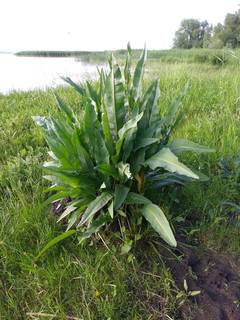
Rumex acetosa is a hardy perennial in the buckwheat family (Polygonaceae) reaching 12-24 inches (30-60 cm) tall with a 12-18 inch (30-45 cm) spread and an upright clumping habit with a basal rosette of arrow-shaped leaves. Native to Europe and northern Asia, the species produces smooth bright green arrow-shaped (sagittate) leaves 4-6 inches (10-15 cm) long with a sharp tangy lemony-sour flavor from oxalic acid content in the leaf tissue. The species is one of the earliest greens to emerge in spring, producing harvestable leaves weeks before most other garden crops break dormancy. Days to first harvest 60 from seed, or immediate from established crowns in the second spring onward. Growth rate is fast in cool weather. Hardy to USDA zone 3. Cut-and-come-again harvest continues for months across the cool season. The flavor is sharpest in cool weather and turns more bitter in sustained heat. Flower stalks reach 3 ft (90 cm) if not removed and self-seed freely through the garden.
Native Range
Rumex acetosa is native to Europe and northern Asia. Naturalized through temperate regions of North America.Suggested Uses
Grown in herb or vegetable gardens for culinary use — soups (the traditional French sorrel soup is the dish the species is known for in European cuisine), sauces, salads (young leaves only), pesto, and as fish accompaniment. Sharp lemony-sour flavor pairs with rich foods that the acidity cuts through. Earliest spring green in the temperate garden cycle. Perennial hardy to zone 3 that returns yearly from the same crown. Cut-and-come-again harvest for months across the cool season. Contains oxalic acid — consume in moderation, and avoid if prone to kidney stones since oxalic acid contributes to oxalate stone formation in susceptible individuals. Self-seeds freely if flower stalks are not removed.How to Identify
Appearance
Size & Dimensions
Height1' - 2'
Width/Spread1' - 1'6"
Bloom Information
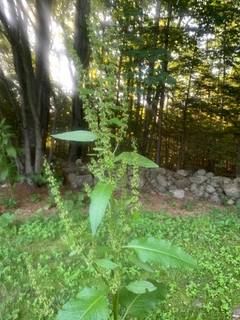
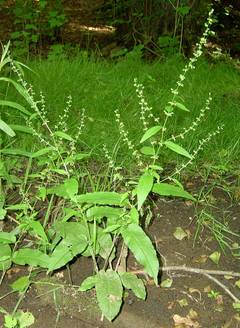
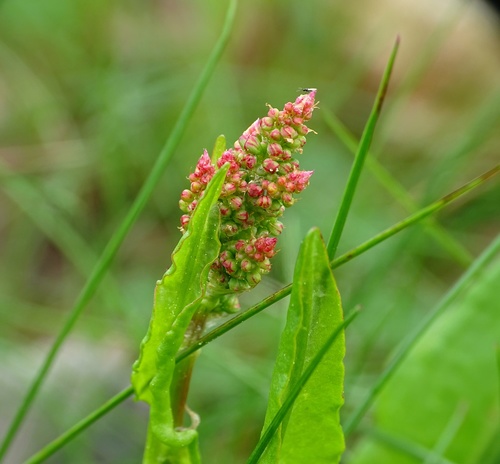
Reddish-green flower stalks reach 3 ft (90 cm) in late spring through early summer. Small inconspicuous reddish-green flowers form whorled panicles. The species is dioecious with male and female flowers on separate plants, so seed production requires both sexes within pollination range. Removing flower stalks promptly redirects energy from seed production back into leaf production and prevents the prolific self-seeding that the species shows in unmanaged settings.
Detailed Descriptions
Flower Description
Reddish-green small flowers carried in whorled panicles on flower stalks reaching 3 ft (90 cm) in late spring through early summer; the species is dioecious with male and female flowers on separate plantsFoliage Description
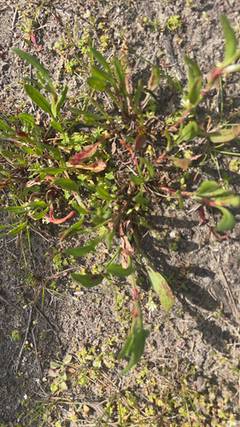
Bright green arrow-shaped (sagittate) smooth leaves 4-6 inches (10-15 cm) long carried in a basal rosette; the arrow shape is the diagnostic foliage characterGrowing Conditions
Sun Requirements
Requires 4-8 hours of direct sunlight daily
• Full Sun: 6+ hours of direct sunlight
• Partial Shade: 3-6 hours of direct sunlight
• Full Shade: Less than 3 hours of direct sunlight
Care & Maintenance
Care Guide
Direct sow in spring or fall, or start indoors 4-6 weeks before last frost. Grows in rich moist slightly acidic soil at pH 5.5-6.8. Tolerates full sun to part shade — part shade in summer extends the harvest window and reduces leaf bitterness in hot weather. Cut-and-come-again harvest of outer leaves keeps the inner growth productive across the cool season. Remove flower stalks promptly to hold the plant in leaf-production mode. Hardy perennial to USDA zone 3. Divide established clumps every 3-4 years when the center becomes woody. The high oxalic acid content means the leaves are consumed in moderation.Pruning
Remove flower stalks as they appear to redirect energy to leaf production. Cut the entire plant down to 2 inches (5 cm) mid-season to rejuvenate foliage and trigger a fresh flush of tender young leaves. Divide clumps every 3-4 years to maintain plant vigor as the central crown becomes woody.Pruning Schedule
Prune: May–July
late springsummer
Container Growing
Suitable for container growing
Minimum container size: 3 gallons
Toxicity Warning
Toxic to petsPlanting Guide
Planting Methods & Timing
Planting Method
both
Indoor Start
5 weeks before last frost
Direct Sow Timing
Spring or fall
Days to Maturity
60–60 days
Plant Spacing
12 inches
Companion Planting
Good Companions