Overview
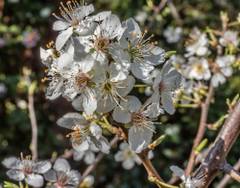
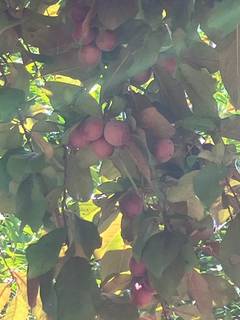
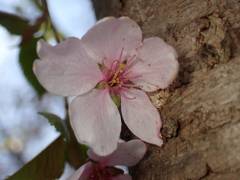
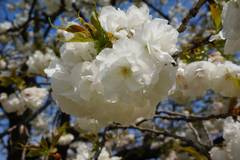
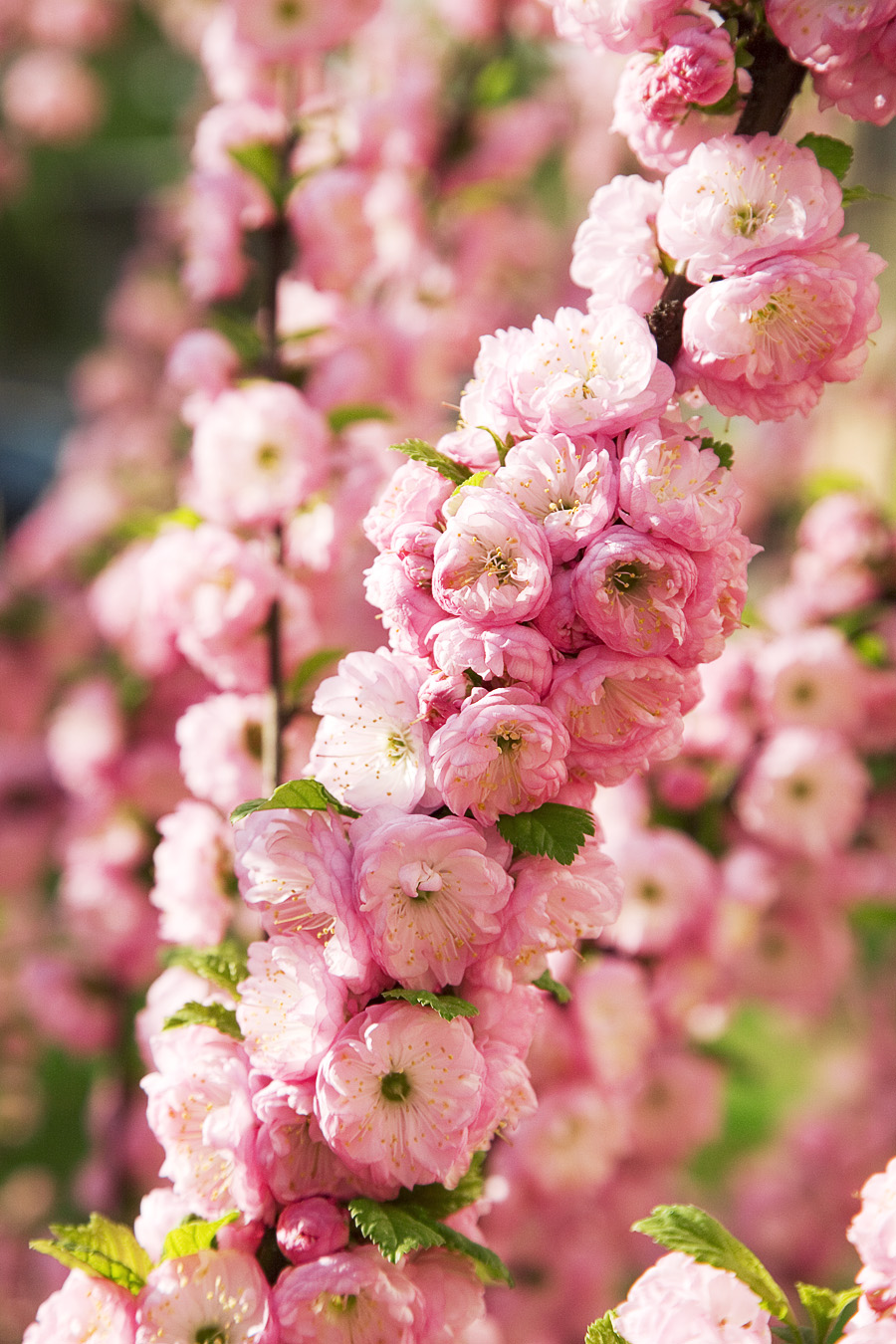
Prunus triloba is a deciduous, multi-stemmed shrub or small tree in the Rosaceae, native to China. It reaches 8–15 feet (2.4–4.5 m) tall with a spread of 8–12 feet (2.4–3.6 m), forming a rounded, open crown. Leaves are alternate, broadly ovate to elliptic, 1.5–2.5 inches (4–6 cm) long, with coarsely double-toothed margins and a three-lobed tip on many leaves, which gives the species its name. Flowers open before the leaves on bare stems. Each flower is 0.75–1.25 inches (2–3 cm) across with five pink petals, borne singly or in pairs along the previous year's shoots. Fruits are round, red, hairy drupes 0.5–0.75 inch (1.3–2 cm) across that ripen in summer and are dry and bitter. Seeds and leaves contain cyanogenic compounds that are toxic if eaten in quantity. Plants are susceptible to brown rot (Monilinia), black knot, and peach tree borers, and individual stems decline after 15–20 years. The species is grown in USDA zones 4–8.
Native Range
China, in thickets and on slopes in the northern and northeastern provinces.Suggested Uses
Used as a flowering shrub in mixed borders and shrub groupings, spaced 8–10 feet (2.4–3 m) apart. Grown as a small multi-stemmed tree or a trained standard.How to Identify
Appearance
Size & Dimensions
Height8' - 15'
Width/Spread8' - 12'
Bloom Information
Flowers open in early to mid spring (March–April), before leaf emergence, and bloom lasts 2–3 weeks. Flowers form on shoots produced in the previous season. Freezes below 25°F (-4°C) during bloom damage open flowers. Fruits ripen in July–August.
Detailed Descriptions
Foliage Description
Medium green, with yellow tones in autumnGrowing Conditions
Sun Requirements
Requires 6-10 hours of direct sunlight daily
• Full Sun: 6+ hours of direct sunlight
• Partial Shade: 3-6 hours of direct sunlight
• Full Shade: Less than 3 hours of direct sunlight
Care & Maintenance
Care Guide
Plants grow in full sun, with at least 6 hours of direct light, in well-drained soil with a pH of 6.0–7.5. Established plants tolerate dry periods and are watered every 10–14 days in drought. Balanced fertilizer is applied in early spring at the label rate for shrubs. Poorly drained soil causes root rot and shortens plant life. Brown rot appears as shriveled, tan blossoms and twig dieback in wet springs, and infected twigs are cut out 6 inches (15 cm) below the dead tissue. Temperatures below -30°F (-34°C) damage flower buds.Pruning
Pruning is done immediately after flowering, in April–May, because flower buds form on the previous season's shoots. Stems that have flowered are cut back by one-third to one-half to stimulate new shoots. The oldest stems are removed at ground level every 2–3 years, and suckers are cut at the base.Pruning Schedule
Prune: April–May
late spring