Ligustrum, Genus, sinense, Species, 'Variegatum', Cultivar,
- Genus & species
- Cultivar
variegated privet
Southeastern China, Vietnam, Laos, and Myanmar (species)
Overview
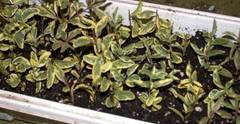
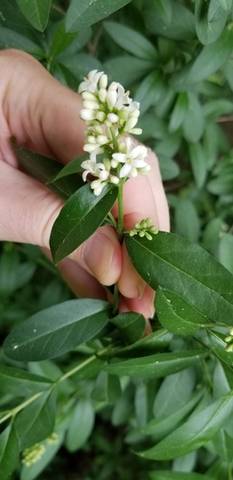
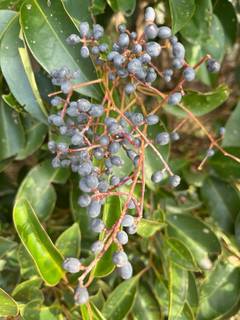
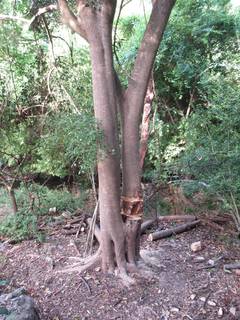
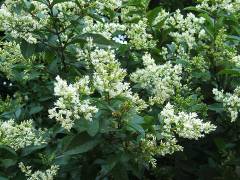
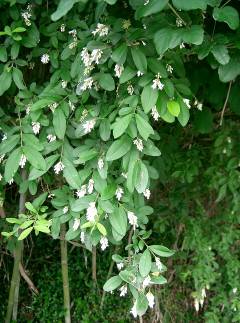
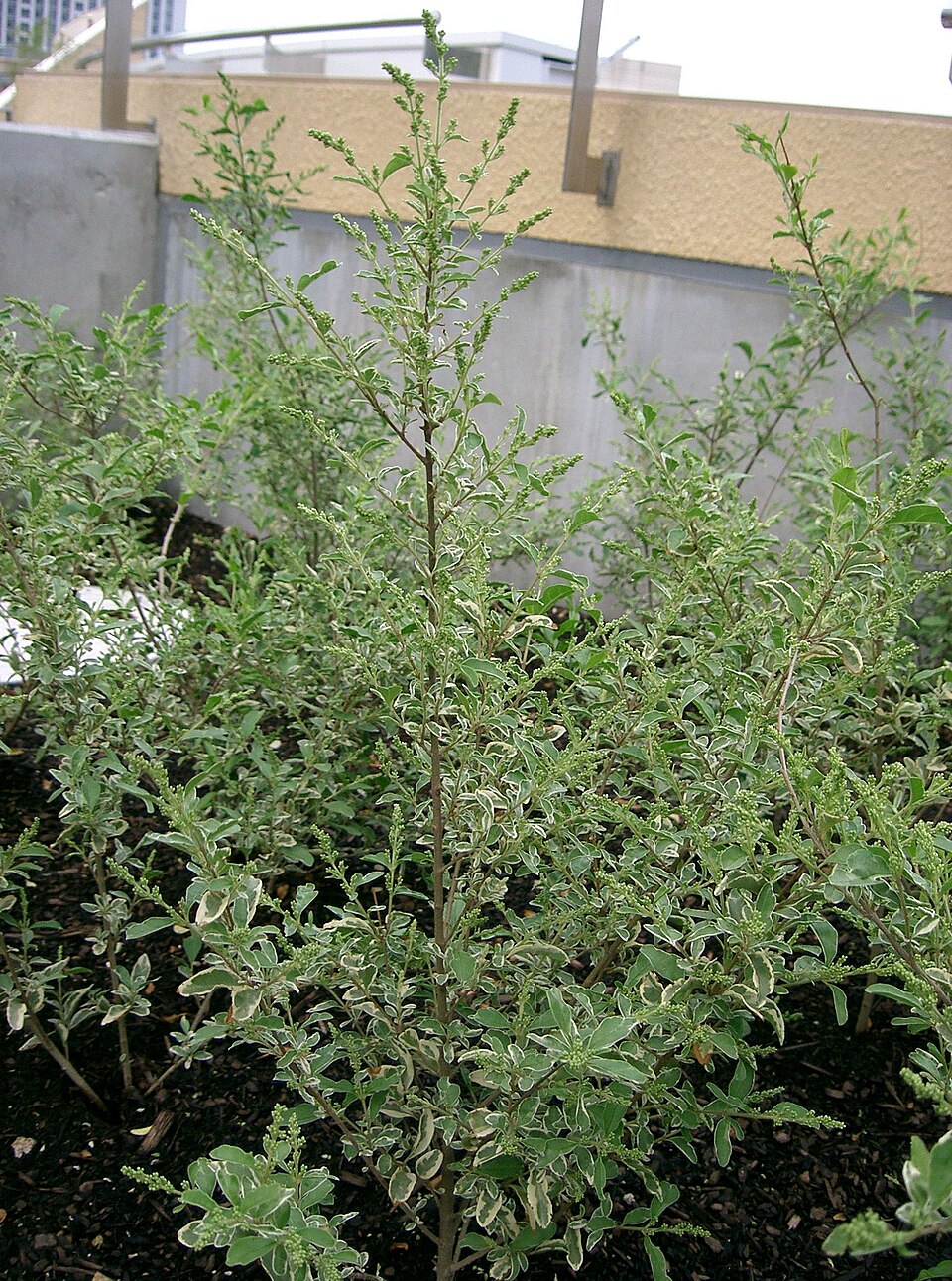
Ligustrum sinense 'Variegatum' is a deciduous to semi-evergreen shrub forming a multi-stemmed upright form 6-15 feet (1.8-4.6 m) tall and 6-12 feet (1.8-3.7 m) wide. Stems are slender and pale gray, becoming furrowed with age. Opposite ovate to elliptic leaves 1-2 inches (2.5-5 cm) long are mid-green with cream to yellow margins; new spring growth shows a pinkish flush. Full sun maintains stable variegation; partial shade triggers reversion to solid green on individual branches. Panicles 2-4 inches (5-10 cm) long of small white tubular flowers 0.15 inch (4 mm) wide appear in May or June; the flowers are fragrant and draw bees and flies during bloom. Black drupes 0.25 inch (6 mm) across follow from August through winter. L. sinense is regulated as a Category I invasive species in 16 southern and mid-Atlantic states; planting is restricted in Tennessee, Georgia, and South Carolina among others. The variegated cultivar produces fewer fertile seed than the species type but is included in some state regulations. Foliage is damaged below 0°F (-18°C); plants regrow from the base after severe cold dieback.
Native Range
The species Ligustrum sinense is native to southeastern China, Vietnam, Laos, and Myanmar, where it grows in lowland forests and forest edges at 100-3,000 feet (30-900 m) elevation. It has naturalized widely across the southeastern United States and is regulated as a Category I invasive species in multiple states. The cultivar 'Variegatum' was selected from this species.Suggested Uses
Used as a hedge or screen at 36-48 inch (90-120 cm) spacing in zones 6-9 where local regulations permit. Grown as a specimen, espalier, or topiary subject in mixed borders. Sale and planting are restricted in much of the southeastern United States; sterile or seedless alternative species are substituted in regulated regions.How to Identify
Appearance
Size & Dimensions
Height6' - 15'
Width/Spread6' - 12'
Bloom Information
Panicles 2-4 inches (5-10 cm) long of small white tubular flowers 0.15 inch (4 mm) wide appear from May into June in zones 7-9, and shift to early June through early July in zones 5-6. Each panicle persists 2-3 weeks. Flowers are strongly fragrant and produce nectar; bee and fly visitation is consistent during peak bloom. Black drupes 0.25 inch (6 mm) across follow from August through winter and are eaten by birds in late fall.
Detailed Descriptions
Foliage Description
Mid-green with cream to yellow marginsGrowing Conditions
Sun Requirements
Requires 5-10 hours of direct sunlight daily
• Full Sun: 6+ hours of direct sunlight
• Partial Shade: 3-6 hours of direct sunlight
• Full Shade: Less than 3 hours of direct sunlight
Care & Maintenance
Care Guide
Water deeply weekly during the first growing season; established plants tolerate 3-4 weeks without rain in zones 6-9. Apply balanced slow-release fertilizer once in early spring; additional feeding produces vegetative growth that obscures variegation. Variegation can revert to solid green on branches in shaded sites; reverted shoots are pruned out at the base when noticed. Pseudocercospora ligustri causes leaf spot in humid conditions; affected leaves drop without lasting damage to the plant. Privet aphid and whitefly populations build in spring and decline by midsummer in most regions. Self-seeding occurs in zones 7-9; mowing or removal of seedlings prevents spread to adjacent properties.Pruning
Shear or selectively prune from late spring through early summer after flowering; recovery is rapid and a second flush appears within 4-6 weeks. Hard renewal pruning to 12-18 inches (30-45 cm) above ground in late winter regenerates a denser form on overgrown plants. Reverted solid-green branches are pruned out at the base during the growing season. Stem cuttings root in 14-28 days during summer.Pruning Schedule
Prune: June–July
summer
Container Growing
Minimum container size: 15 gallons