Image 1 of 20
1 / 20
Plant Reference
Ligustrum, Genus, vulgare, Species,
- Genus & species
common privet
Europe, North Africa, and western Asia from the British Isles and Scandinavia south to the Mediterranean and east to Iran; hedgerows, woodland margins, scrubland, and calcareous grasslands; the species has naturalized widely across temperate North America and is classified as invasive in multiple U.S. states
Overview
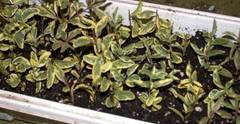
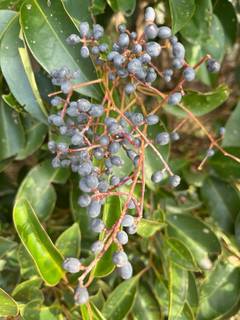
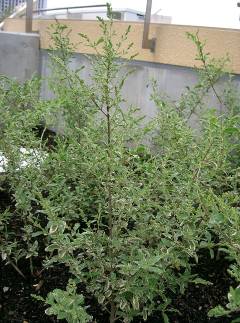
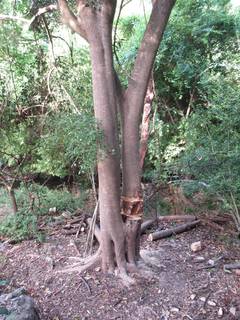
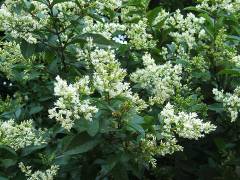
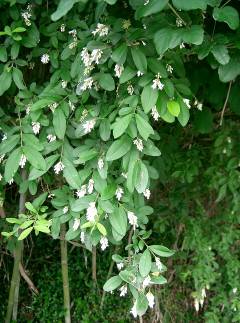
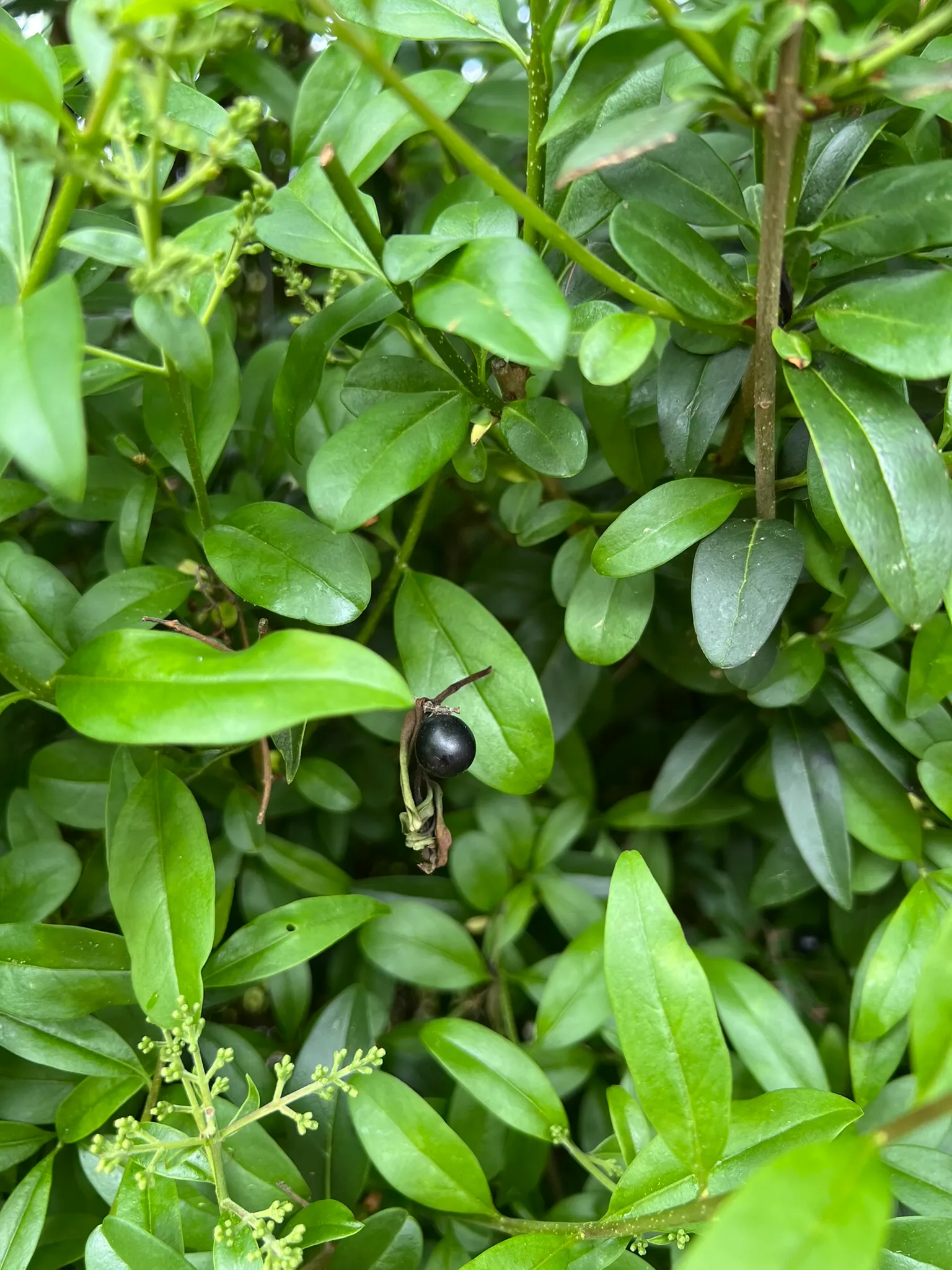
Ligustrum vulgare is a dense upright deciduous to semi-evergreen shrub in the family Oleaceae, reaching 8-15 feet (2.4-4.6 m) tall and wide when unpruned. Leaves are opposite, simple, lance-shaped to narrowly elliptic, 1-2.5 inches (2.5-6 cm) long, and glossy dark green above with a paler underside. Foliage is semi-evergreen in mild climates (zones 7-8) where leaves hold through most winters and fully deciduous in zones 4-6 where hard winter cold drops the leaves. Small white 4-petaled flowers open in dense terminal panicles 2-3 inches (5-8 cm) long during June and July with a strong musky-sweet fragrance that some gardeners find cloying at close range. Glossy black berries 0.25 inch (6-8 mm) across ripen in September and October and persist through winter unless consumed by birds. All parts of the plant contain terpenoid glycosides and are toxic to humans and pets on ingestion, with the berries implicated in most documented livestock and pet poisoning cases. Growth is fast at 12-24 inches (30-61 cm) per year, and the species tolerates heavy shearing, air pollution, road salt, poor soil, compacted urban ground, and a wide range of light conditions from full sun to full shade. Native to Europe, North Africa, and western Asia, the species has been planted widely across North America since the colonial period as a formal hedge and boundary shrub, and bird-dispersed seeds have since established extensive naturalized populations across the eastern and southeastern United States. Ligustrum vulgare is classified as invasive in multiple U.S. states including Virginia, Kentucky, Tennessee, and Georgia, where it forms dense thickets in forest understories that displace native understory vegetation and alter forest regeneration dynamics. Native shrub alternatives such as Ilex verticillata (winterberry), Viburnum dentatum (arrowwood viburnum), and Myrica pensylvanica (northern bayberry) are routinely substituted in modern landscape plantings where the species is regulated or where ecological concerns discourage planting. Privet thrips, leaf miners, and honey fungus (Armillaria) are the pest and disease concerns, with Armillaria infection usually fatal on affected plants.
Native Range
Ligustrum vulgare is native to Europe, North Africa, and western Asia, from the British Isles and southern Scandinavia south to the Mediterranean basin and east through the Caucasus to Iran. The species grows in hedgerows, woodland margins, scrubland, and calcareous grasslands on a range of soil types from acid sand to alkaline chalk. Outside of its native range the species has naturalized extensively across temperate North America since the colonial period, and it is currently classified as invasive in multiple U.S. states including Virginia, Kentucky, Tennessee, and Georgia.Suggested Uses
Historically planted as a formal clipped hedge at 12-18 inch (30-46 cm) spacing, as a screen, windbreak, or boundary planting, and as a tolerant shrub for difficult urban sites with pollution, road salt, and compacted soil. The broad tolerance of shade, soil type, and air pollution historically made the species a common hedge choice across temperate North America before its invasive potential in the eastern and southeastern United States was widely recognized. Native shrub alternatives such as Ilex verticillata (winterberry), Viburnum dentatum (arrowwood viburnum), and Myrica pensylvanica (northern bayberry) are substituted in modern plantings where the species is regulated as invasive or where ecological concerns discourage planting. Not suited to planting in jurisdictions where the species is listed as invasive (Virginia, Kentucky, Tennessee, Georgia, and others), positions adjacent to natural areas, woodlands, or riparian zones in any region because bird-dispersed seeds escape to surrounding habitats, pet-accessible landscapes where the toxic berries pose an ingestion hazard, or sites with known Armillaria root rot infection where the species cannot establish.How to Identify
Appearance
Size & Dimensions
Height8' - 15'
Width/Spread8' - 15'
Colors
Bloom Information
Small white 4-petaled flowers open in dense terminal panicles 2-3 inches (5-8 cm) long during June and July in zones 4-8, averaging 2-3 weeks of bloom. Flowers carry a strong musky-sweet fragrance that attracts bees and butterflies and that some people find cloying at close range. Glossy black berries 0.25 inch (6-8 mm) across ripen in September and October and persist on the branches through winter unless eaten by birds. Heavily sheared hedges produce fewer flowers and berries than unclipped specimens because annual shearing removes most of the current season's flowering wood.
Detailed Descriptions
Flower Description
white; small 4-petaled flowers in dense terminal panicles 2-3 inches (5-8 cm) long with a strong musky-sweet fragranceFoliage Description
glossy dark green above and paler beneath; opposite simple lance-shaped to narrowly elliptic leaves 1-2.5 inches (2.5-6 cm) long; semi-evergreen in zones 7-8 and fully deciduous in zones 4-6Growing Conditions
Sun Requirements
Requires 2-12 hours of direct sunlight daily
• Full Sun: 6+ hours of direct sunlight
• Partial Shade: 3-6 hours of direct sunlight
• Full Shade: Less than 3 hours of direct sunlight
Care & Maintenance
Care Guide
The species is classified as invasive in multiple U.S. states including Virginia, Kentucky, Tennessee, and Georgia, and local invasive-species regulations govern whether the species is legal to plant in a given area. Where cultivation remains legal, plant in well-drained soil with a pH of 5.0-8.0 in full sun to full shade; tolerated soil types include loam, clay, sand, chalk, and silt, and the species ranks high for site adaptability among temperate deciduous shrubs with regard to soil range and light range. Water weekly through the first growing season; established plants are very drought-tolerant and tolerate air pollution, road salt, and compacted urban ground. All parts of the plant contain terpenoid glycosides and are toxic to humans and pets on ingestion, with the glossy black berries implicated in most documented pet and livestock poisoning cases. Volunteer seedlings from bird-dispersed seed establish readily in adjacent beds, woodland edges, and unmaintained ground, and routine seedling removal is needed in gardens near natural areas to limit unwanted spread. Honey fungus (Armillaria) infection is usually fatal on affected specimens and sites with known Armillaria are poorly suited to the species.Pruning
Formal clipped hedges are sheared 2-3 times per growing season from late spring through late summer (May through August) to maintain the dense rectangular form that historical privet hedges carried in estate landscapes. Informal specimens are pruned once in late winter (February through March) with dead, damaged, and crossing branches removed at the branch collar. Hard renovation pruning to 6-12 inches (15-30 cm) above ground level is well tolerated and stimulates dense regrowth from the base, and overgrown or neglected hedges are routinely reset this way. Late-season pruning after September is limited because new growth stimulated late in the season may not harden off before winter cold and can suffer dieback. Pruning debris is bagged rather than composted where the species is regulated as invasive to limit spread of viable seed and cuttings.Pruning Schedule
Prune: May–August
late springsummer
Container Growing
Suitable for container growing
Minimum container size: 10 gallons