Ligustrum, Genus, obtusifolium, Species,
- Genus & species
border privet
Overview
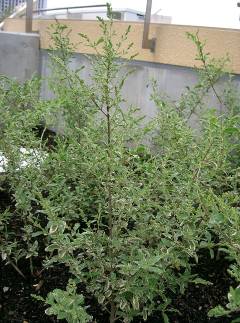
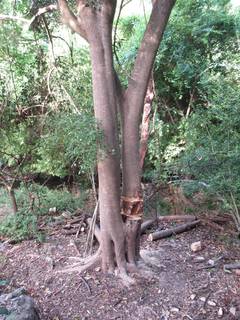
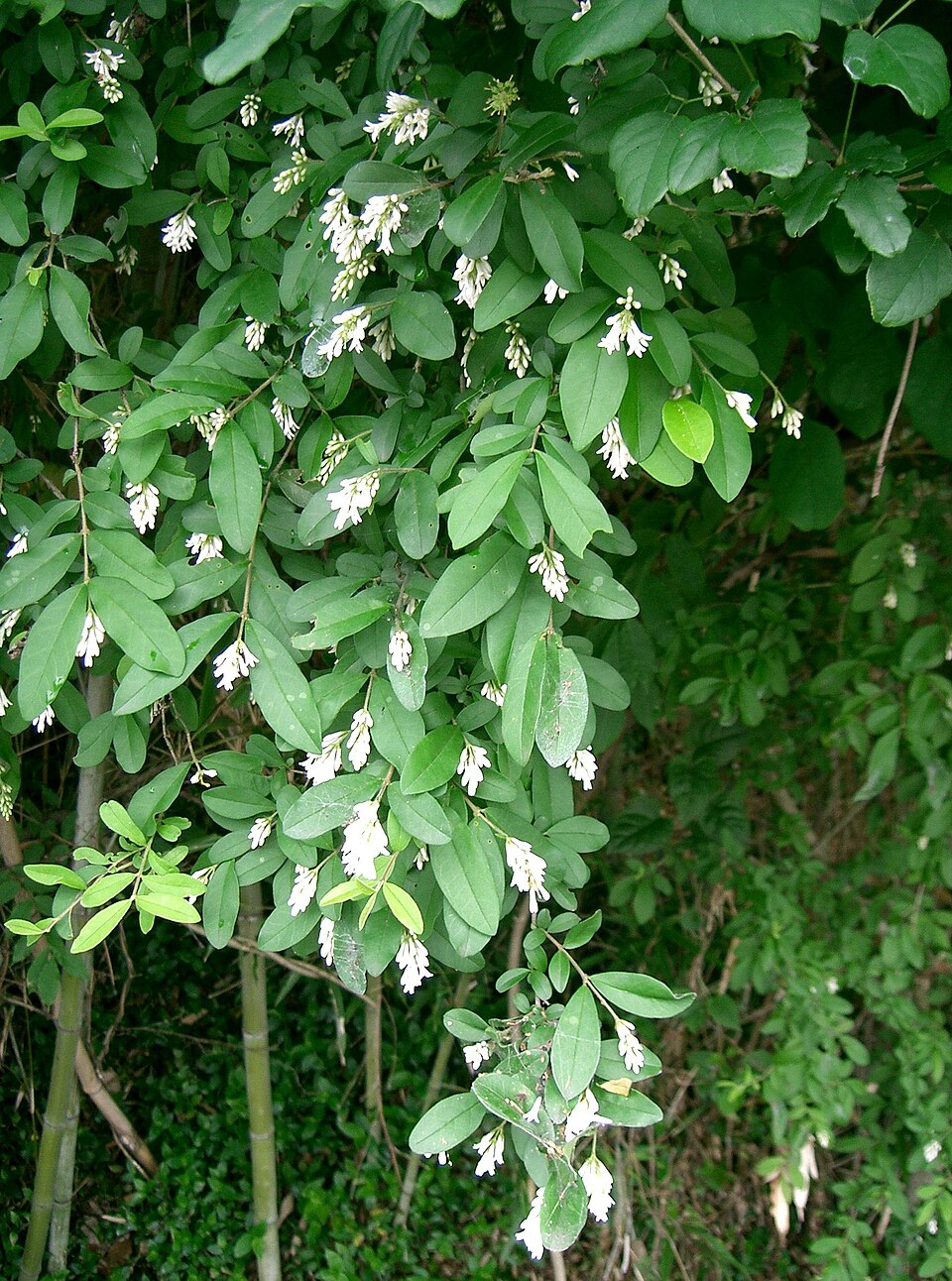
Ligustrum obtusifolium is a deciduous shrub introduced from Japan and Korea, growing 8-12 feet (2.4-3.7 m) tall and often wider, with low, horizontally spreading branches. The elliptic leaves are 1-2.5 inches (2.5-6 cm) long, dark green above and paler beneath, lining the twigs in opposite pairs. In early summer it bears nodding clusters of small white tubular flowers with a heavy scent that some find unpleasant. The flowers give way to clusters of small blue-black berries that ripen in fall and hang on into winter. Birds eat the fruit and scatter the seed widely, and L. obtusifolium has naturalized and become invasive across much of the eastern and central United States, where it forms dense thickets in woodlands and field edges and crowds out native plants. The shrub tolerates a wide range of soils, sun, and shade, which adds to its spread. Its invasiveness is the main reason gardeners are urged to limit it. It is hardy in USDA zones 4 through 7.
Native Range
Native to Japan and Korea. It was introduced to North America as a hedge plant and has since naturalized in the eastern and central United States, spreading into woodlands, fencerows, old fields, and roadsides.Suggested Uses
Historically planted as a hedge, screen, and windbreak, and still used that way in some regions. Because it spreads into natural areas, native shrubs are increasingly substituted for it where invasiveness is a concern.How to Identify
Appearance
Size & Dimensions
Height8' - 12'
Width/Spread10' - 15'
Bloom Information
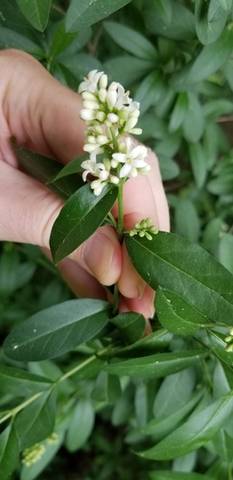
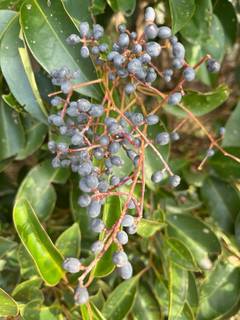
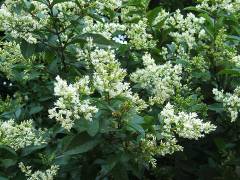
Small white tubular flowers open in nodding clusters in early summer, generally late May through June. The scent is strong and heavy, drawing bees and other insects. Blue-black berries ripen in fall and remain on the bare branches into winter, when birds disperse the seed.
Detailed Descriptions
Foliage Description
Dark greenGrowing Conditions
Sun Requirements
Requires 4-8 hours of direct sunlight daily
• Full Sun: 6+ hours of direct sunlight
• Partial Shade: 3-6 hours of direct sunlight
• Full Shade: Less than 3 hours of direct sunlight
Care & Maintenance
Care Guide
Grow L. obtusifolium in full sun to part shade in almost any well-drained soil; it tolerates poor ground, drought, and a wide pH range, which is part of why it spreads. Where it is grown, shearing keeps it dense as a hedge and removes flowers and fruit before seed sets. Cutting off the flower clusters limits the berries that birds carry into wild areas. In regions where it is invasive, removing seedlings and root sprouts checks its spread. The shrub resprouts strongly from cut stumps, so control may take repeated effort. It needs little routine care to remain vigorous.Pruning
Shear or prune in late spring after flowering, or earlier to prevent fruit set in areas where the plant escapes. It tolerates hard renewal pruning and resprouts readily from old wood. Cut stumps regrow vigorously, so follow-up cutting is often needed for removal.Pruning Schedule
Prune: June
late spring