Ligustrum, Genus, spp., Multiple species,
- Genus
- Multiple species
privets
Europe, North Africa, and especially eastern and southeastern Asia
Overview
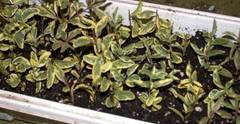
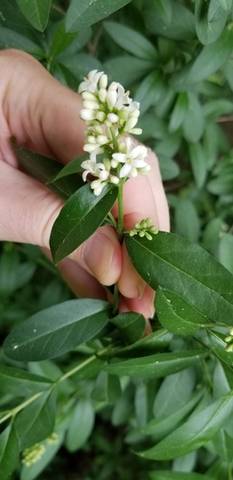
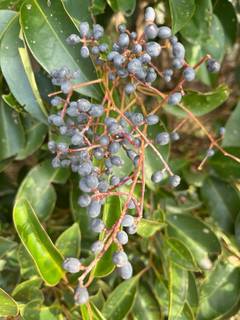
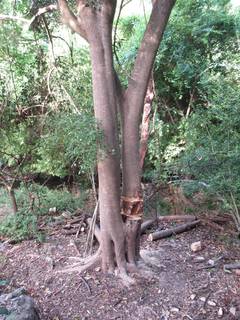
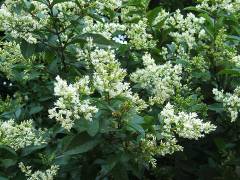
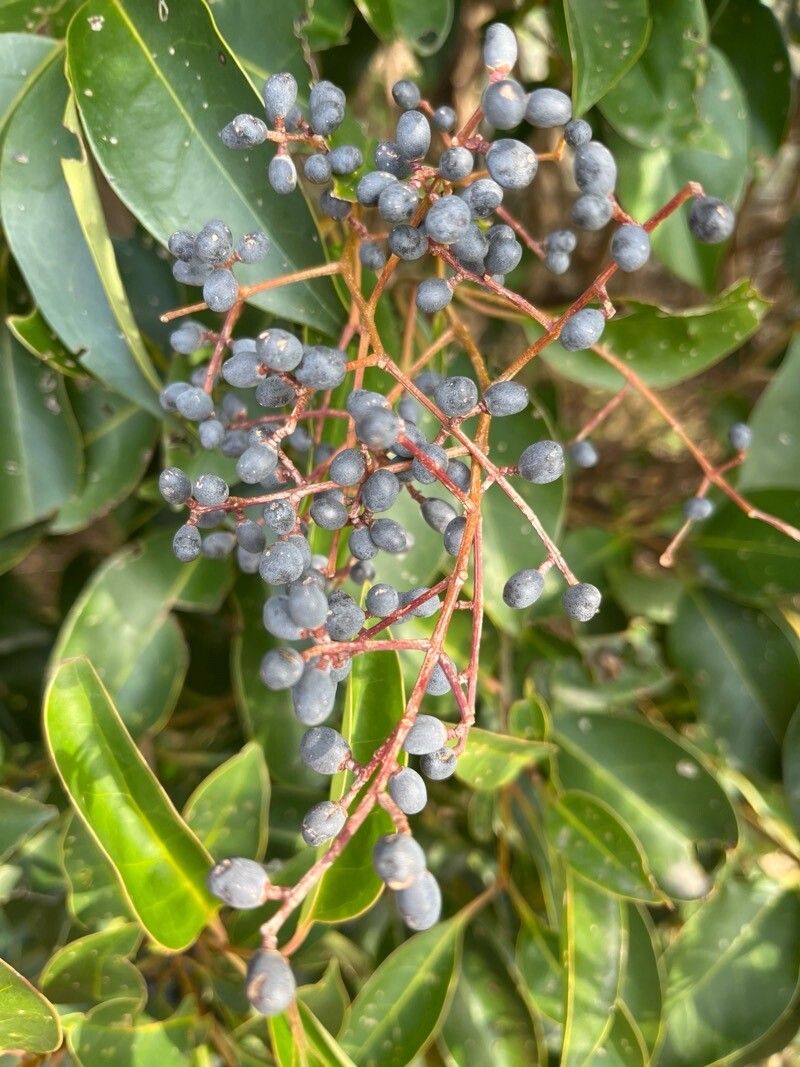
Ligustrum is a genus of about 50 species of deciduous, semi-evergreen, and evergreen shrubs and small trees in the olive family, Oleaceae, known as privets. Plants reach 6 to 40 feet (1.8 to 12 m) tall depending on species, the shrubby kinds forming dense, twiggy, multi-stemmed clumps and a few, such as glossy privet (L. lucidum), growing into round-crowned trees. The opposite leaves are oval to lance-shaped, 1 to 5 inches (2.5 to 12 cm) long, smooth-edged, and dull to glossy dark green, sometimes variegated in cultivated forms. In early to mid summer the plants carry dense, branched clusters of small, four-lobed, creamy-white flowers with a strong, sometimes heavy scent. These give way to clusters of small blue-black berries 0.2 to 0.3 inch (5 to 8 mm) across that hang into winter. Ligustrum is native to Europe, North Africa, and especially eastern and southeastern Asia, and grows in woodland, scrub, and hedgerows. Long used for clipped hedging because it tolerates hard, repeated shearing, several species, including Chinese privet (L. sinense), have escaped cultivation and are invasive across the southeastern United States and other regions. The leaves and berries contain glycosides toxic to people and animals if eaten.
Native Range
Ligustrum is native to Europe, North Africa, and Asia, with the great majority of species in eastern and southeastern Asia, including China, Japan, and the Himalayas. Plants grow in open woodland, thickets, scrub, streamsides, and hedgerows, and several Asian species have naturalized widely outside their range.Suggested Uses
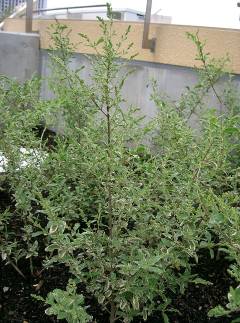
Ligustrum is planted for clipped formal hedges, screens, and topiary, as well as standards and small specimen trees in the case of glossy privet, set 12 to 24 inches (30 to 60 cm) apart for hedging. Variegated forms are grown for foliage color in borders and containers. In regions where the Asian species are invasive, non-invasive alternatives are used instead.How to Identify
Appearance
Size & Dimensions
Height6' - 40'
Width/Spread6' - 25'
Bloom Information
Ligustrum blooms in early to mid summer, generally June and July, carrying branched panicles of small creamy-white flowers above the foliage. The scent is strong and, to some people, unpleasant at close range. Bees and other insects work the flowers heavily. Sheared hedges clipped before midsummer produce few or no flowers, while unclipped plants flower and then set the persistent blue-black berries.
Detailed Descriptions
Foliage Description
dull to glossy dark green, some variegatedGrowing Conditions
Sun Requirements
Requires 4-10 hours of direct sunlight daily
• Full Sun: 6+ hours of direct sunlight
• Partial Shade: 3-6 hours of direct sunlight
• Full Shade: Less than 3 hours of direct sunlight
Care & Maintenance
Care Guide
Ligustrum grows in full sun to partial shade and almost any well-drained soil across a wide pH of 5.5 to 8.0, tolerating drought, urban conditions, and hard pruning once established. Evergreen species are hardy in USDA zones 7 to 10, while deciduous species withstand zone 4 or 5. Plants need regular water during the first season, after which most are low-maintenance and fast-growing. Privet aphid, thrips, and a fungal anthracnose and root rot can affect crowded or stressed plants. Because birds spread the berries and seedlings establish freely, the invasive species colonize woodland and fence lines well beyond where they are planted. Spent hedges are renewed by cutting hard into old wood, from which the plants resprout.Pruning
Ligustrum tolerates frequent, hard shearing and is widely used as a formal hedge plant. Hedges are clipped two or three times between late spring and late summer to keep a tight surface, and overgrown plants are cut back into bare old wood in late winter to renew them. Removing the flower and berry clusters by shearing also limits self-seeding of the invasive species.Pruning Schedule
Prune: May–July
late springsummer
Container Growing
Suitable for container growing
Minimum container size: 5 gallons