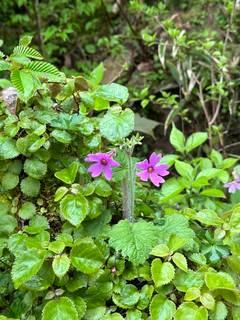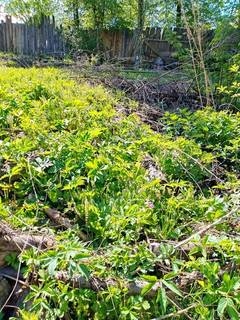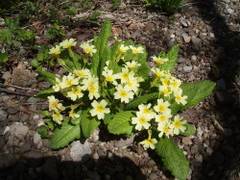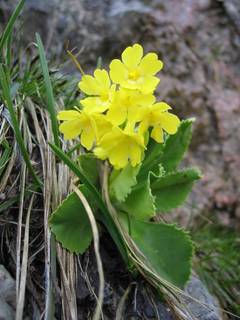
Primula, Genus, vulgaris, Species,
- Genus & species
common primrose
Europe, W Asia, N Africa (Britain to Turkey/Caucasus; deciduous woodlands, hedgerows, grasslands, stream banks; parent of most cultivated primroses)
Overview
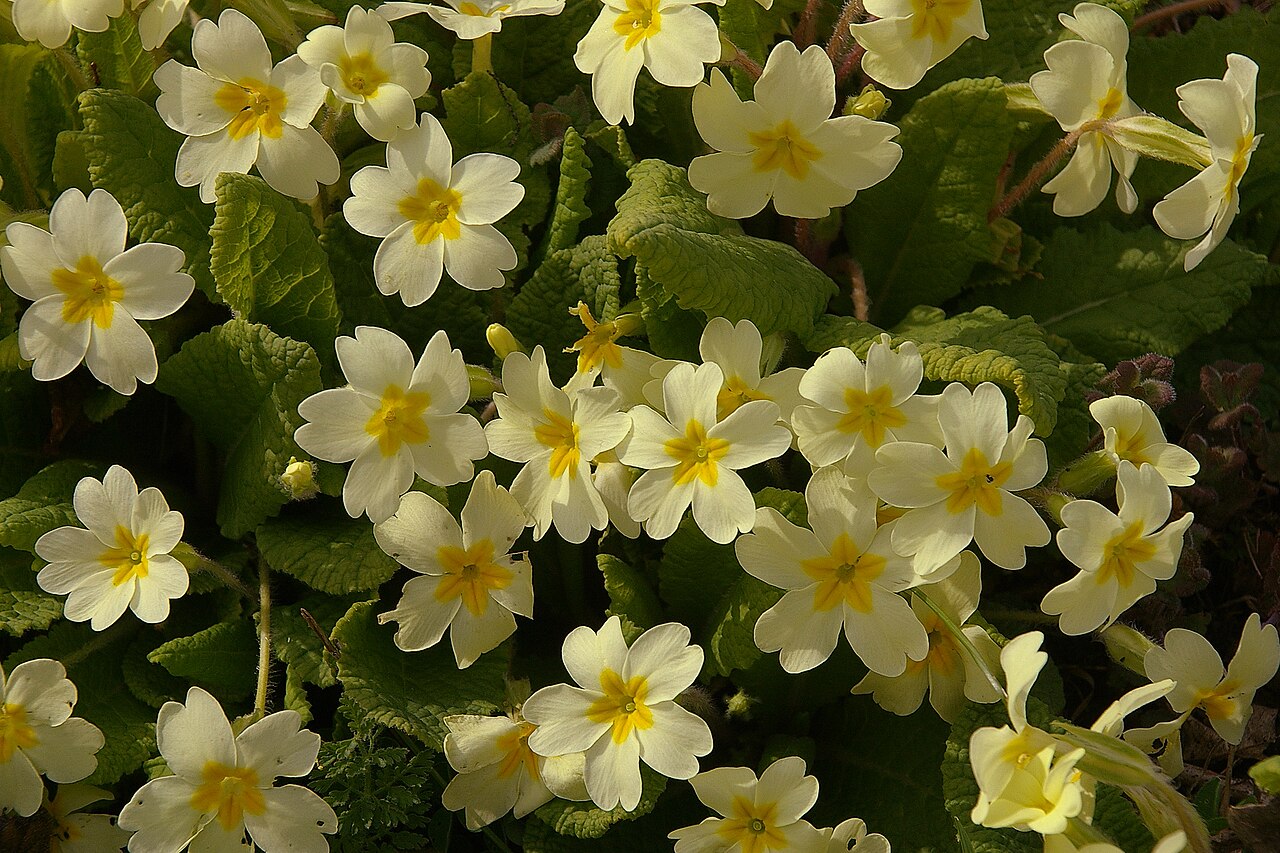
Primula vulgaris is a semi-evergreen perennial reaching 4-8 inches (10-20 cm) tall with a spread of 8-12 inches (20-30 cm) and a compact, rosette-forming habit. The species produces solitary, pale yellow flowers 1-1.5 inches (2.5-4 cm) wide with a deeper yellow center, each on its own individual stem arising from the center of the rosette—a key distinction from polyanthus types where flowers are clustered on a single stem. Blooms February-April. The oblong to oblanceolate leaves 4-8 inches (10-20 cm) long, medium green above, paler below, wrinkled, form a neat rosette. Growth rate is moderate. Hardy to zone 4. The wild primrose of European hedgerows and woodlands—the parent of most cultivated primroses. One of the earliest spring-flowering perennials.
Native Range
Primula vulgaris is native to Europe, western Asia, and North Africa—from Britain and Scandinavia south to the Mediterranean and east to Turkey and the Caucasus—in deciduous woodlands, hedgerows, grasslands, and stream banks.Suggested Uses
Planted as edging, in borders, woodland gardens, or naturalized under trees at 8-10 inch (20-25 cm) spacing. The wild primrose—earliest spring flowers (Feb-Apr). Naturalizes in shade. The parent species of most cultivated primroses. Not suitable for full sun, dry sites, or hot summer climates.How to Identify
Appearance
Size & Dimensions
Height4" - 8"
Width/Spread8" - 1'
Bloom Information
Detailed Descriptions
Flower Description
Pale yellow with deeper yellow center; 1-1.5 inch; solitary on individual stems; Feb-AprFoliage Description
Medium green above, paler below; oblong to oblanceolate 4-8 inches; wrinkled; neat rosetteGrowing Conditions
Sun Requirements
Requires 3-5 hours of direct sunlight daily
• Full Sun: 6+ hours of direct sunlight
• Partial Shade: 3-6 hours of direct sunlight
• Full Shade: Less than 3 hours of direct sunlight
Care & Maintenance
Care Guide
Plant in partial shade in moist, humus-rich, well-drained soil (pH 5.5-7.0). Hardy to zone 4. Consistent moisture needed, especially in spring. Tolerates summer drought better than candelabra types if shaded. Divide every 3-4 years to maintain vigor.Pruning
Remove spent flower stems. Remove dead outer leaves. Divide every 3-4 years in early autumn or after flowering.Pruning Schedule
Prune: April–May
late spring
Container Growing
Suitable for container growing
Minimum container size: 1 gallons