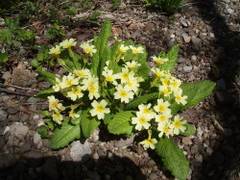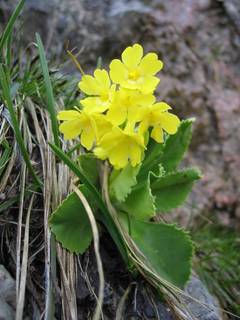
Primula sieboldii, sakura
1 / 3
Perennials

Primula sieboldii

sakura

PrimulaceaeAsia

At a Glance

TypePerennial
HabitClumping
FoliageDeciduous
Height6–12 inches (15–30 cm)
Width8–14 inches (20–35 cm)
Maturity3 years

Growing Zones

USDA Hardiness Zones

4 - 8
Zone 4
Zone 5
Zone 6
Zone 7
Zone 8
These zones indicate the coldest temperatures this plant can typically survive.
Frost Tolerancehardy

Key Features

Attracts Pollinators
Container Friendly
Maintenancelow

Overview

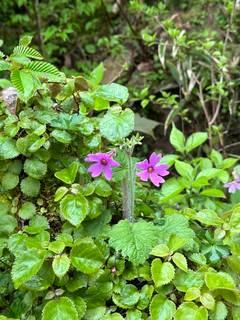
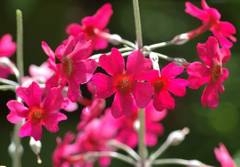
Primula sieboldii, commonly called Siebold's primrose or Japanese woodland primrose, is a deciduous herbaceous perennial in the family Primulaceae, native to moist, humus-rich, deciduous woodland margins, forest clearings, and streamside habitats across Japan (primarily Honshu), northeastern China (Manchuria), Korea, and the Russian Far East (Sakhalin, Ussuri). It is one of the most refined and horticulturally significant primulas for Pacific Northwest woodland gardens, producing basal rosettes of softly hairy, oval to heart-shaped, shallowly lobed leaves 2–4 inches (5–10 cm) long, and umbels of five to fifteen showy flowers 1–1.5 inches (2.5–4 cm) across on erect scapes 6–12 inches (15–30 cm) tall. The flowers are distinguished by their markedly fringed or toothed petal margins — a feature quite unlike most other primulas — in shades of pink, rose, white, and lavender, many with a contrasting white eye. One of the most beloved of Japanese garden plants, it has been cultivated in Japan for over 400 years with hundreds of named cultivars bred for flower form and color. The entire plant goes completely dormant in midsummer — the foliage disappears entirely, requiring the planting site to be marked to avoid accidental disturbance. A Great Plant Pick for Pacific Northwest gardens.

Native Range

Native to moist deciduous woodland margins, forest clearings, streamside habitats, and wet meadows in Japan (Honshu, widespread), northeastern China (Manchuria), the Korean Peninsula, and the Russian Far East (Sakhalin, Ussuri region), growing in humus-rich, moist, well-drained to average soils in partial shade at low to mid elevations. The species is now considered near-threatened in Japan due to loss of wetland habitat. Not native to North America.

Suggested Uses

Siebold's primrose is among the most refined and satisfying spring primulas for the Pacific Northwest woodland garden, offering fringed, lacey flowers of exceptional elegance in April and May followed by complete summer dormancy that simplifies summer garden management. A Great Plant Pick for Pacific Northwest gardens. Effective at the woodland border edge or beneath deciduous trees, where dappled light conditions mimic its native Japanese forest habitat. Combines beautifully with Japanese woodland companions — Epimedium, Disporum, Anemone nemorosa — and with early-spring bulbs such as Anemone blanda and Scilla that share the same flowering window and similarly go dormant in summer.

How to Identify

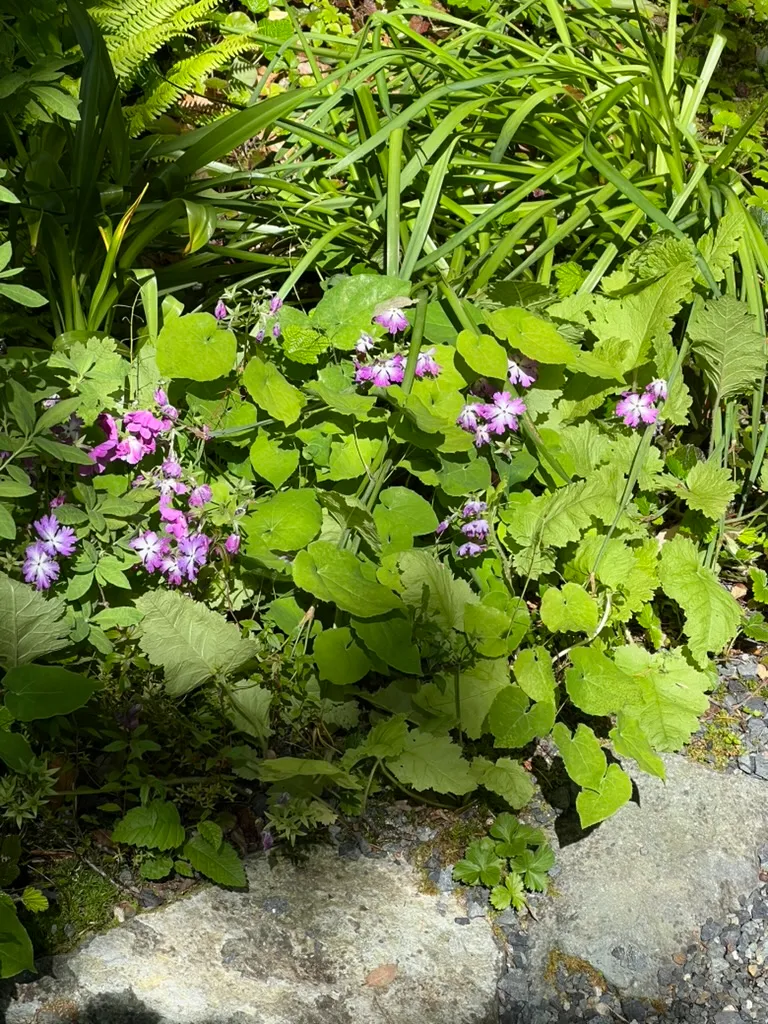
Siebold's primrose is identified by its softly hairy, oval to heart-shaped, shallowly lobed and toothed basal leaves 2–4 inches (5–10 cm) long, forming a loose rosette. In mid-spring, erect hairy scapes 6–12 inches (15–30 cm) tall bear terminal umbels of five to fifteen flat, five-petaled flowers 1–1.5 inches (2.5–4 cm) across in pink, rose, white, or lavender, many with a white eye; the petals are distinctly notched, fringed, or toothed at their margins — a key characteristic separating this species from most other primulas. The complete summer dormancy — the entire plant disappears from view by midsummer — is also diagnostic.

Appearance

Size & Dimensions

Height6" - 1'
Width/Spread8" - 1'2"

Reaches mature size in approximately 3 years

Colors

Flower Colors

pink
white
purple

Foliage Colors

green

Fall Foliage Colors

yellow

Bloom Information

Bloom Period

~4 weeks
J
F
M
A
M
J
J
A
S
O
N
D
Spring
Siebold's primrose blooms in mid-spring, typically April through May in Pacific Northwest gardens. Umbels of five to fifteen flowers on scapes 6–12 inches (15–30 cm) tall provide a sustained display over three to four weeks. The fringed or toothed petal margins give the flowers a distinctly lacey character compared to other spring primulas. After flowering, the foliage persists briefly before the entire plant enters complete summer dormancy — the leaves yellow and disappear entirely, leaving no visible trace by midsummer.

Detailed Descriptions

Flower Description

Pink, rose, white, or lavender; distinctly fringed or toothed petal margins; white eye; five to fifteen flowers per umbel

Foliage Description

Oval to heart-shaped, shallowly lobed and toothed, softly hairy, mid-green; forms loose rosette

Growing Conditions

Sun Requirements

Partial Shade
Full Shade
Tolerates up to 4 hours of direct sunlight daily
• Full Sun: 6+ hours of direct sunlight
• Partial Shade: 3-6 hours of direct sunlight
• Full Shade: Less than 3 hours of direct sunlight

Soil Requirements

pH Range5.5 - 7.0(Neutral)
357912
Soil Types
loampeat
Drainage
well drained

Water & Climate

Water Needs

Medium

Frost Tolerance

hardy

Time to Maturity

2–3 years

Care & Maintenance

Care Guide

Plant in partial shade in moist, humus-rich, well-drained to average, slightly acidic to neutral soil. Siebold's primrose thrives in the cool, moist conditions of Pacific Northwest woodland gardens. Incorporate generous leaf mold at planting. Keep consistently moist through the spring growing season; the plant tolerates and even benefits from drier conditions during summer dormancy. Mark the planting site clearly before the plant goes dormant in summer to avoid accidental damage. The rhizomes spread slowly by stolons; do not divide for at least three years after planting to allow establishment. Slug control is particularly important in early spring when the emerging leaves are vulnerable.

Pruning

No pruning required. Allow the foliage to yellow and die back completely in midsummer — do not cut it back while still green. No deadheading is needed unless seed production is not desired. Remove dead foliage in autumn or early spring. Mark dormant plants to prevent accidental disturbance in summer.

Pruning Schedule

J
F
M
A
M
J
J
A
S
O
N
D
fall

Maintenance Level

low

Container Growing

✓ Suitable for container growing

Minimum container size: 3 gallons

⚠️ Toxicity Warning

Non-toxic
Primula sieboldii (sakura) - Identification & Care Guide | PlantRef