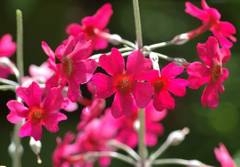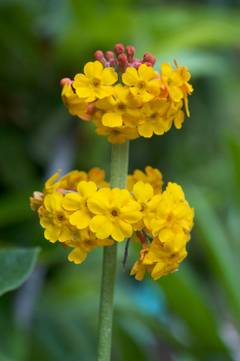
Primula, Genus, veris, Species,
- Genus & species
cowslip
Overview
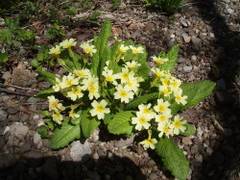
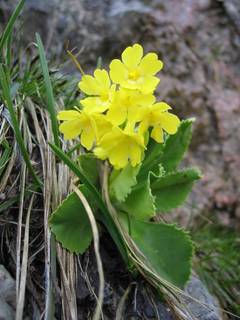
Primula veris is a low herbaceous perennial in the primrose family, growing 4-10 inches (10-25 cm) tall from a basal rosette of leaves. The leaves are wrinkled and tongue-shaped, 2-6 inches (5-15 cm) long, tapering abruptly to a winged stalk. In spring a single upright stem carries a one-sided, nodding umbel of up to 10 to 30 tubular flowers, each about 0.4-0.6 inch (1-1.5 cm) across, deep yellow with five small orange spots in the throat and held in an inflated pale green calyx. The flowers carry a sweet, slightly apricot scent and draw long-tongued bees and bee-flies. Native to Europe and western Asia, it grows in unimproved meadows, pastures, road verges, and open woodland, often on lime-rich soils. Like other primroses it is pin- and thrum-flowered, with two flower forms that promote cross-pollination. Its numbers fell sharply with intensive farming and herbicide use, though it has recovered where grasslands are managed for wildflowers. It is slow to spread and grows poorly on heavy, waterlogged ground in winter.
Native Range
Native to Europe and western Asia, in meadows, pastures, grassy banks, and open woodland, often on calcareous soils. It ranges from Britain and Scandinavia across to the Caucasus and western Asia.Suggested Uses
Grown in wildflower meadows, cottage gardens, grassy banks, and the front of borders, and naturalized in short turf. The fragrant spring flowers suit pollinator and naturalistic plantings. The edible flowers are used to flavor country wines, sweets, and salads.How to Identify
Appearance
Size & Dimensions
Height4" - 10"
Width/Spread6" - 10"
Bloom Information
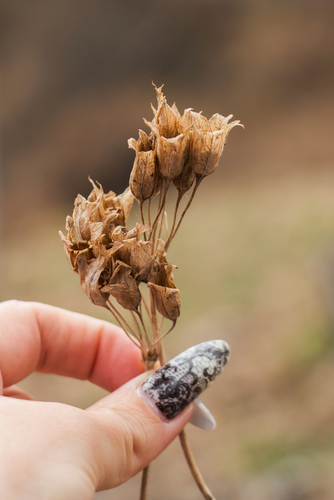
Flowers in spring, generally April to May, with each stem holding a one-sided umbel of fragrant yellow blooms. The scented flowers draw bees and bee-flies for nectar. Seed capsules ripen by early summer and shed seed near the parent plant.
Detailed Descriptions
Flower Description
Deep yellow with orange throat markingsFoliage Description
GreenGrowing Conditions
Sun Requirements
Requires 4-8 hours of direct sunlight daily
• Full Sun: 6+ hours of direct sunlight
• Partial Shade: 3-6 hours of direct sunlight
• Full Shade: Less than 3 hours of direct sunlight
Care & Maintenance
Care Guide
Grows in full sun to part shade in moist but well-drained, fertile soil with a pH of about 6.5 to 8.0, doing well on lime-rich ground. Needs steady moisture in spring but tolerates summer dryness once the foliage matures. Self-sows where the ground is open and lightly grazed or mown after seeding. Needs little care and is rarely troubled by pests, though it can suffer crown rot in wet, heavy soils. Clumps can be lifted and divided after flowering to increase stock.Pruning
No pruning is needed. Removing spent flower stems prevents self-seeding where it is not wanted, or they can be left to set seed. Tired clumps can be divided every few years after flowering.Container Growing
Suitable for container growing
Minimum container size: 1 gallons