Primula, Genus, acaulis, Species,
- Genus & species
stemless primrose
Western and southern Europe (British Isles, Scandinavia, Iberian Peninsula, the Mediterranean, and east to the Caucasus and Turkey); deciduous woodland margins, hedge banks, meadows, and grasslands from sea level to approximately 6,500 feet (2,000 m).
Overview
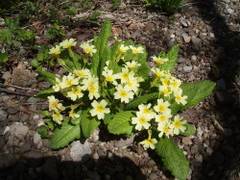
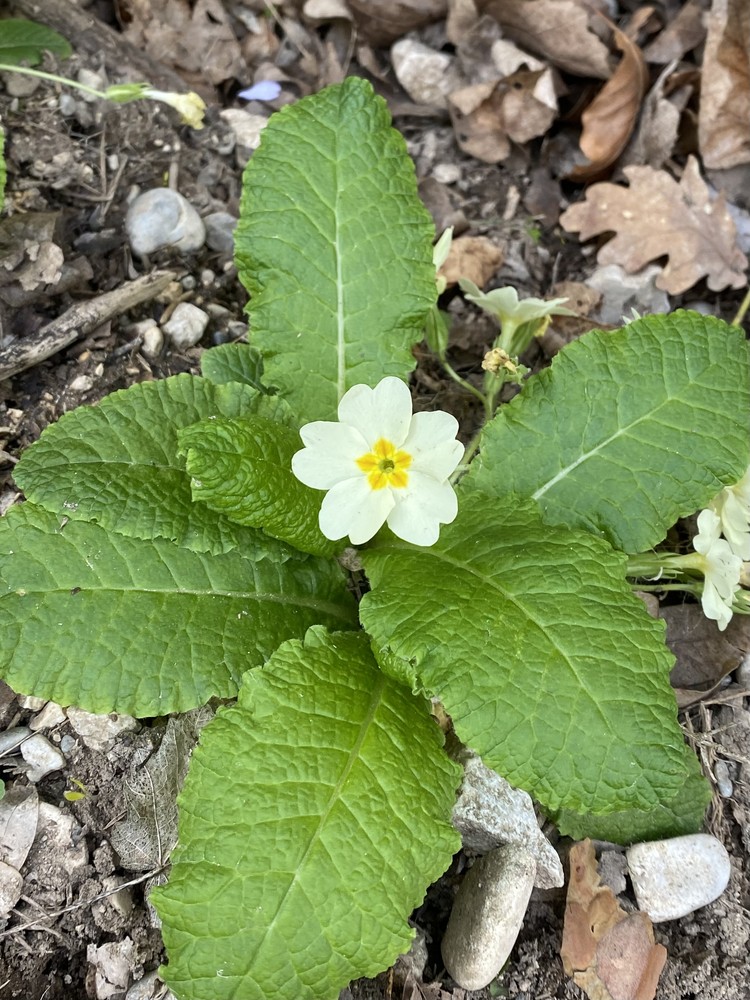
Primula acaulis (synonym P. vulgaris) is a semi-evergreen perennial in the primrose family (Primulaceae), forming basal rosettes of crinkled tongue-shaped leaves 4-8 inches (10-20 cm) long and 1.5-2.5 inches (4-6 cm) wide with prominent veining and a rough-textured upper surface. Plants reach 4-8 inches (10-20 cm) tall in flower and 8-12 inches (20-30 cm) wide. Individual flowers are 1-1.5 inches (2.5-4 cm) across, five-petalled with a notched apex on each petal, borne on short individual pedicels 2-4 inches (5-10 cm) long arising directly from the crown rather than on a single common stalk, which separates this species from polyanthus types (P. × polyantha) where flowers are carried in umbels on a common stalk. Wild-type flower color is pale yellow with a darker yellow center, and cultivated forms have produced white, yellow, pink, red, purple, blue, and orange across the cultivated cultivar range. The species shows heterostyly (pin and thrum flower morphs): pin flowers carry a long style with the stigma at the corolla mouth and the anthers low in the corolla tube, while thrum flowers carry a short style with the stigma low in the tube and the anthers raised at the corolla mouth, and the two morphs require cross-pollination between forms for full seed set. Heterostyly is a key teaching example in the evolution of outcrossing mechanisms in plants and was first studied in detail by Charles Darwin in this genus. In the Pacific Northwest, bloom begins in late January to February in mild winters and continues through April. Foliage may become semi-dormant and tattered in summer heat above 80°F (27°C) but recovers with autumn rain, and the species performs as a cool-season annual south of USDA zone 8 in hot humid summer climates where the heat-stress decline is permanent rather than recoverable. Susceptible to vine weevil larvae (root damage), slugs (foliage damage), and botrytis (in wet poorly ventilated conditions). Hardy in USDA zones 4-8 (-30°F / -34°C).
Native Range
Primula acaulis is native across western and southern Europe, with a range from the British Isles and Scandinavia south through the Iberian Peninsula and the Mediterranean basin, and east through Italy and the Balkans to the Caucasus and Turkey. The species occurs in deciduous woodland margins, hedge banks, meadows, and grasslands from sea level to approximately 6,500 feet (2,000 m). The species is a familiar wildflower of British and Irish hedgerows and woodland edges, where the late-winter bloom appears between February and April and gives the species its long history as a folk symbol of spring (the common name primrose comes from the Latin prima rosa, first rose, referring to the early-season bloom).Suggested Uses
Used in woodland gardens, shaded borders, and beneath deciduous trees and shrubs at 8-10 inch (20-25 cm) spacing, where the late-winter-to-spring flower carpet appears before most other perennials begin growth. Container culture is straightforward in pots of 2 gallons (7.5 liters) or larger for winter and spring color on porches and patios in mild Pacific Northwest winters. The species naturalizes in moist semi-shaded lawns and meadows where grass is not mown before May, allowing the bloom and seed-set window to complete. The heterostyly pin-and-thrum flower morphology is a teaching feature for plant reproductive biology, with the genus being the original study system for heterostyly research.How to Identify
Appearance
Size & Dimensions
Height4" - 8"
Width/Spread8" - 1'
Bloom Information
In the Pacific Northwest, flowering begins as early as late January in mild winters, with peak bloom from February through April and a total bloom span of 6-10 weeks. Individual flowers last 2-3 weeks. A sporadic second flush may occur in cool moist autumn weather. Pollination is by long-tongued bumblebees (which work the corolla tube length to reach the nectar at the base) and by bee flies (Bombylius major) early in the season when little other forage is available. Heterostyly produces compatible cross-pollination only between pin and thrum morphs: pollen from a pin flower (low anthers) deposits on the lower body of a visiting bee, where it contacts the low stigma of the next thrum flower visited; pollen from a thrum flower (high anthers) deposits on the upper body of a visiting bee, where it contacts the high stigma of the next pin flower visited.
Detailed Descriptions
Flower Description
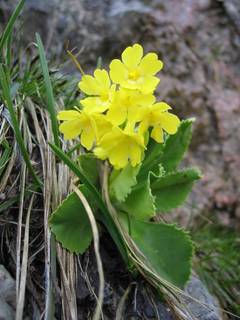
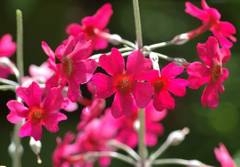
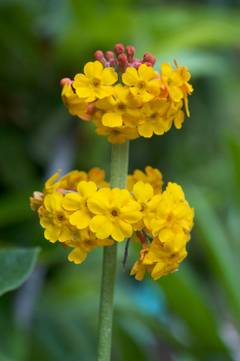
Pale yellow with a darker yellow center in the wild type; cultivated forms span white, yellow, pink, red, purple, blue, and orange across the broader Primula acaulis cultivar rangeFoliage Description
Medium to dark green; basal rosette of crinkled tongue-shaped leaves 4-8 inches (10-20 cm) long and 1.5-2.5 inches (4-6 cm) wide with prominent veining and a rough-textured upper surfaceGrowing Conditions
Sun Requirements
Requires 3-6 hours of direct sunlight daily
• Full Sun: 6+ hours of direct sunlight
• Partial Shade: 3-6 hours of direct sunlight
• Full Shade: Less than 3 hours of direct sunlight
Care & Maintenance
Care Guide
Plant in partial shade in humus-rich moist but well-drained soil at pH 5.5-7.0, with spacing of 8-10 inches (20-25 cm) apart. In the Pacific Northwest, morning sun with afternoon shade extends the bloom window and reduces leaf scorch and premature summer dormancy. Watering is regular through the growing season and the root zone should not dry completely, since drought stress accelerates summer dormancy onset. Mulch with 1-2 inches (2.5-5 cm) of leaf mould or composted bark maintains the cool moist soil that the species requires. Congested clumps are divided every 3-4 years immediately after flowering completes, which both renews vigor and propagates the planting. Balanced liquid fertilizer in early spring as flower buds develop supports both bloom and the early foliage flush. The species is susceptible to root damage from vine weevil larvae, foliage damage from slugs in damp Pacific Northwest conditions, and botrytis in wet poorly ventilated plantings; routine garden hygiene and slug-management strategies handle the standard pressures.Pruning
Spent flower stalks are removed at the base after bloom to tidy the appearance and prevent self-seeding (unless naturalization is desired). Tattered summer foliage is cut back in late autumn, and fresh leaves emerge with autumn rain to overwinter as the semi-evergreen rosette. No other pruning is needed.Pruning Schedule
Prune: May
late spring
Container Growing
Suitable for container growing
Minimum container size: 2 gallons