Image 1 of 10
1 / 10
Plant Reference
Primula, Genus, kisoana, Species,
- Genus & species
Kisan primrose
Japan (Honshu) — the Kiso Mountains and surrounding regions in central Japan; moist mountain forest understory at middle elevations
Overview
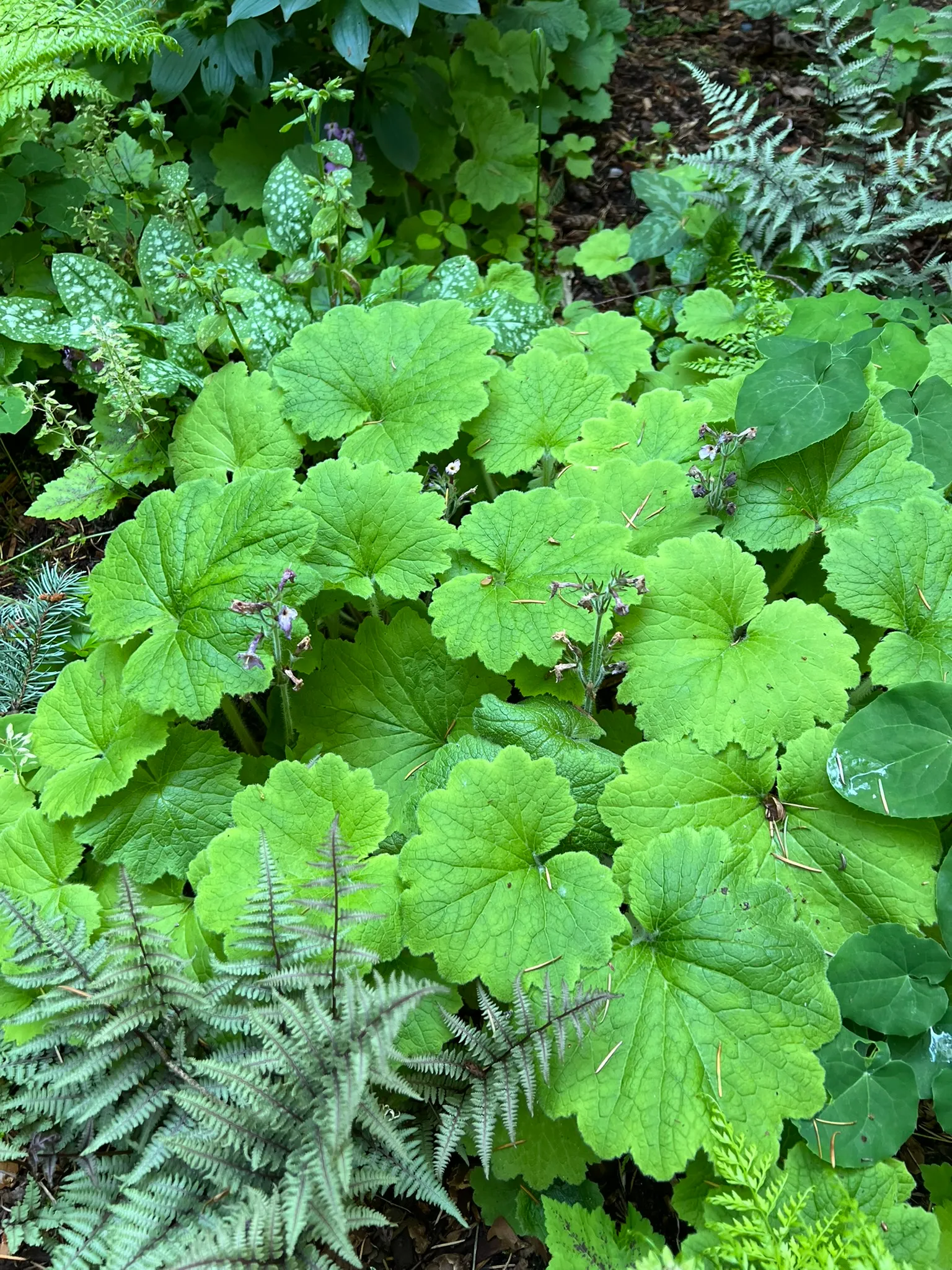
Primula kisoana is a small spreading deciduous perennial in the family Primulaceae growing 4–8 inches (10–20 cm) tall in bloom and spreading 6–12 inches (15–30 cm) per plant from underground stolons that produce new plantlets along the spreading length. Leaves are medium green, rounded, palmately lobed with 5–7 shallow lobes that give the leaf a maple-like outline, 2–4 inches (5–10 cm) across, carried on long petioles, and softly covered in short hairs on both surfaces — the palmately lobed leaf shape is atypical for Primula because the majority of species in the genus carry simple unlobed leaves, and the lobed outline is one of the easier field characters for separating P. kisoana from other woodland primulas. Pink to rose-pink 5-petaled flowers with notched petal tips 0.75–1 inch (18–25 mm) across open in umbels of 3–8 flowers on hairy stems 4–6 inches (10–15 cm) above the foliage in April and May across a 2–3 week bloom period; the cultivar 'Alba' opens pure white and is the form planted when a brighter shade-garden accent is the design goal. The species spreads by underground stolons that produce new plantlets along their length, and this stoloniferous vegetative spread is a trait found in only a handful of species in the genus Primula, which more commonly rely on self-sowing and crown division for colony expansion — the vegetative spread allows P. kisoana to form ground-cover colonies over several years and makes the species among the easier woodland primulas to establish and maintain in temperate shade gardens. Native to Japan (Honshu), specifically the Kiso Mountains and surrounding forested regions in central Japan, where the species grows in the moist understory of mountain forest habitats at middle elevations. Limitation: the species enters a partial or complete summer dormancy during hot dry conditions, and the foliage yellows and dies back in July and August in warm continental climates, leaving a ground-cover gap that is filled by the spreading clumps when cooler fall weather returns — in cool moist maritime climates the foliage persists through the full growing season without summer dieback. Non-toxic and deer-resistant.
Native Range
Native to Japan, specifically the island of Honshu and the Kiso Mountains in central Japan, growing in the moist understory of mountain forest habitats at middle elevations on humus-rich substrates under a deciduous and mixed-conifer canopy. The species has been cultivated in Japanese temple and garden settings for centuries and was introduced to western horticulture in the late 19th and early 20th centuries through plant-hunting expeditions in central Japan.Suggested Uses
Used as a shade ground cover in woodland gardens, mixed shade borders, and at the base of deciduous shrub plantings in USDA zones 4 through 8 at 6–12 inch (15–30 cm) spacing between plants, and the stoloniferous spread fills the surrounding ground over several years to produce a continuous carpet of maple-like lobed foliage and spring bloom. Companion plantings of Hepatica, Erythronium, Trillium, Asarum, and woodland ferns pair well with the species in mixed spring ephemeral plantings. Hot dry sun-exposed positions and gardens without consistent spring moisture are unsuitable because of the moisture requirement and the summer dormancy response to heat stress.How to Identify
Appearance
Size & Dimensions
Height4" - 8"
Width/Spread6" - 1'
Bloom Information
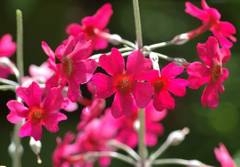
Pink to rose-pink (species type) or pure white (cultivar 'Alba') 5-petaled flowers with notched petal tips 0.75–1 inch (18–25 mm) across open in umbels of 3–8 flowers on hairy stems 4–6 inches (10–15 cm) above the foliage in April and May across a 2–3 week bloom period. Honeybees and native solitary bees work the flowers for nectar during the spring bloom window. Foliage holds through the full growing season in cool moist maritime climates and enters a partial or complete summer dormancy in hot dry continental climates with the foliage yellowing and dying back in July and August.
Detailed Descriptions
Flower Description
pink to rose-pink (species type) or pure white (cultivar 'Alba'); 5-petaled flowers with notched petal tips 0.75-1 inch (18-25 mm) across, carried in umbels of 3-8 flowers on hairy stems 4-6 inches (10-15 cm) above the foliageFoliage Description
medium green; rounded palmately lobed (maple-like) softly hairy leaves 2-4 inches (5-10 cm) across on long petioles; the maple-like lobed leaf shape differs from most other species in the genus which carry simple unlobed leavesGrowing Conditions
Sun Requirements
Requires 1-4 hours of direct sunlight daily
• Full Sun: 6+ hours of direct sunlight
• Partial Shade: 3-6 hours of direct sunlight
• Full Shade: Less than 3 hours of direct sunlight
Care & Maintenance
Care Guide
Site in partial shade to full shade with 1–4 hours of direct sun per day, typically under the deciduous canopy of a mixed shade border or woodland garden where spring light supports the April and May bloom and summer shade holds soil moisture through the warm months. Humus-rich well-drained soil with a pH of 5.5–7.0 holds the crown and the spreading stolons through the full growing season, and consistent moisture through the spring and early summer supports the foliage and the underground stolon production. The species is not drought-tolerant and enters a partial or complete summer dormancy during hot dry conditions, and supplemental watering during dry spells extends the foliage display into late summer. Vegetative spread is by underground stolons that produce new plantlets along their length, which makes the species self-propagating in suitable positions and calls for occasional thinning of the spreading colony to hold the planting at a designed size. Non-toxic and deer-resistant. Hardy in USDA zones 4–8.Pruning
Spent flower stems are cut or snapped off at the base after bloom if self-sowing is not wanted, or left to set seed where natural seedling establishment is the design goal alongside the stoloniferous spread. Foliage is allowed to yellow and die back naturally as the plant enters summer dormancy in warm climates, or remains through the full growing season in cool moist maritime climates where dormancy is absent or very late. Any dead foliage from the dormancy cycle is cleared in late fall (November) before the winter rest. No other pruning is needed through the year.Pruning Schedule
Prune: November
fall
Container Growing
Suitable for container growing
Minimum container size: 2 gallons