Primula, Genus, japonica, Species,
- Genus & species
Japanese primrose
Japan (moist meadows, streambanks, and boggy areas in the mountains of Honshu, Shikoku, and Kyushu)
Overview
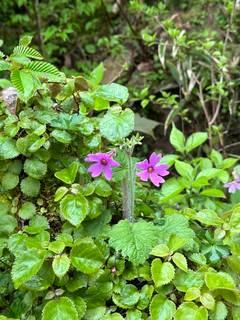
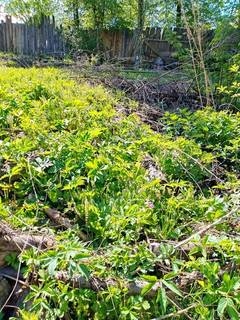
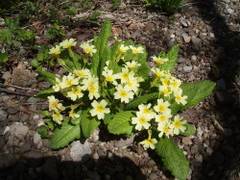
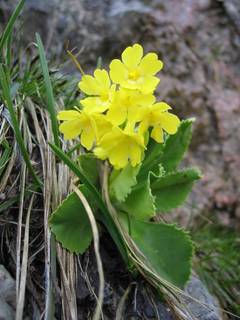
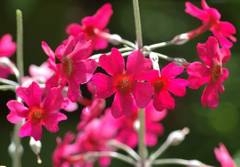
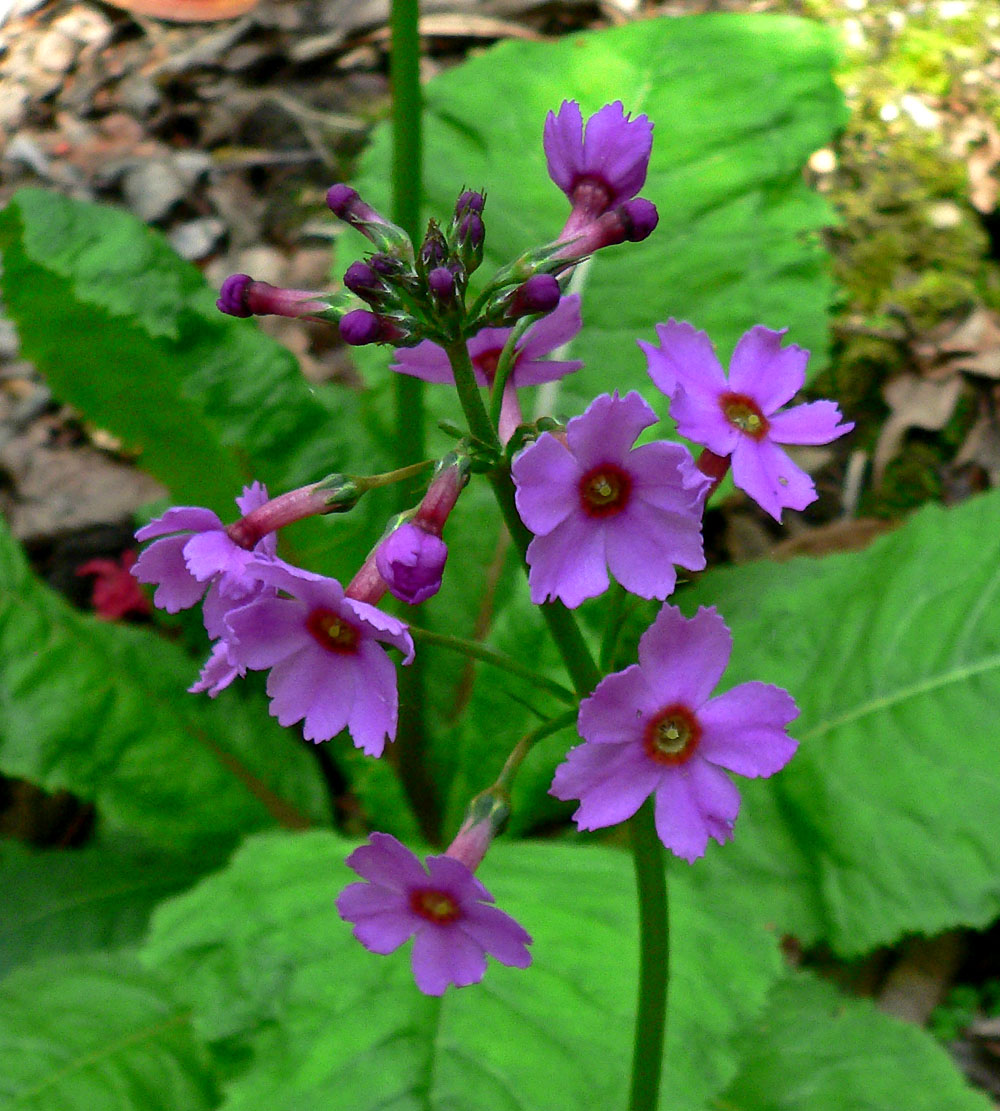
Primula japonica is a deciduous clump-forming perennial reaching 12–24 inches (30–60 cm) tall and 12–18 inches (30–45 cm) wide, with an upright habit rising from a broad basal rosette. The species is a candelabra primrose carrying 3–6 tiered whorls of flowers along a stout upright stem. Individual flowers are 0.6–1 inch (15–25 mm) wide. The species type is magenta-pink to purplish-red with a darker eye, though color varies in seed-grown populations. Bloom runs May–June. Oblanceolate to spatulate leaves 6–12 inches (15–30 cm) long, medium green, coarsely toothed, form a robust basal rosette. Growth rate is moderate to fast. Hardy in USDA zones 4–8. Self-sowing is vigorous in consistently moist soil and produces large naturalized colonies in suitable bog and streamside conditions; in a cultivated border, the seed-set requires management via deadheading to prevent self-sowing from displacing other plantings. The species requires constant soil moisture — dry soils cause collapse of flower stems and premature dieback of basal foliage — and toxicity of all plant parts to pets (saponins and primin) excludes positions accessible to grazing animals.
Native Range
Primula japonica is native to Japan, in moist meadows, streambanks, and boggy areas in the mountains of Honshu, Shikoku, and Kyushu.Suggested Uses
Planted at streamsides, pond margins, rain gardens, and bog gardens at 12–18 inch (30–45 cm) spacing in USDA zones 4–8, where the native wetland hydrology supports vigorous colony formation via self-sowing. The tiered magenta-pink candelabra whorls above coarse basal rosettes combine with other moisture-loving companions such as Rodgersia, Darmera peltata, and Iris ensata in streamside and bog plantings. Toxicity of all plant parts to pets means positions accessible to grazing animals are not used. Dry well-drained borders and any site that dries out between watering cycles fall outside the species' adapted range.How to Identify
Appearance
Size & Dimensions
Height1' - 2'
Width/Spread1' - 1'6"
Bloom Information
Detailed Descriptions
Flower Description
Magenta-pink to purplish-red with darker eye; 0.6–1 inch (15–25 mm) wide; arranged in 3–6 tiered candelabra whorls on stout upright stems; May–JuneFoliage Description
Medium green; oblanceolate to spatulate 6–12 inches (15–30 cm); coarsely toothed; basal rosetteGrowing Conditions
Sun Requirements
Requires 3-6 hours of direct sunlight daily
• Full Sun: 6+ hours of direct sunlight
• Partial Shade: 3-6 hours of direct sunlight
• Full Shade: Less than 3 hours of direct sunlight
Care & Maintenance
Care Guide
Plant in partial shade in consistently moist to wet humus-rich loam, peat, or silty soil at pH 5.5–7.0. Hardy in USDA zones 4–8. Constant soil moisture is required; the species collapses within days in dry soil, with flower stems wilting and basal foliage burning off. Streamside, pond-margin, rain-garden, and bog-garden positions match the species' native hydrology. Some sun exposure is tolerated in positions where soil remains saturated. Self-sowing is vigorous in suitable moisture; in a cultivated border, deadhead stems after peak bloom to prevent seedlings from displacing neighboring plantings.Pruning
Deadhead spent flower stems in late June or July to reduce self-sowing; alternatively, leave stems to naturalize in bog and streamside positions. Allow basal foliage to die back on its own in autumn and clear dried leaves in late winter before new growth emerges.Pruning Schedule
Prune: June–July
summer
Container Growing
Suitable for container growing
Minimum container size: 2 gallons