Polemonium, Genus, reptans, Species,
- Genus & species
Jacob's ladder
Overview
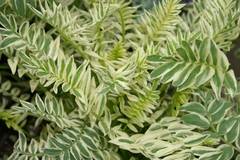
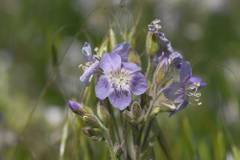
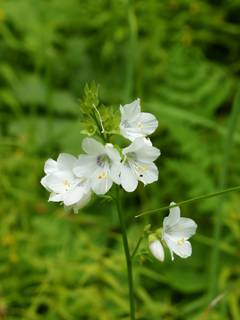
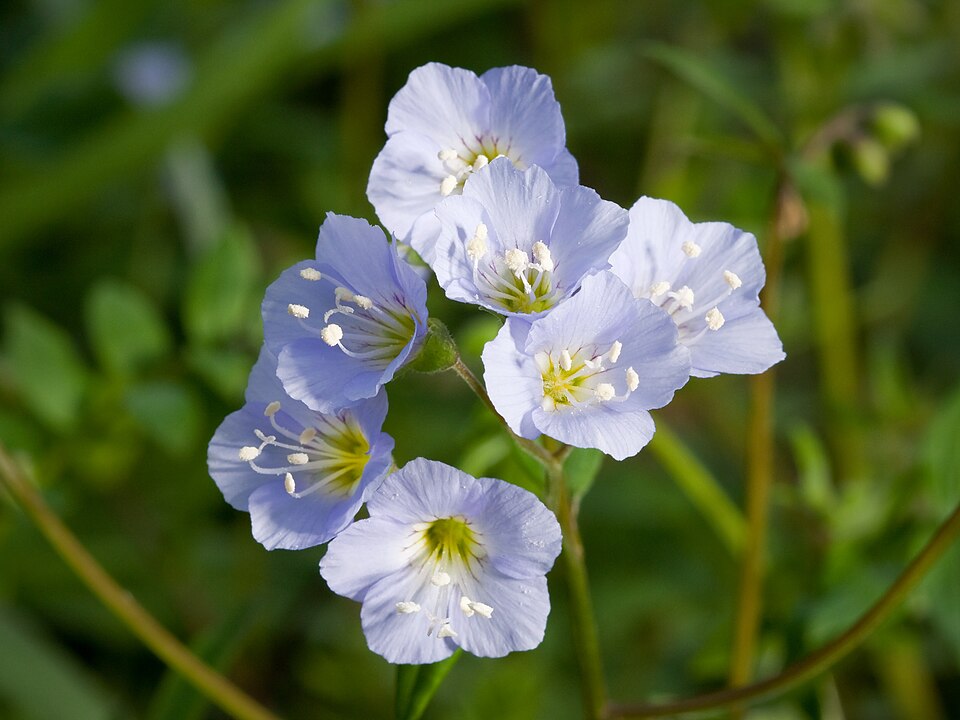
Polemonium reptans is a clump-forming woodland perennial of the eastern United States, growing 8-16 inches (20-40 cm) tall and 12-18 inches (30-45 cm) wide. The leaves are pinnately divided into 7-19 paired leaflets arranged like rungs on a ladder, giving the plant its common name. In mid to late spring, loose nodding clusters of bell-shaped light blue to lavender flowers 0.5 inch (1.3 cm) wide rise on slender, weakly upright stems. Despite the epithet reptans, the plant does not creep far but forms a low, spreading mound. It grows in moist, rich woods, on shaded slopes, and along stream banks. After flowering the stems may flop and the foliage can decline in summer heat and dry soil. The plant self-sows where conditions suit, filling in shaded ground over time.
Native Range
Native to the eastern United States, from New York and Minnesota south to Georgia and Mississippi, in moist woodlands and along streams.Suggested Uses
Used in shade and woodland gardens, native plantings, and the front of moist borders. It combines with ferns, Tiarella, and wild ginger in low light. The spring flowers draw early bees and other pollinators.How to Identify
Appearance
Size & Dimensions
Height8" - 1'4"
Width/Spread1' - 1'6"
Bloom Information
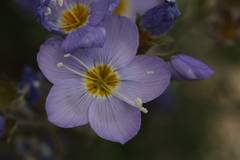
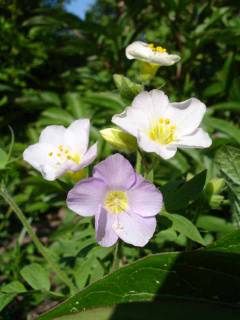
Flowers open from April to May in loose, nodding clusters above the foliage. The bell-shaped blooms are light blue to lavender. Bloom lasts 3-4 weeks in spring.
Detailed Descriptions
Flower Description
light blue to lavenderFoliage Description
greenGrowing Conditions
Sun Requirements
Tolerates up to 4 hours of direct sunlight daily
• Full Sun: 6+ hours of direct sunlight
• Partial Shade: 3-6 hours of direct sunlight
• Full Shade: Less than 3 hours of direct sunlight
Care & Maintenance
Care Guide
Grows in part to full shade in moist, humus-rich, well-drained soil with a pH of 5.5-7.0. Consistent moisture keeps the foliage fresh, while hot, dry conditions cause early decline. Established plants need little care beyond occasional watering in drought and an annual leaf-mold mulch. Self-sown seedlings can be moved or thinned in spring. Hardy in USDA zones 3-8. Powdery mildew and leaf spot may appear in crowded, humid sites.Pruning
Spent flower stems are cut back after bloom to tidy the clump and limit self-seeding. Tired foliage can be sheared in summer to bring fresh growth. No other pruning is needed.Pruning Schedule
Prune: June
summer
Container Growing
Suitable for container growing
Minimum container size: 2 gallons