Polemonium, Genus, spp., Multiple species,
- Genus
- Multiple species
Jacob's ladders
Overview
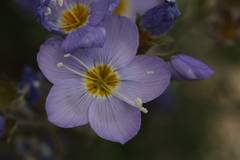
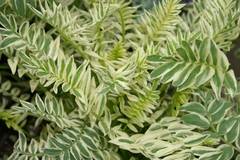
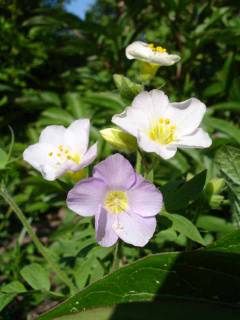
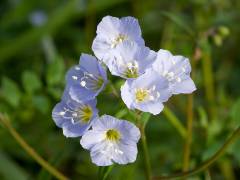
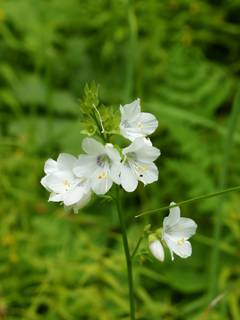
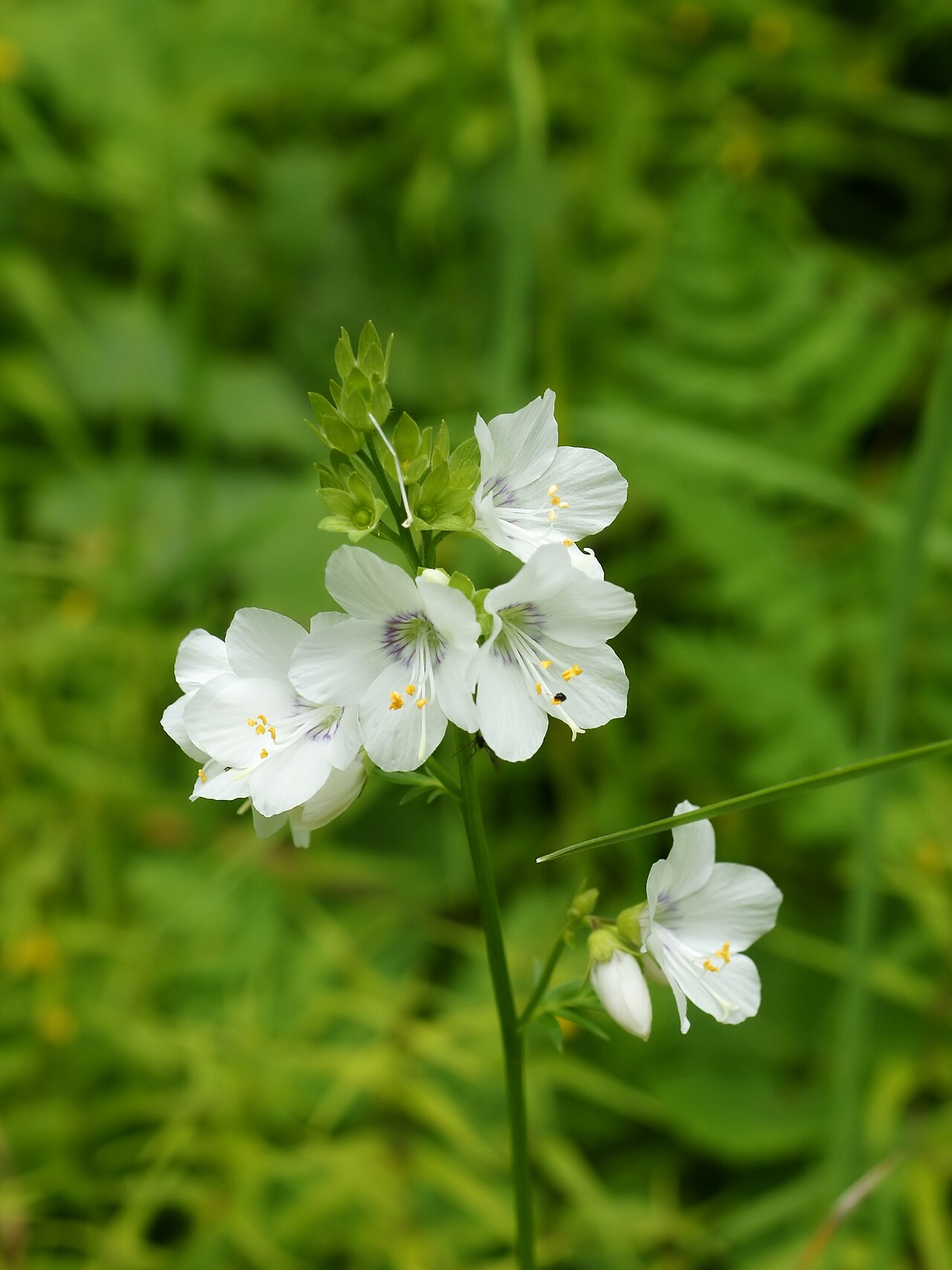
Polemonium is a genus of about 25-40 species of mostly perennial herbs in the phlox family, native to cool temperate regions of the Northern Hemisphere and the mountains of South America. The pinnate leaves, with leaflets arranged in opposite pairs along the stalk, resemble the rungs of a ladder and give rise to the common name Jacob's ladder. Plants form basal clumps and upright flowering stems 15-90 cm (6-36 in) tall, depending on species. The bell- to cup-shaped flowers, 1-2 cm (0.4-0.8 in) across, are usually blue or violet, sometimes white or pale yellow, with prominent yellow or orange stamens, and are carried in loose terminal clusters. Species grow in moist meadows, woodland edges, streambanks, and alpine slopes. Most need cool, moist conditions and decline in hot, dry summers, when foliage can scorch or go dormant. Garden forms of species such as P. caeruleum and P. reptans are grown for their spring and early-summer flowers.
Native Range
Polemonium is native to the Northern Hemisphere, ranging across North America, Europe, and northern Asia, with a few species in the Andes of South America. Species occupy cool habitats including mountain meadows, moist woodland, and northern grassland.Suggested Uses
Polemonium is planted in cottage gardens, woodland edges, mixed borders, and streamside plantings in cool climates. The spring flowers support bees and other pollinators. Lower species suit the front of borders and rock gardens, spaced 30-45 cm (12-18 in) apart.How to Identify
Appearance
Size & Dimensions
Height6" - 3'
Width/Spread1' - 2'
Bloom Information
Detailed Descriptions
Flower Description
blue to violetFoliage Description
greenGrowing Conditions
Sun Requirements
Requires 4-8 hours of direct sunlight daily
• Full Sun: 6+ hours of direct sunlight
• Partial Shade: 3-6 hours of direct sunlight
• Full Shade: Less than 3 hours of direct sunlight
Care & Maintenance
Care Guide
Polemonium grows in full sun to part shade in moist, fertile, well-drained soil rich in organic matter. Plants need consistent moisture and tolerate neither prolonged drought nor waterlogging; in hot climates afternoon shade reduces leaf scorch. A soil pH around 6.0-7.5 suits most species. They are cold-hardy, many to USDA zone 3, and die back in winter. Dividing clumps every few years in spring keeps them vigorous. Foliage may decline in midsummer heat and regrow in cooler weather.Pruning
Cutting back spent flower stems after bloom keeps plants tidy and can prompt a second, lighter flush. Removing tired summer foliage encourages fresh basal growth. Stems are cut to the ground in late autumn once dormant.Container Growing
Suitable for container growing
Minimum container size: 2 gallons